Modi Government Proposes Sweeping Changes to MGNREGA, Replacing Iconic Name with 'G RAM G Bill'
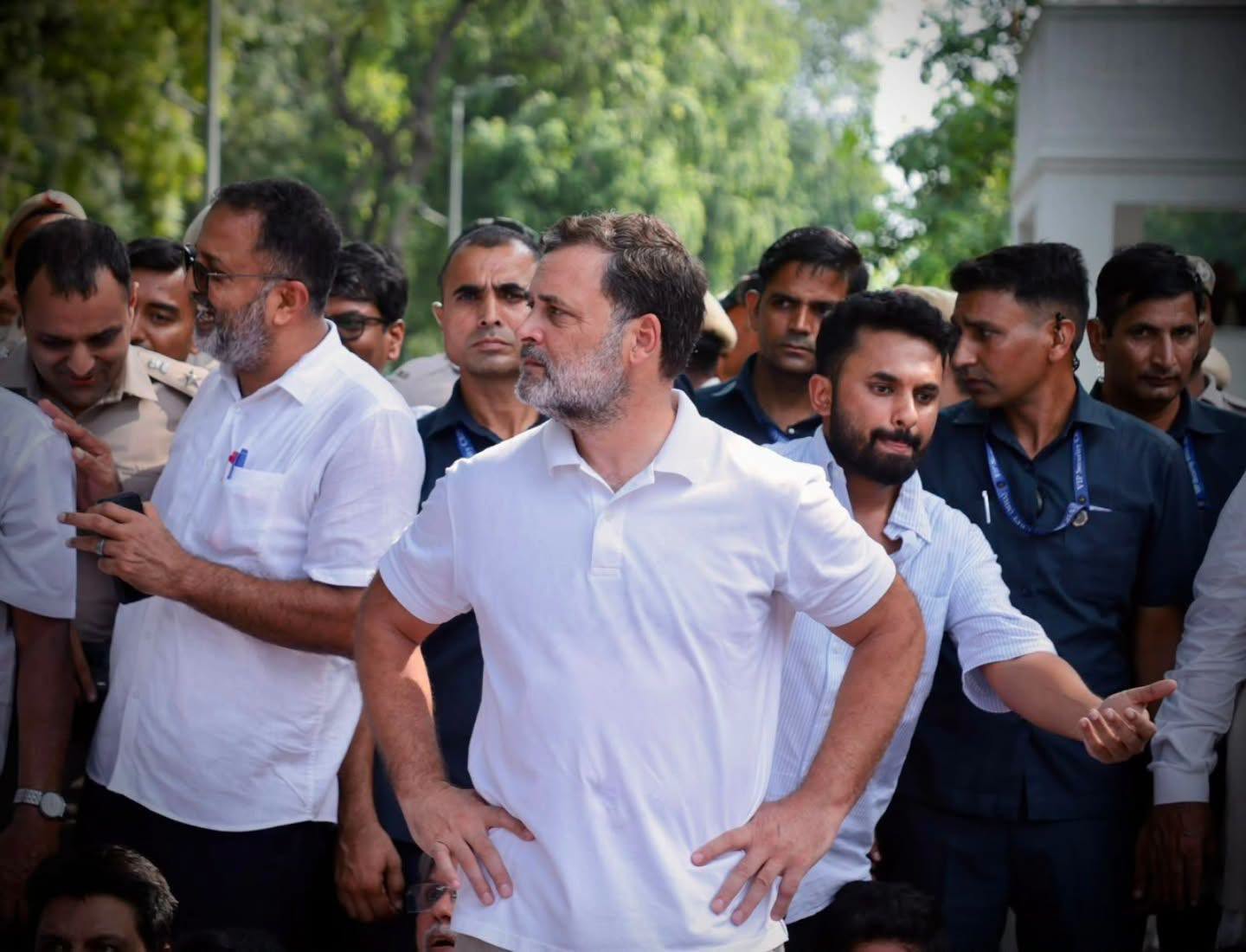
Priyanka Gandhi said whenever a scheme’s name is changed, several administrative alterations are required in offices leading to additional expenditure. | India News

In a move that has sparked heated debate, the Union government has unveiled a new framework to replace the Mahatma Gandhi National Rural Employment Guarantee Act (MGNREGA) with the Viksit Bharat—Guarantee for Rozgar and Ajeevika Mission (Gramin), or 'G RAM G Bill'. The proposed legislation aims to align rural employment policy with the government's vision for a prosperous India by 2047.
The G RAM G Bill seeks to provide a statutory guarantee of 125 days of wage employment per financial year for rural households, while also introducing structural changes, funding patterns, and administrative reforms. Unlike MGNREGA, which was fully funded by the Centre, the new scheme will be implemented as a Centrally Sponsored Scheme with a 60:40 Centre-state fund-sharing ratio.
However, the move has been met with criticism from opposition parties, who question the government's intention behind removing Mahatma Gandhi's name from the scheme. Congress leader Priyanka Gandhi Vadra asked, "What's the point of replacing Gandhi's name if it only leads to additional administrative costs?" Other opposition leaders have also expressed concerns, labeling the move as a "hostile" gesture towards the Gandhi legacy.
Critics also argue that the new scheme will lead to 'cost-shifting' and a loss of rights for workers. CPI(M) MP John Brittas alleged that the government has replaced a legal employment guarantee with a conditional, centrally controlled scheme that disadvantages states and workers. He also pointed out that the new framework will operate under pre-fixed allocations and ceilings, meaning that when funds run out, workers' rights will be compromised.
The G RAM G Bill has been introduced as a key component of the government's vision for a prosperous India by 2047. However, the opposition's concerns and criticisms highlight the need for a nuanced discussion on the implications of this proposed legislation.