Nithari Killings: Supreme Court Acquittal Raises Alarms on India's Justice System
Surendra Koli’s lawyer said the verdict highlighted serious flaws in India’s criminal justice system due to which his client was ‘almost executed twice’. | India News
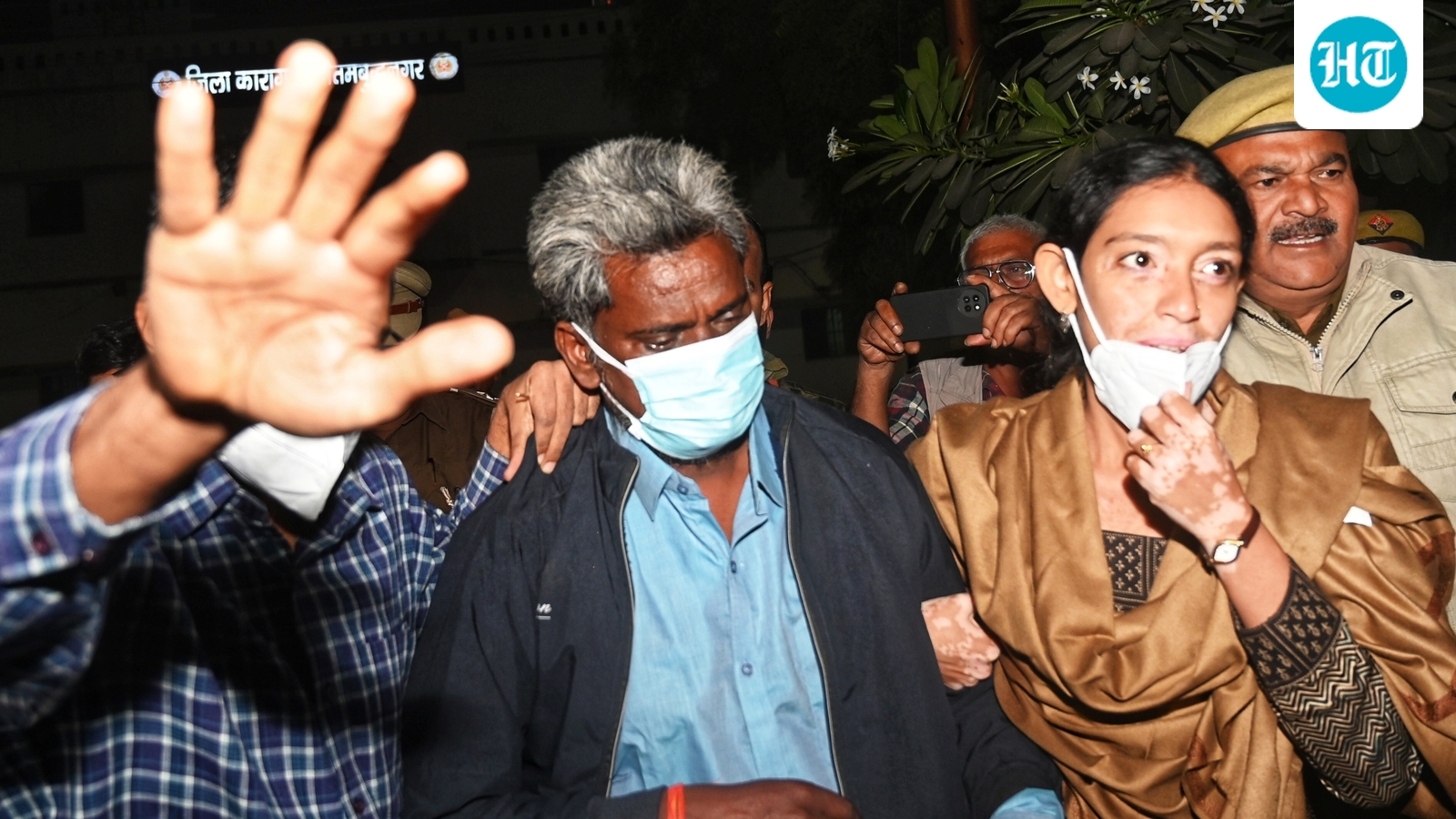
In a shocking turn of events, Surendra Koli, accused in the 2006 Nithari serial killings, has been acquitted by the Supreme Court in the final of 13 cases related to the crime. Koli's lawyer, Payoshi Roy, has slammed the Indian justice system, calling it 'flawed' and highlighting the ease with which a poor man can be wrongly accused and executed.
According to Roy, the case exposed deep fissures in the system, revealing how evidence can be fabricated and a person falsely implicated. Koli was on death row twice, but his acquittal now raises questions about the death penalty in India. The Supreme Court had earlier upheld Koli's conviction in 2011, but his review plea was dismissed in 2014. His death sentence was later commuted to life imprisonment by the Allahabad High Court in 2015.
The Nithari case came to light in 2006 when skeletal remains of eight children were found in a drain behind the house of co-accused Moninder Singh Pandher. Further searches led to the recovery of more skulls, bones, and body parts of poor children and young women who had gone missing from the area. Koli was employed as a domestic help in the area at the time of the killings.
The Supreme Court's verdict, which allowed Koli's curative petition, highlighted the inadequacy of evidence in his conviction, which largely rested on a statement and the recovery of a kitchen knife. The court quashed Koli's conviction, sentence, and fine, and directed his immediate release. This acquittal has sparked a debate on the Indian justice system and its treatment of marginalized and impoverished people.