Nitish Kumar's 'Dus Hazari' Scheme Sparks Election Row: Was it a Vote-Winning Tactic? | India News
Cash transfer scheme, Mukhyamantri Mahila Rojgar Yojana (MMRY), credited ₹10,000 each to over 1 crore women just days before Bihar assembly election 2025 | India News
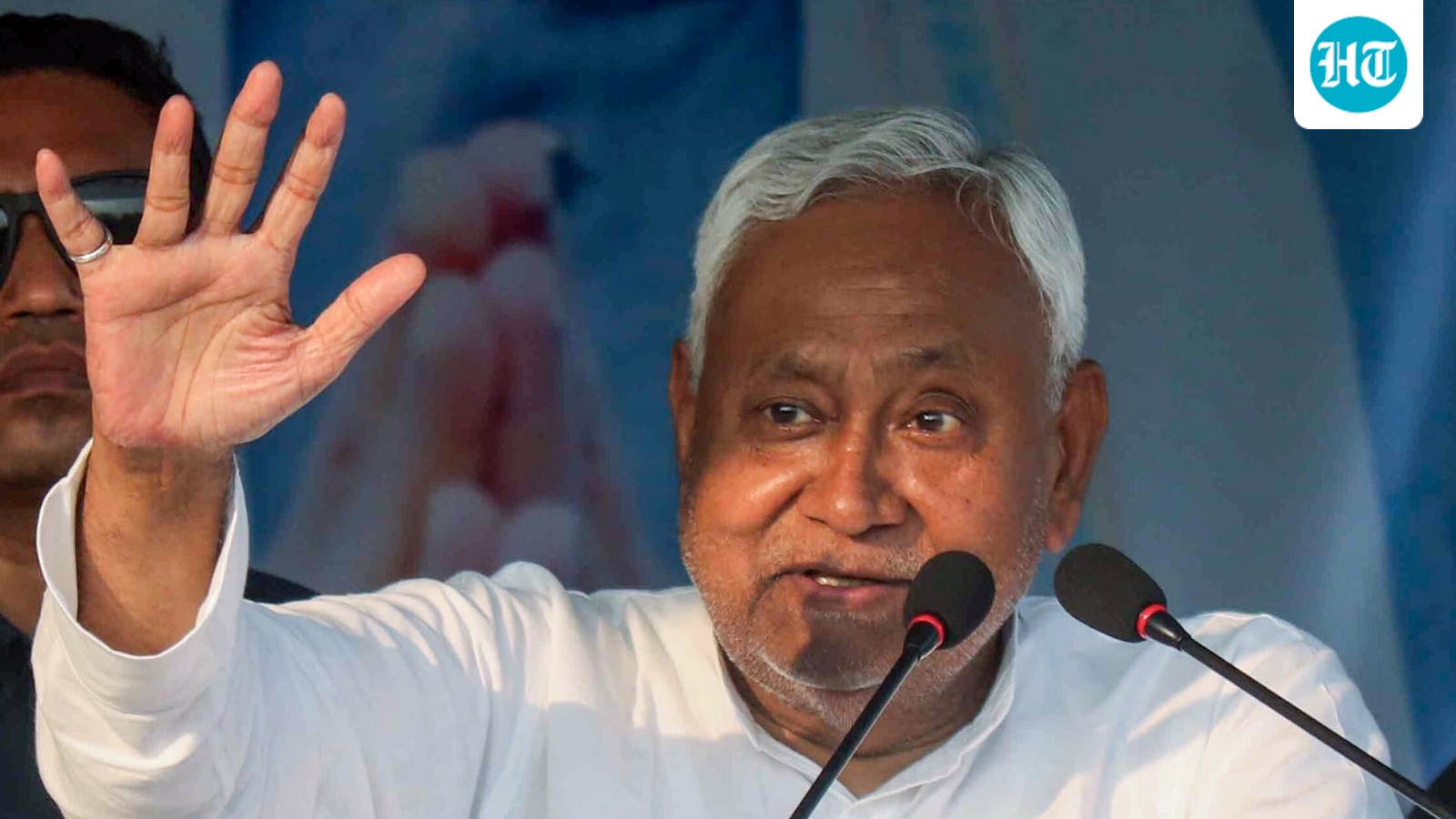
The National Democratic Alliance's (NDA) landslide victory in Bihar has sparked a heated debate over Nitish Kumar's 'dus hazari' (10,000 rupees) scheme for women. The scheme, known as the Mukhyamantri Mahila Rojgar Yojana (MMRY), saw the Bihar government transfer ₹10,000 each to over 1 crore women just days before the election dates were announced.
According to poll data, women's turnout in Bihar was significantly higher than men's, with 71.78% of women casting their votes compared to 62.98% of men. Opposition leaders, including Sharad Pawar of the Nationalist Congress Party (NCP), have accused Nitish Kumar of using the scheme to influence voter behavior.
The Bihar government cleared the MMRY scheme on August 29, aiming to boost women's entrepreneurship by offering up to ₹2.1 lakh in phased assistance for small businesses. However, the timing of the scheme's implementation has raised eyebrows, with the Election Commission of India (ECI) announcing the election schedule on October 6. The Opposition claims that the Bihar government continued to disburse funds under the scheme even after the election dates were announced, potentially violating the Model Code of Conduct.
The ECI has maintained that schemes approved and notified before the Model Code of Conduct cannot be halted unless a new benefit is announced or expanded. However, leaders from the Opposition parties have accused the ECI of turning a blind eye to the Bihar government's actions. The controversy has raised questions about the ECI's role in ensuring a level playing field during elections.
The Bihar cabinet's decision to implement the MMRY scheme has been seen as a calculated move to boost Nitish Kumar's pro-women image. While the scheme aimed to support women's entrepreneurship, the timing of its implementation has sparked concerns about its potential impact on the election outcome. As the debate continues, the Opposition parties are seeking answers from the ECI and the Bihar government about the scheme's implementation and its potential influence on the election results.