Nitish Kumar's Masterclass: How He Secured a Historic Win in Bihar Despite the Odds
An uncharacteristically muted campaign by Kumar was enough for the JD(U) to post its best performance since 2010 | India News
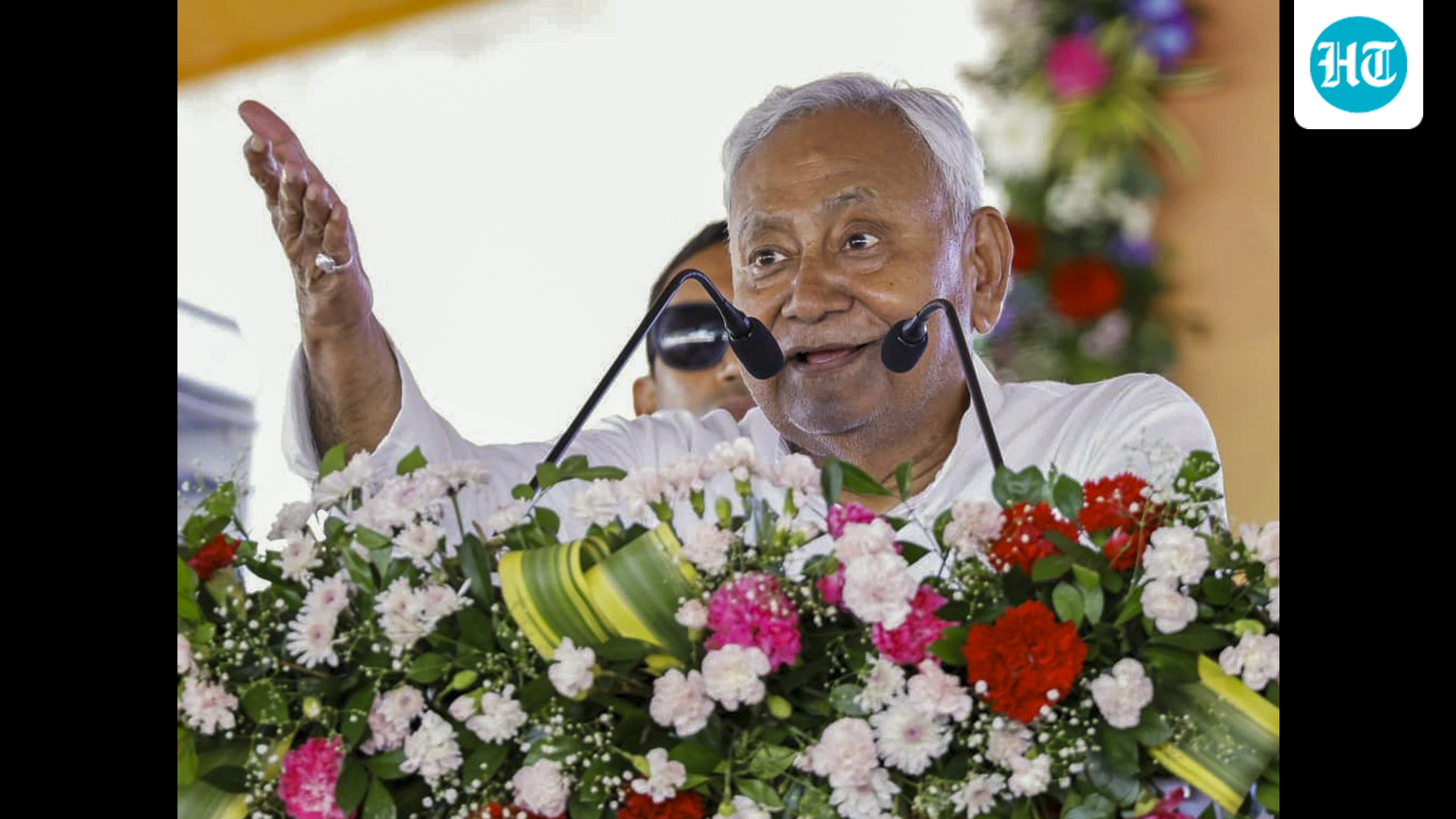
In a remarkable display of political agility, Bihar Chief Minister Nitish Kumar has secured a historic win, defeating his rival Tejashwi Yadav and propelling the National Democratic Alliance (NDA) to its largest ever vote share in the state. Kumar's four-decade-long career, marked by four consecutive terms as chief minister, has been built on his ability to adapt and evolve.
When Kumar first took office in 2000, India was a vastly different country. There were no smartphones, Aadhaar cards, or reliable internet services. Fast forward to 2025, and Kumar has emerged as the most indispensable man in Bihar, a state that remains the only heartland province without a BJP chief minister.
Despite being 75 years old and facing health concerns, Kumar's campaign strategy proved to be a masterclass in politics. He unleashed a barrage of welfare schemes, including ₹10,000 rupees for women, and formalized part-time government employees, especially women. This move consolidated his key vote banks among marginalized castes and women, and helped undercut anti-incumbency.
The NDA, led by Kumar, aggressively turned the election into a referendum on the legacy of Lalu Prasad's 15-year rule, known as Jungle Raj. This strategy paid off, as more than 90% of Bihar's electorate has seen Lalu Prasad's governance, or the lack of it. The Opposition's focus on Kumar's health and allegations that the BJP was out to replace him only fueled public sympathy for the chief minister.
Kumar's stature cast a tall shadow on his once-protege, Tejashwi Yadav, ensuring that his carefully nurtured vote base stayed with him. His mild countenance and disciplined campaign cut a sharp contrast with the RJD's more boisterous show, another strategic mistake by the Opposition.
The results showed that in a direct battle between Sushashan (good governance) Babu vs Yadav Raj, the ordinary person clearly voted for the man who stopped the slide of Bihar down the development ranks, steeled the police, curbed caste gangs, and built roads. As Gopal Mandal, a small shopkeeper from Araria, said, 'Could we have ever imagined that mud tracks can turn to concrete? Only Nitish ji could make that happen.'