NZ PM Backs India FTA Despite Foreign Minister's Reservations
The New Zealand PM Christopher Luxon framed the agreement as part of his government’s broader agenda, saying, “Fixing the basics. building the future.” | India News

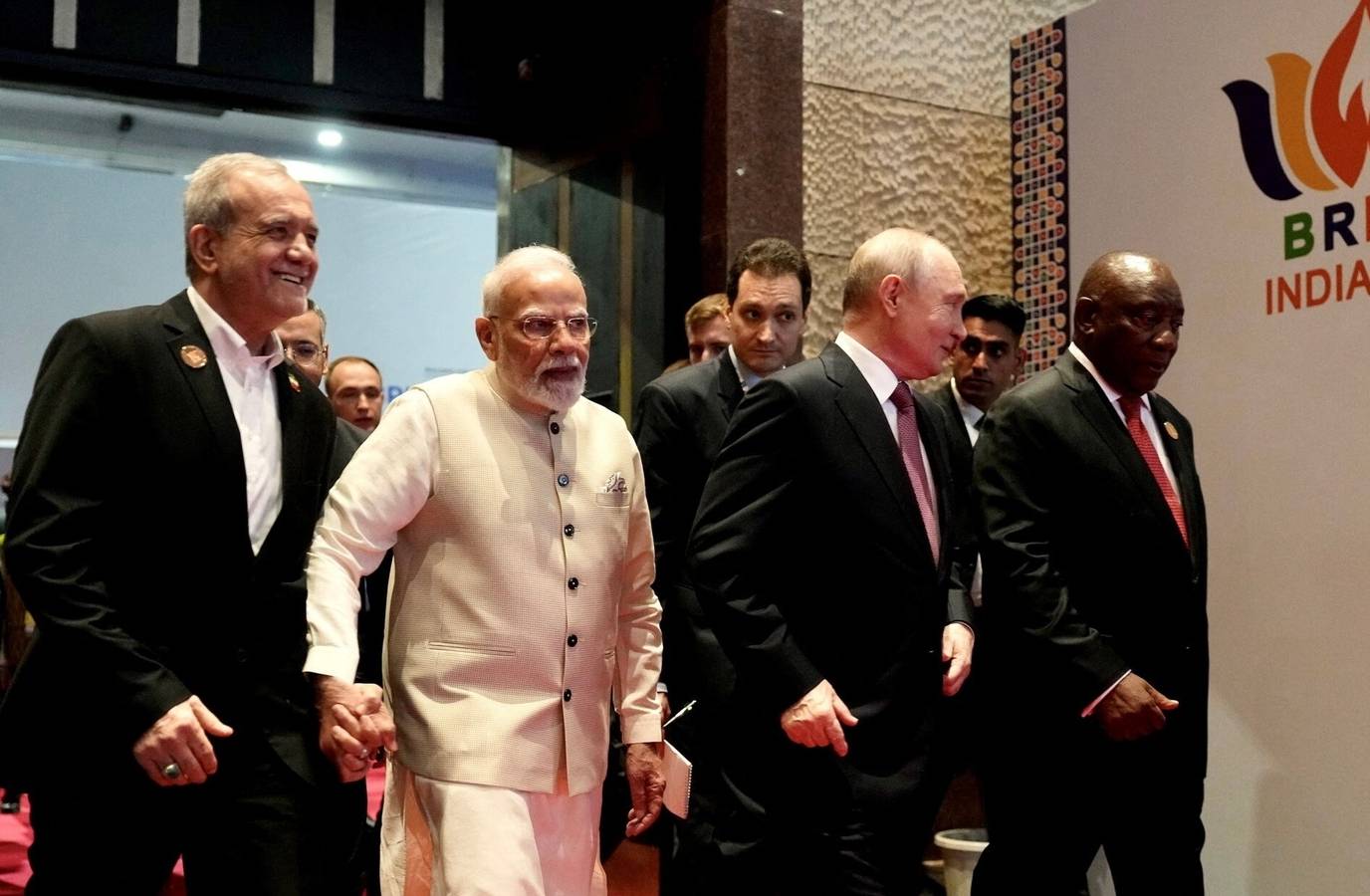
New Zealand Prime Minister Christopher Luxon has expressed enthusiasm for the recently signed Free Trade Agreement (FTA) with India, hailing it as a major achievement for his government. The deal, announced after talks between Luxon and Indian Prime Minister Narendra Modi, aims to boost bilateral trade, create jobs, and increase exports to the Indian market.
The FTA is expected to double trade between the two countries within five years and attract investments worth $20 billion in India over the next 15 years. However, New Zealand's Foreign Minister Winston Peters has expressed strong reservations about the deal, calling it 'neither free nor fair.' Peters, who leads the New Zealand First party, has criticized the agreement for giving away too much without securing adequate benefits for New Zealand.
A major point of contention for Peters is the treatment of New Zealand's dairy industry. He argues that while the country has fully opened its market to India, the move was not matched by reduced tariff barriers on Indian imports of key dairy products. This, he claims, would be 'impossible to defend to our rural communities.'
Peters has also raised concerns about the agreement's potential impact on the domestic labor market. He claims that the deal could lead to increased migration from India, which could exacerbate a tight labor market in New Zealand. The foreign minister has called for a more balanced approach to trade negotiations, prioritizing substance over speed.
Despite these reservations, Luxon remains optimistic about the FTA's potential benefits. He believes that the deal will open up new opportunities for New Zealand businesses and create jobs for New Zealanders. The agreement is part of the government's broader agenda to 'fix the basics and build the future,' Luxon said.
The FTA has been in the works since March, with negotiations between the two countries making significant progress. The deal is expected to have a positive impact on trade between India and New Zealand, with bilateral trade currently standing at $2.07 billion in 2024.