Panic and Desperation Led to Red Fort Blast, Officials Reveal Amid Crackdown on White-Collar Terror Module
Raids across locations in NCR and Pulwama, recovery of significant quantities of explosives, are believed to have prompted the suspect to act hastily | Latest News Delhi
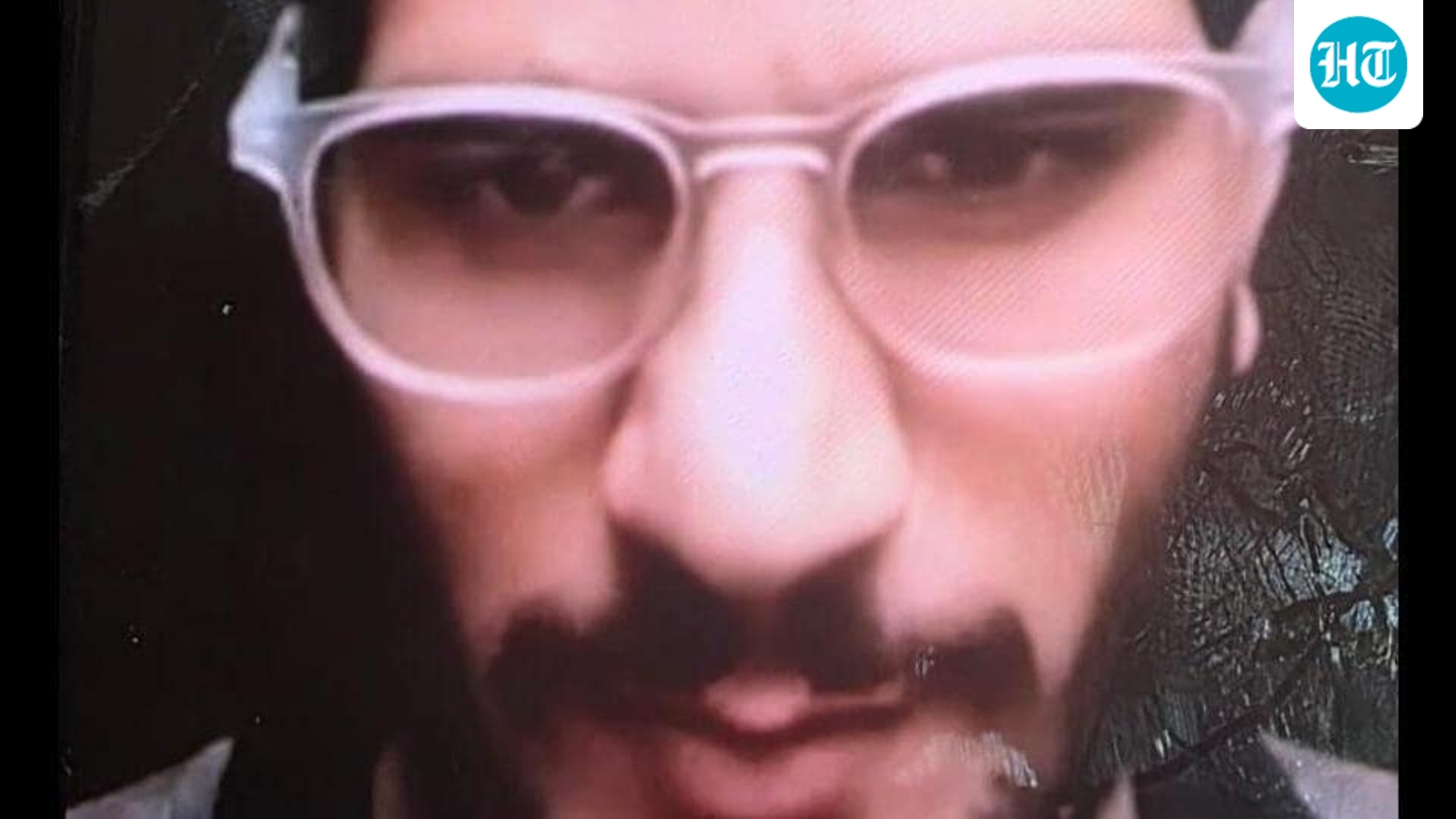
A suspected suicide bombing near the Red Fort in Delhi on Monday has been linked to a panic-stricken reaction by the attacker, officials said. Dr Umar Nabi, a doctor from Pulwama, drove a Hyundai i20 that exploded, killing at least 10 people, after a multi-state crackdown on a Pakistan-backed terror module.
The crackdown, which involved raids in Faridabad, Jammu and Kashmir, and Delhi-NCR, led to the recovery of nearly 3,000kg of explosives, detonators, and other bomb-making material. The module is suspected to be linked to the proscribed Jaish-e-Mohammad (JeM) and Ansar Ghazwat-ul-Hind (AGuH).
According to officials, the chain of events began with the discovery of JeM posters in Srinagar on October 19. Subsequent arrests and raids led to the recovery of explosives, arms, and other incriminating evidence. The investigation suggests that Dr Umar Nabi, who was part of the network, acted hastily under mounting pressure.
A massive cache of explosives was recovered from the residence of Hafeez Mohammad Ishtiyaq, the Imam of Al-Falah Mosque, on November 10. Forensic teams have established that the explosives used in the Red Fort blast matched the cache seized in Faridabad.
While investigators suspect that Umar may have triggered the explosion intentionally or by accident, they believe that it was part of the same chain of incidents triggered by the crackdown. The operation is said to have prevented a larger terror conspiracy, with plans for coordinated strikes across India.
The National Investigation Agency (NIA) has taken over the probe into the module's funding, foreign links, and operational networks. The case highlights the growing threat of white-collar terror modules in India and the need for coordinated efforts to counter them.