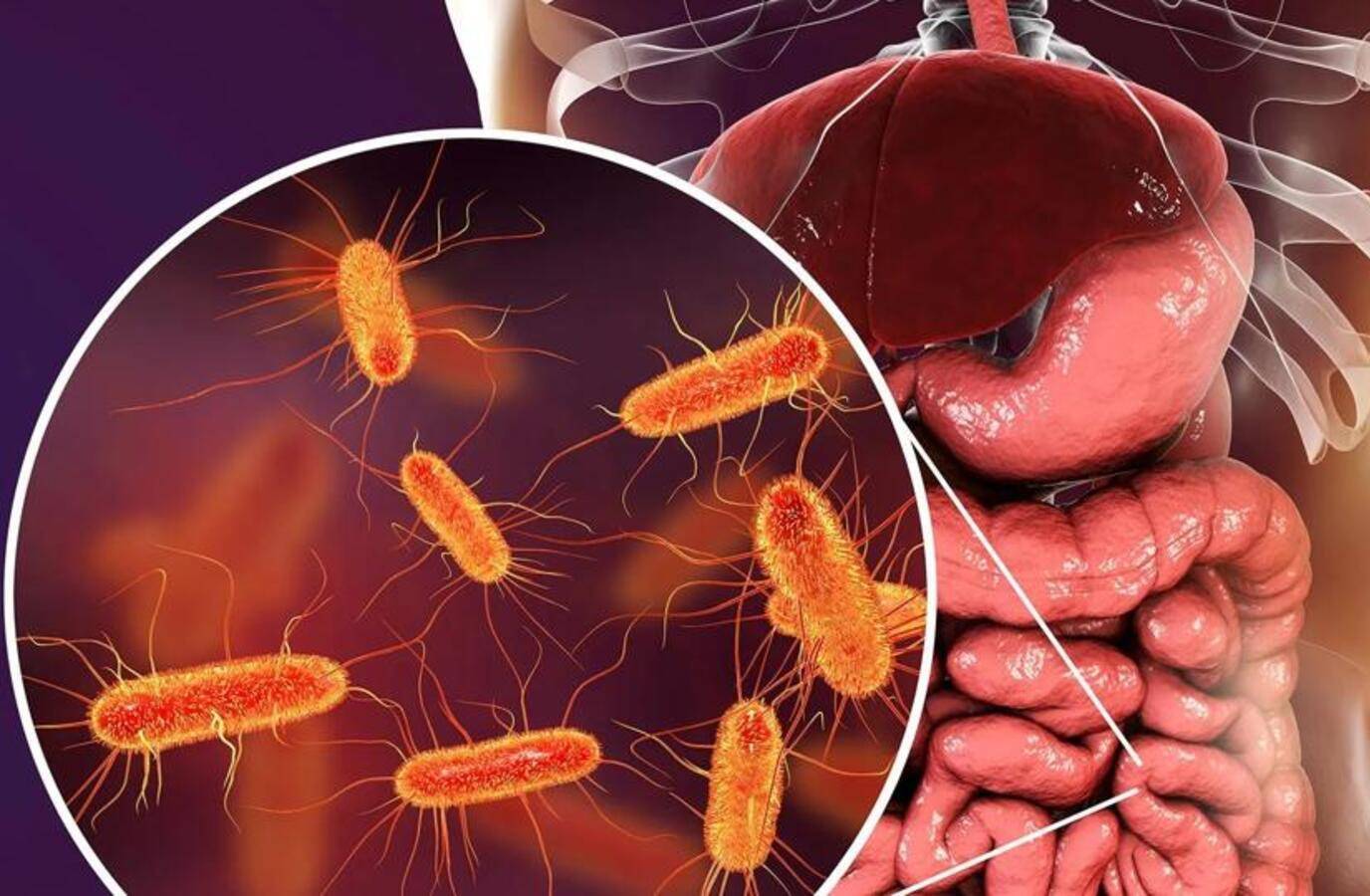
Imagine picking up a discarded plastic water bottle, feeding it to a vat of bacteria, and harvesting a frontline medication for Parkinson’s disease. A recent paper published in Nature Sustainability reports something along those lines: engineered Escherichia coli bacteria converting polyethylene terephthalate (PET) plastic waste into levodopa, or L-DOPA, the gold-standard drug for managing Parkinson’s.
The work, led by Stephen Wallace at the University of Edinburgh, represents the next phase in a research program that has escalated both the ambition and the value of what engineered microbes can extract from plastic trash. In 2021, the same lab converted PET into vanillin, the compound responsible for vanilla’s distinctive flavor, achieving 79% conversion. In 2023, they progressed to adipic acid, a key precursor for nylon, drugs, and fragrances. Last year came paracetamol, produced via a new-to-nature chemical reaction running inside living bacterial cells, with around 90% yield under ambient conditions.
The L-DOPA paper is the most ambitious step yet. PET is first broken down into its building block, terephthalic acid. This is fed to engineered bacteria carrying genes borrowed from three different microbes that, working in relay, achieve the final transformation into L-DOPA. A key challenge was that an intermediate compound hampered L-DOPA production. The team solved this elegantly by splitting the work between two cooperating bacterial strains, each handling half the conversion.
The optimized system achieved up to 84% conversion from PET-derived feedstock, including industrial waste streams. From a depolymerized PET bottle, the team isolated 193 milligrams of L-DOPA—roughly within the range of multiple oral doses, depending on formulation and patient regimen. The team also paired the process with algal CO2 capture in a proof-of-principle step meant to reduce net emissions.