Red Fort Bomb Plot Unraveled: India's Intelligence Agencies Face Challenging Task
The Red Fort bombing has made it imperative for security agencies to focus their efforts on unearthing and uprooting terror modules all over the country. | India News
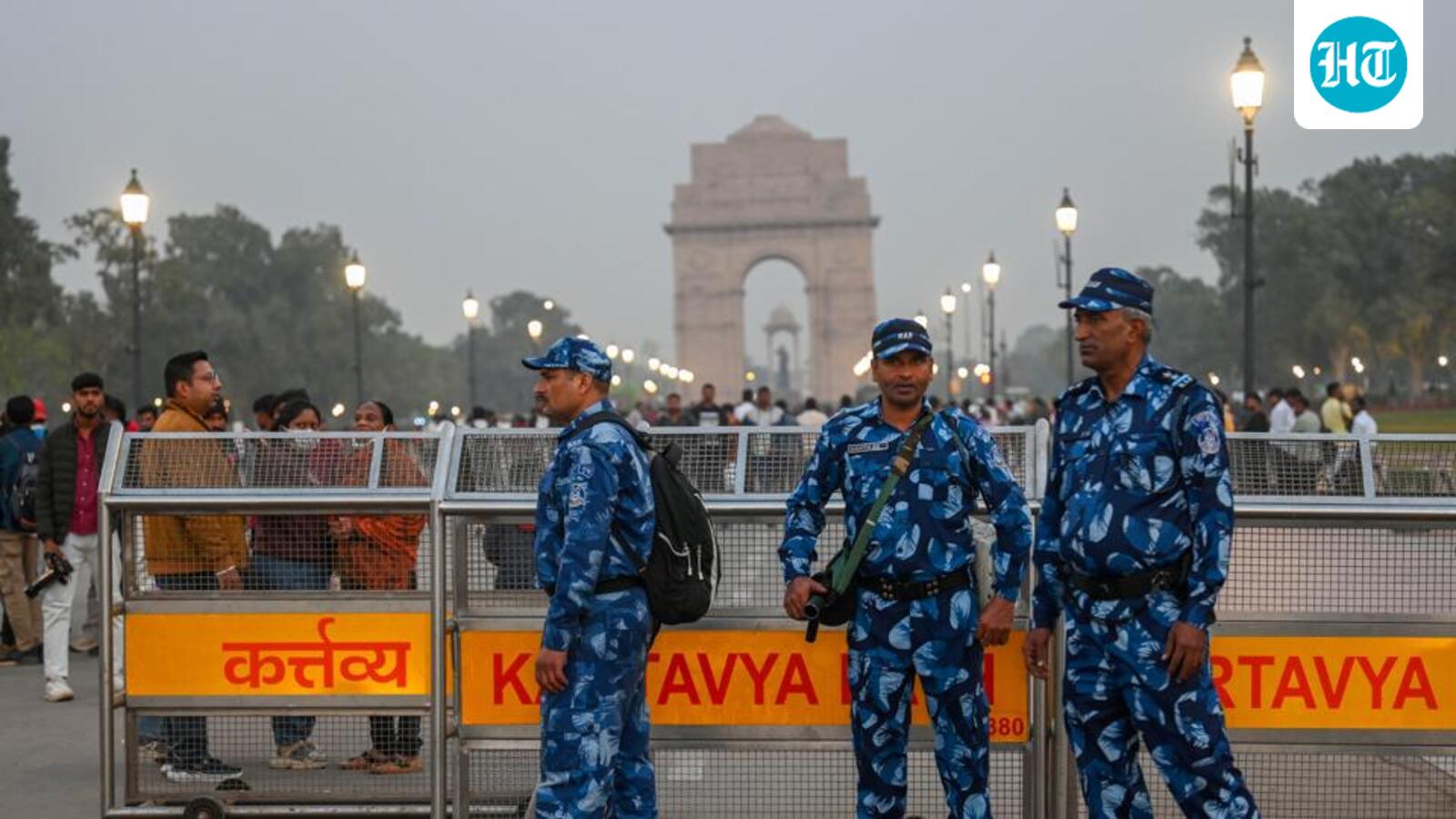
Indian intelligence agencies are grappling with a complex case of terrorism after the Red Fort bombing, which was planned for at least three years. The plot unfolded through Telegram messages between Dr Umar un Nabi, a self-radicalized Islamist, and his accomplices, including doctors Muzamil Shakeel and Adeel Ahmad Rather. They were in touch with a man named Abu Aqasha and met two Islamists in Turkey in 2022.
According to sources, the three doctors were planning to travel to Afghanistan to support pan-Islamic causes. However, their identities remain unknown, as the names they used are generic. Intelligence agencies are working to identify the individuals behind these pseudonyms.
The Red Fort bombing has raised concerns about the potential for homegrown terror modules in India. These groups often lack an electronic footprint, making them difficult to detect. The recent arrest of a Hyderabad medical representative, who attempted to cook up Ricin under Pakistani instructions, highlights the challenge faced by Indian agencies in uncovering such plots.
The government and enforcement agencies have been countering Islamic radicalization through fact-checking and de-radicalization efforts. However, the Red Fort bombing has underlined the need for Indian security agencies to focus on uprooting terror modules across the country. While the Kashmir valley remains a priority due to decades of Islamic radicalization, the hinterland also requires attention.
As India navigates this complex security landscape, officials are emphasizing the importance of identifying and addressing the root causes of radicalization, including social media propaganda and the sense of Muslim victimhood. Only through a concerted effort can India hope to prevent similar attacks and ensure national security.