SC Breaks New Ground: No Author Named in Landmark Quota Ruling
The Supreme Court's Constitution bench ruled on judicial officer quotas without assigning authorship, marking a rare departure from tradition since 2019. | India News
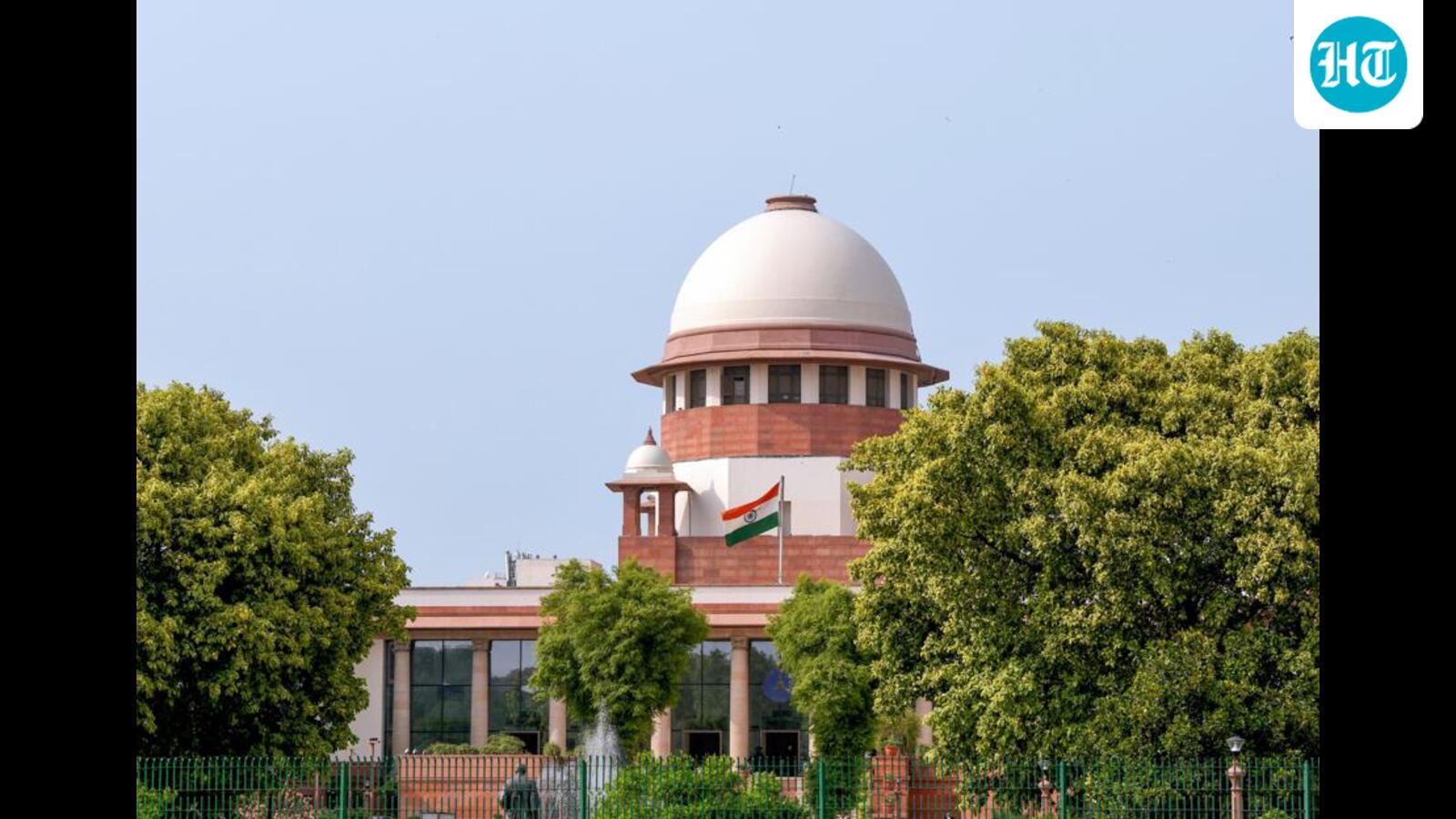
In a departure from tradition, the Supreme Court's Constitution bench has refused to attribute authorship to its recent verdict on quotas for entry-level judicial officers. This move marks the first time in four years that the top court has chosen not to identify a specific judge as the author. The five-judge bench, led by Chief Justice of India Bhushan R Gavai, delivered the verdict in a unanimous decision, emphasizing the collective effort of the judges involved.
The court's decision was seen as a nod to the collaborative spirit among the judges, with CJI Gavai expressing gratitude to his fellow judges for their contributions to the judgment. The move also highlights the court's willingness to adapt and evolve its conventions in the pursuit of justice.
This rare decision comes on the heels of the 2019 Ayodhya verdict, where a similar unanimous decision was made to attribute the judgment to the court as a whole, rather than individual judges. The Ayodhya verdict, which ran into 1,045 pages, finally settled a century-long dispute, paving the way for a Ram temple at the contested site and directing the allocation of a separate plot for a mosque.
The Supreme Court's decision to forego authorship in the quota ruling underscores the importance of collective decision-making and the pursuit of unity in the pursuit of justice.