SC Rejects Drastic Measures to Curb Pollution, Calls for Long-Term Strategy
The bench said the court could not paralyse economic activity or deprive hundreds of thousands of migrant workers of their daily wages, even as air quality is expected to worsen in the coming days | India News
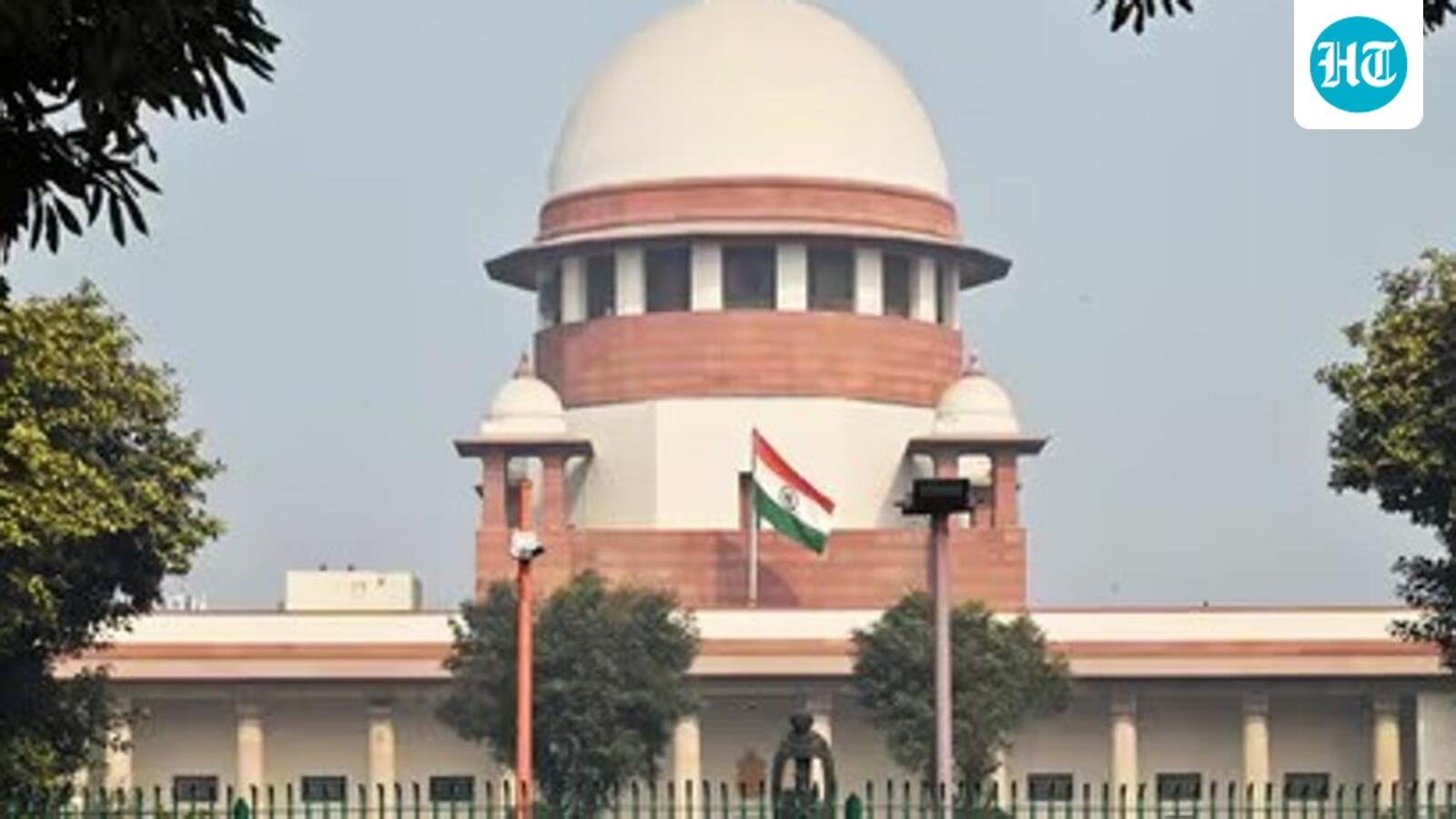
The Supreme Court on Monday turned down a proposal to impose sweeping pollution-control measures in Delhi-NCR, including a year-round construction ban and curbs on vehicular movement. The court, led by Chief Justice of India Bhushan R Gavai, emphasized the need for a balance between environmental protection and economic activity.
The court expressed concerns that imposing drastic measures could deprive hundreds of thousands of migrant workers of their daily wages. The bench also underscored that the judiciary lacks the technical expertise to dictate alternative pollution-control measures.
Air quality in Delhi-NCR has worsened in recent days, with the city's air quality index (AQI) standing at 359 on Monday, firmly in the 'very poor' zone. The court directed the Centre to file a note detailing the nature and quality of Delhi's air quality monitoring systems.
Experts have warned that delayed harvesting and fewer farm fires this season may be partially cushioning the impact of pollution. However, the city has already logged three 'severe' days and 10 'very poor' days in the first half of November.
The court directed the chief secretaries of Punjab and Haryana to ensure compliance with the Commission for Air Quality Management's (CAQM) directives. The matter will be heard again on November 19. The court also emphasized the need for a coordinated long-term strategy to provide lasting relief from pollution.
The Supreme Court's decision comes amid a fresh slide in the city's air quality, with forecasts predicting a slide back into the 'severe' zone between November 17 and 19. The court's ruling highlights the complex challenges of addressing pollution in the national capital, which requires a multi-faceted approach involving various stakeholders.