
SC Slams Insolvency Shield for Developers, Upholds Right to Dignified Housing
SC emphasized that insolvency protection cannot hinder redevelopment projects, affirming residents' rights to safe housing over developer defaults. | India News
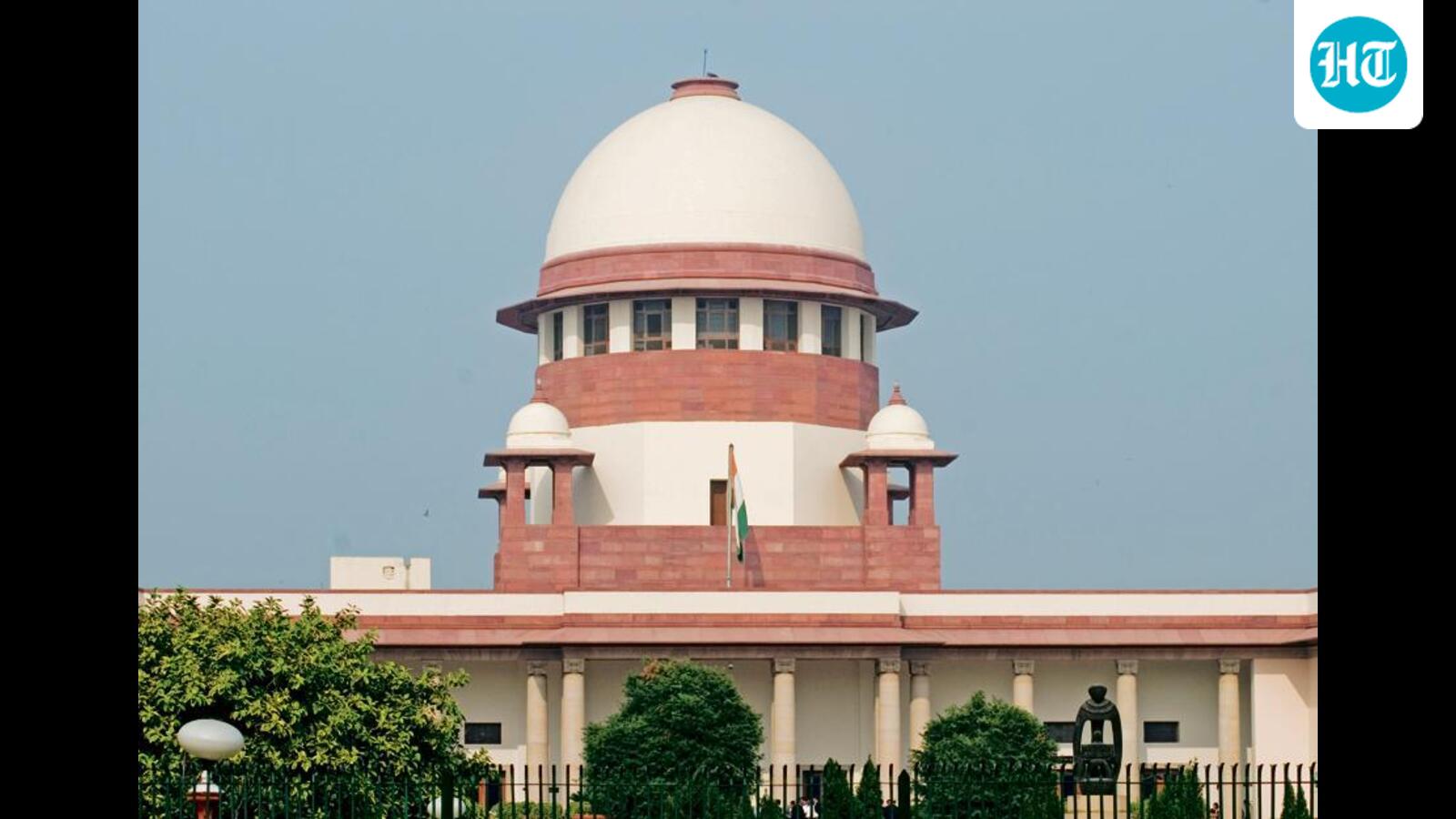
In a landmark ruling, the Supreme Court has underlined that insolvency protection cannot be used to deny citizens their fundamental right to live in safe and habitable conditions. The court stressed that the Insolvency and Bankruptcy Code (IBC) was never intended to shield developers who default on their obligations or abandon critical projects of public significance.
The SC bench, comprising justices JB Pardiwala and R Mahadevan, dismissed an appeal by AA Estates Private Limited, which was undergoing Corporate Insolvency Resolution Process (CIRP), challenging a Bombay High Court judgment that cleared the way for the redevelopment of a dilapidated housing society in Mumbai.
The high court had permitted the society's plea and directed authorities to process redevelopment permissions in favour of the newly appointed developer, Tristar Development LLP, after years of delay and alleged obstruction by AA Estates and its Resolution Professional. The top court called the redevelopment of unsafe habitations a "human-centered welfare initiative" rather than a mere commercial transaction.
"The law must balance commercial rights with human realities," the bench noted, adding that the IBC was designed to revive viable entities, not to protect developers who display no bona fide intent to fulfill their obligations. The court issued strong remarks on the human consequences of stalled redevelopment, saying that insolvency proceedings cannot become a legal device to indefinitely stall redevelopment or obstruct the legitimate rights of slum dwellers and cooperative housing societies.
The bench further noted that the IBC was never designed to serve as a refuge for corporate debtors who display no intention to fulfill contractual or statutory obligations. In this case, the Kher Nagar Sukhsadan Society had entered into a redevelopment agreement with AA Estates in 2005, followed by a supplemental agreement in 2014. However, despite prolonged inaction, the society terminated the agreement in 2019 and appointed Tristar Development LLP as the new developer.
The Supreme Court agreed with the high court that AA Estates had failed to fulfill its obligations and thus could not claim vested rights over redevelopment or obstruct permissions. The bench upheld the direction to authorities to process pending approvals within two months, formally recognizing Tristar as the developer and dismissing objections raised by AA Estates and its RP.
In a significant ruling, the SC has upheld the right to dignified housing, emphasizing that urban redevelopment projects seek to restore dignity, safety, and belonging to citizens. The court declared that the law must ensure that economic revival does not eclipse the constitutional promise of dignified living.