SC to Delve into Constitutional Crisis: Will Courts Set Timelines for Governors and President?
The Supreme Court will on Thursday deliver its advisory opinion on a rare presidential reference that asks whether constitutional courts can prescribe timelines for the President and governors to act on state bills | India News
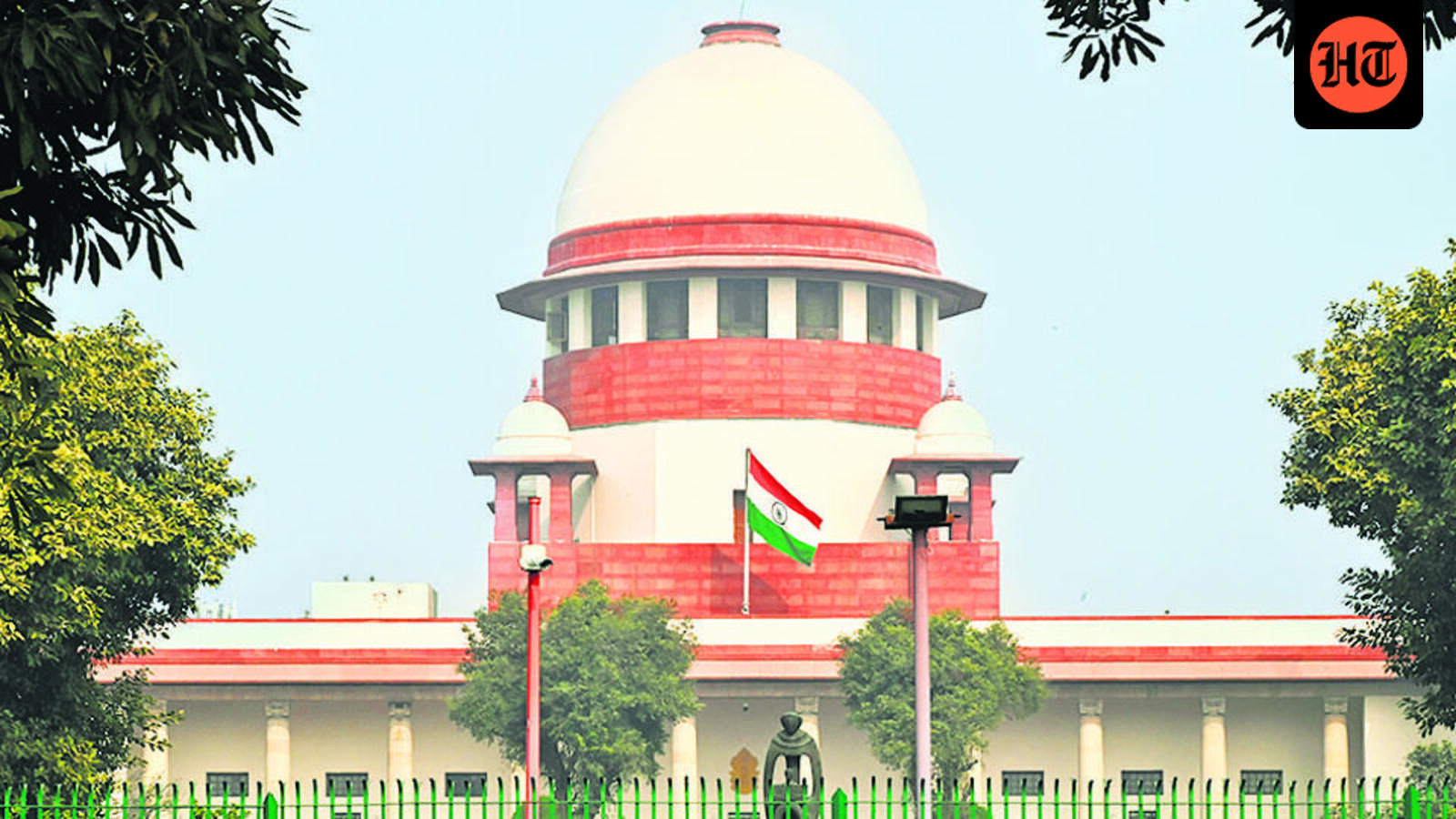
The Supreme Court is set to deliver its advisory opinion today on a landmark presidential reference, posing a critical question: Can constitutional courts impose timelines on the President and governors to act on state bills? This inquiry has far-reaching implications for the separation of powers, federalism, and the checks and balances within the Indian Constitution. The reference was made by President Droupadi Murmu in May, seeking clarity on whether the Supreme Court can set binding deadlines for gubernatorial or presidential assent. The issue arose after a two-judge bench's ruling in April, which fixed deadlines for governors and the President to act on re-enacted bills. The constitution bench, comprising Chief Justice Bhushan R Gavai and justices Surya Kant, Vikram Nath, PS Narasimha, and Atul S Chandurkar, has been deliberating on this issue for over two months. The bench will now pronounce its view, which is expected to shape constitutional interpretation and Centre-state relations. The reference places before the Court 14 significant questions, including whether silence in Articles 200 and 201 can be judicially filled by imposing procedural timelines and whether assent-related functions are reviewable. While Solicitor General Tushar Mehta argued that judicially crafted timelines could provoke constitutional crises, several states, including West Bengal, Tamil Nadu, Punjab, Telangana, and Karnataka, opposed the Union's stance, emphasizing that governors' prolonged inaction has concrete consequences for governance and democratic accountability. The Supreme Court's advisory opinion, although non-binding, historically carries significant weight in shaping constitutional interpretation and political conduct.