Supreme Court Balances Local Governance and Reservation Quota in Maharashtra Polls
The top court clarified that elections to more than 280 local bodies in Maharashtra will go on as scheduled but election to 57 seats, where the combined reservation of scheduled castes, scheduled tribes and backward classes exceeds 50%, shall be subject to final orders to be passed by the court | India News
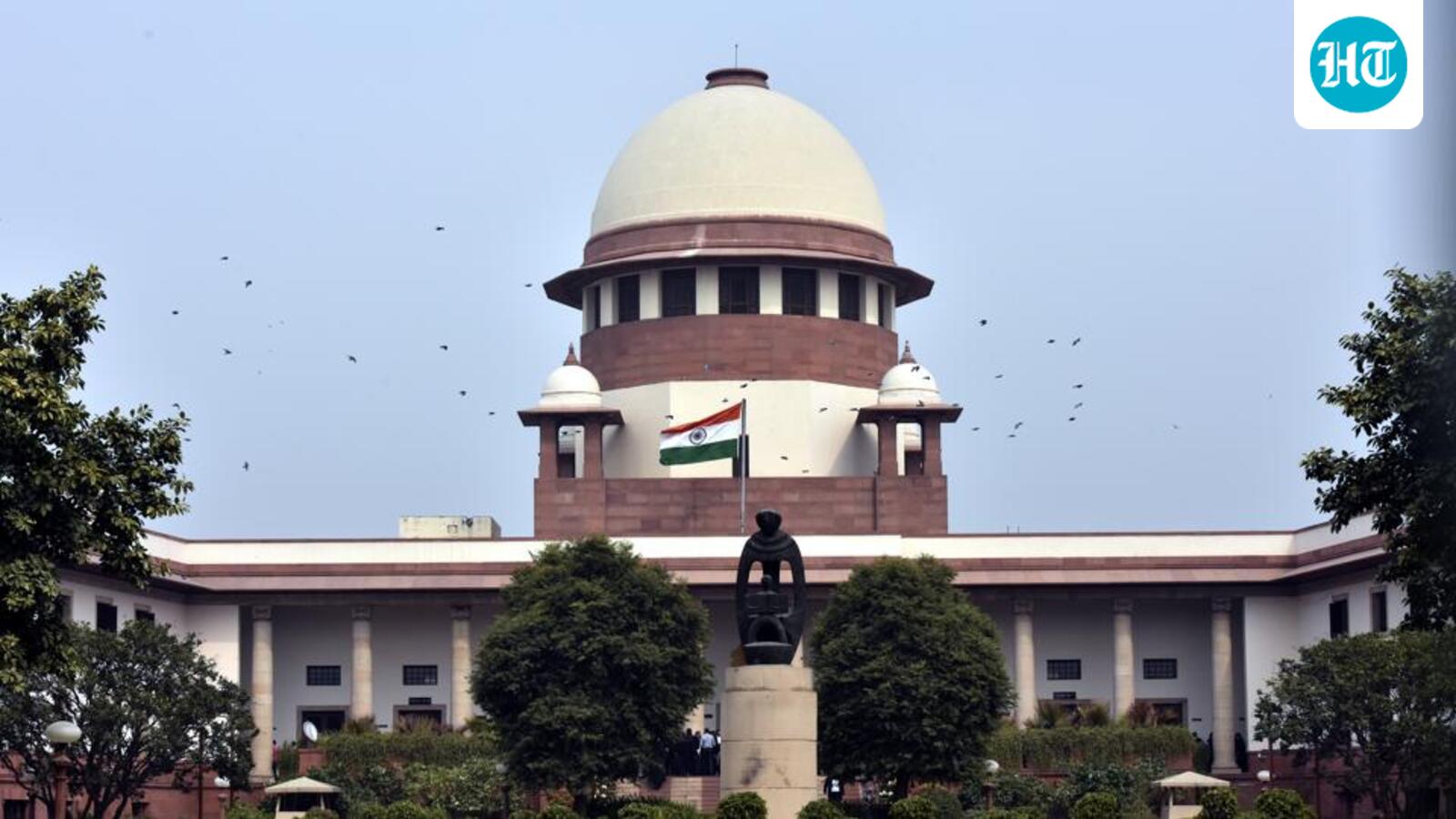
The Supreme Court has made a significant ruling in the ongoing local body polls in Maharashtra, allowing elections to proceed in 280 Municipal Councils and Nagar Panchayats on December 2, subject to certain conditions. The court has directed elections to be held in areas where the combined reservation of Scheduled Castes, Scheduled Tribes, and Backward Classes does not exceed 50%. However, in areas where the quota exceeds this threshold, the results will be subject to the court's final orders.
In a move to strike a balance between enforcing its earlier orders and ensuring local governance institutions function, the court has identified two categories of local bodies. The first category includes 246 Municipal Councils and 42 Nagar Panchayats where elections are already notified, and the second category includes 336 Panchayat Samitis, 32 Zila Parishads, and 29 Municipal Corporations where elections are yet to be notified.
The court has ordered elections to proceed in the second category, subject to the condition that the reservation quota does not exceed 50%. However, in areas where the quota has been breached, the court has restrained the state election body from conducting elections.
The court's ruling comes in response to a batch of petitions seeking implementation of its earlier orders to complete local body polls in the state by January 31. The petitions alleged that the state was violating the court's triple test laid down in a 2021 judgment, which requires that total reservation should not exceed 50% across any seats in local bodies.
The court has appointed advocates Siddharth Dharmadhikari and Amol Karande as nodal counsels to compile necessary documents by January 9, ahead of the January hearing. The local body elections in Maharashtra have been pending due to the Supreme Court's triple test for rolling out reservation for Other Backward Classes (OBCs) in these polls.
The court's ruling has sparked debate on the issue of OBC reservation, with some arguing that the Banthia Commission's report has given over-representation to OBCs, while others claim that it has under-represented them. The court has admitted that it is yet to go through the report and will take up the matter on January 21, assigning it to a three-judge bench.