
Supreme Court Blocks Parliament's Attempt to Override Tribunal Law, Upholds Judicial Independence
Reviving a long-pending institutional reform, the court also directed the Union government to establish a National Tribunals Commission within four months as “an essential structural safeguard” to ensure transparent appointments, uniform administration and independence from executive influence | India News
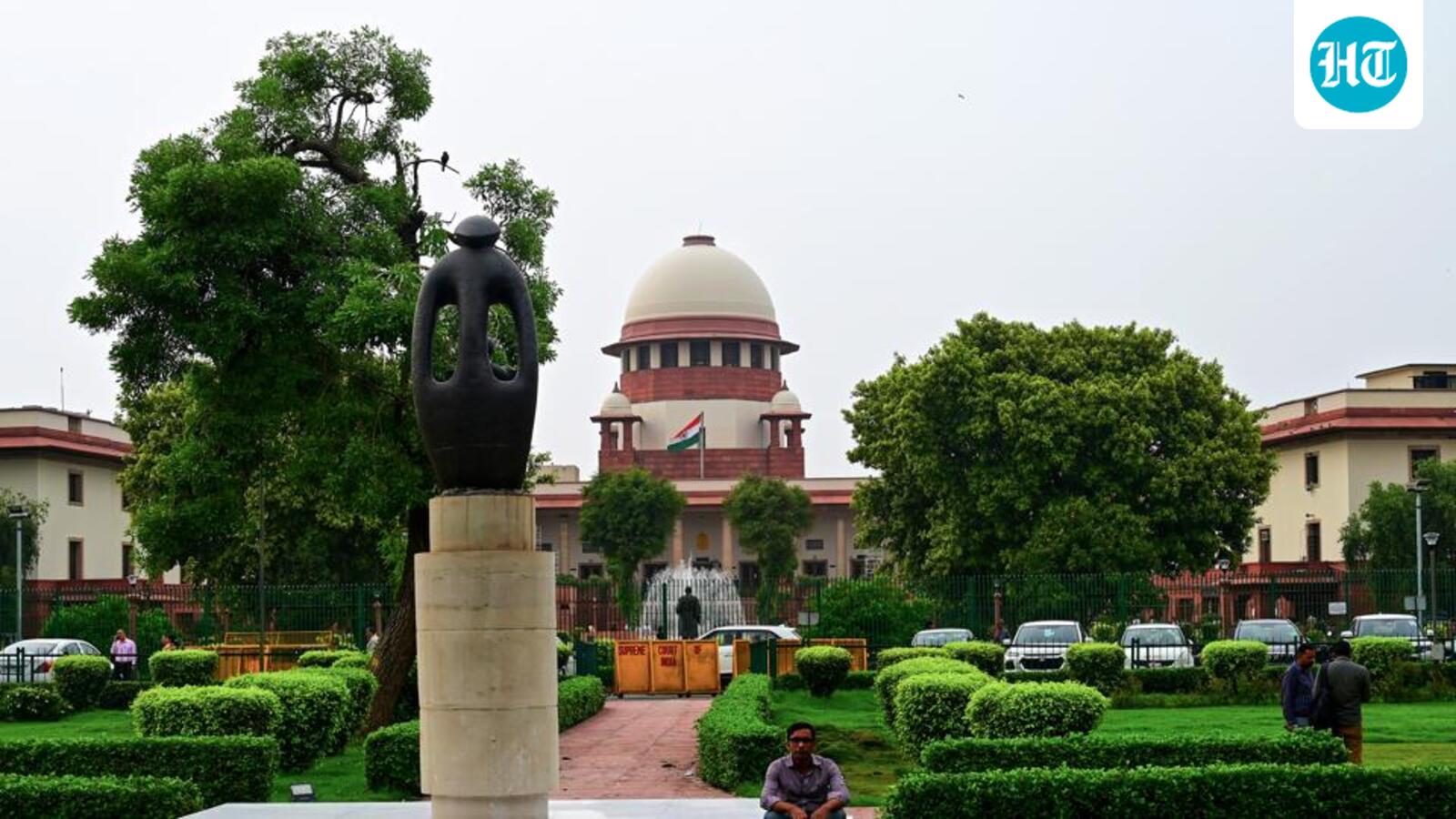
In a landmark judgment, the Supreme Court has struck down key provisions of the Tribunal Reforms Act, 2021, ruling that Parliament's attempt to revive them was an unconstitutional 'legislative override'. The court held that the Act merely repackaged earlier invalid provisions without addressing the underlying constitutional defects.
The bench, comprising Chief Justice of India Bhushan R Gavai and Justice K Vinod Chandran, emphasized the importance of judicial independence and the separation of powers. They noted that India's constitutional framework does not recognize parliamentary supremacy in the British sense, but rather constitutional supremacy.
The court directed the Union government to establish a National Tribunals Commission within four months to ensure transparent appointments, uniform administration, and independence from executive influence. The bench also ordered that members of the Income Tax Appellate Tribunal (ITAT) appointed under the 2021 order would be governed by the pre-2021 statute and rules.
The judgment highlighted the dangers of legislative attempts to nullify or circumvent binding judgments, warning that such actions strike at the core of the constitutional arrangement. The court also expressed disapproval of the Union government's repeated refusal to implement judicial directions safeguarding tribunal independence.
The ruling is a significant victory for judicial independence and the rule of law, upholding the principles laid down in the Madras Bar Association (MBA) cases. The court's 137-page judgment underscored that stability of tenure is integral to judicial independence and cannot be subjected to arbitrary legislative changes.
The present verdict comes nearly four years after the court began hearing the latest round of petitions challenging the Tribunal Reforms Act, 2021. The judgment has significant implications for the tribunal system in India, and the court's emphasis on constitutional supremacy and judicial independence is likely to have far-reaching consequences for the country's governance and administration.