Supreme Court Challenges Bombay High Court Ruling on Sexual Harassment in Legal Profession | India
The Supreme Court on Friday sought the response of the Centre and Bar Council of India (BCI) on a petition filed by a women lawyers’ body challenging a Bombay high court decision which held that women advocates cannot approach state bar councils with sexual harassment complaints | India News
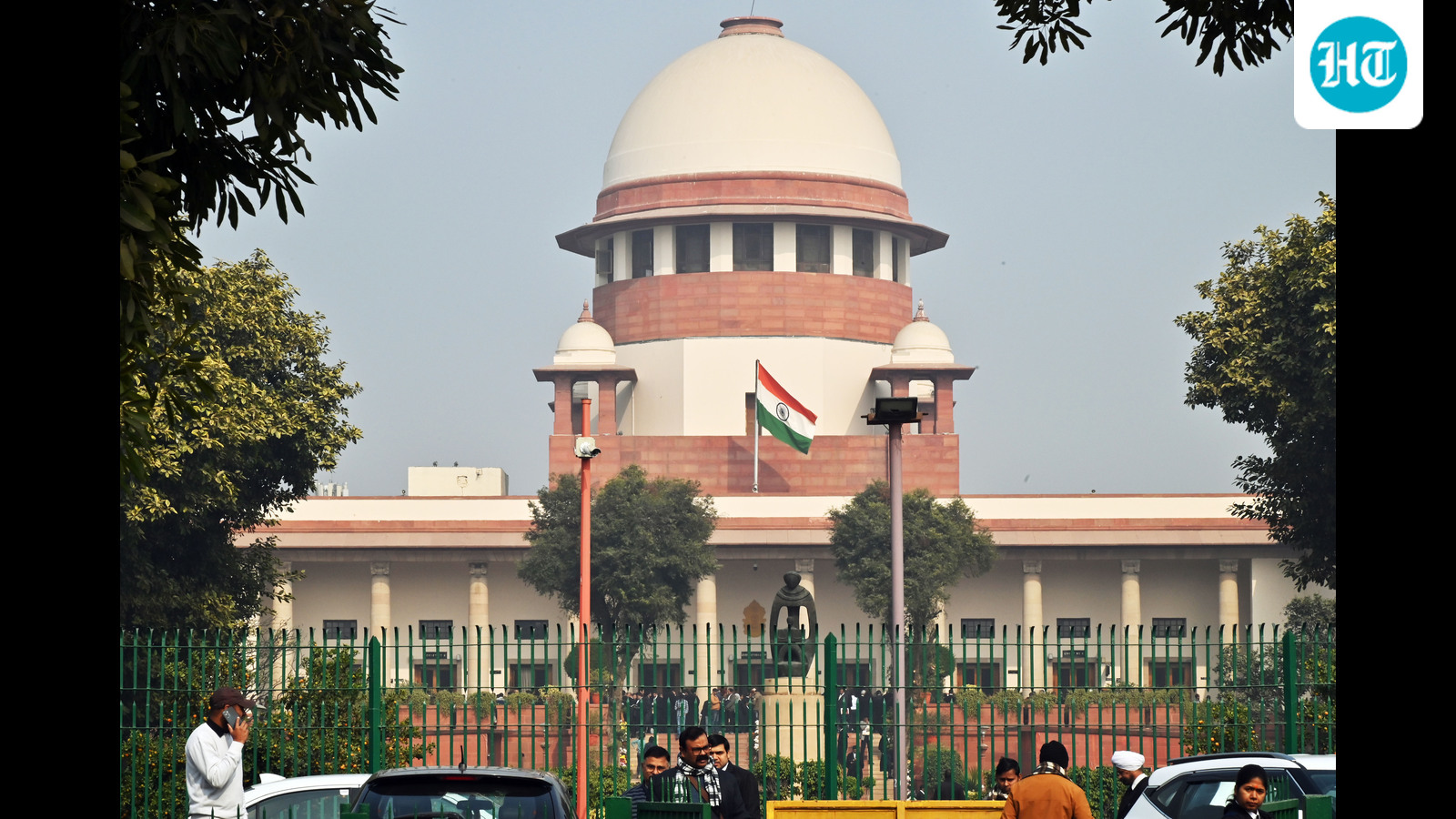
The Supreme Court of India has sought responses from the Centre and the Bar Council of India on a petition filed by the Supreme Court Women Lawyers Association (SCWLA) challenging a Bombay High Court decision that women lawyers cannot seek redressal for sexual harassment complaints at state bar councils.
The Bombay High Court ruling, made in July, stated that the Sexual Harassment of Women at Workplace (Prevention, Prohibition and Redressal) Act, 2013, does not apply to bar councils, leaving women lawyers without a clear mechanism to address grievances. The SCWLA argues that this decision creates a significant vacuum in addressing sexual harassment complaints and is at odds with progressive judgments that have given an expansive meaning to securing women in workplaces.
The petition also questions the Bombay High Court's conclusion that women lawyers can approach bar councils under Section 35 of the Advocates Act, 1961, which deals with punishment for professional misconduct, not sexual harassment. The SCWLA argues that this finding is erroneous and creates confusion between the POSH Act and the Advocates Act.
The Supreme Court's move comes as a welcome development for women lawyers, who have long faced challenges in addressing sexual harassment complaints in the legal profession. The court's decision to seek responses from the Centre and the Bar Council of India will now determine whether a 'relationship of employer and employee' exists between lawyers and council, which is a critical factor in applying the POSH Act.
This development has significant implications for women lawyers across the country, who will be watching the outcome of this case closely. The Supreme Court's decision will also shed light on the implementation of the POSH Act in professional bodies and whether it can be applied to address sexual harassment complaints in the legal profession.