Supreme Court Divided on Section 17A: A Decades-Long Battle for Transparency
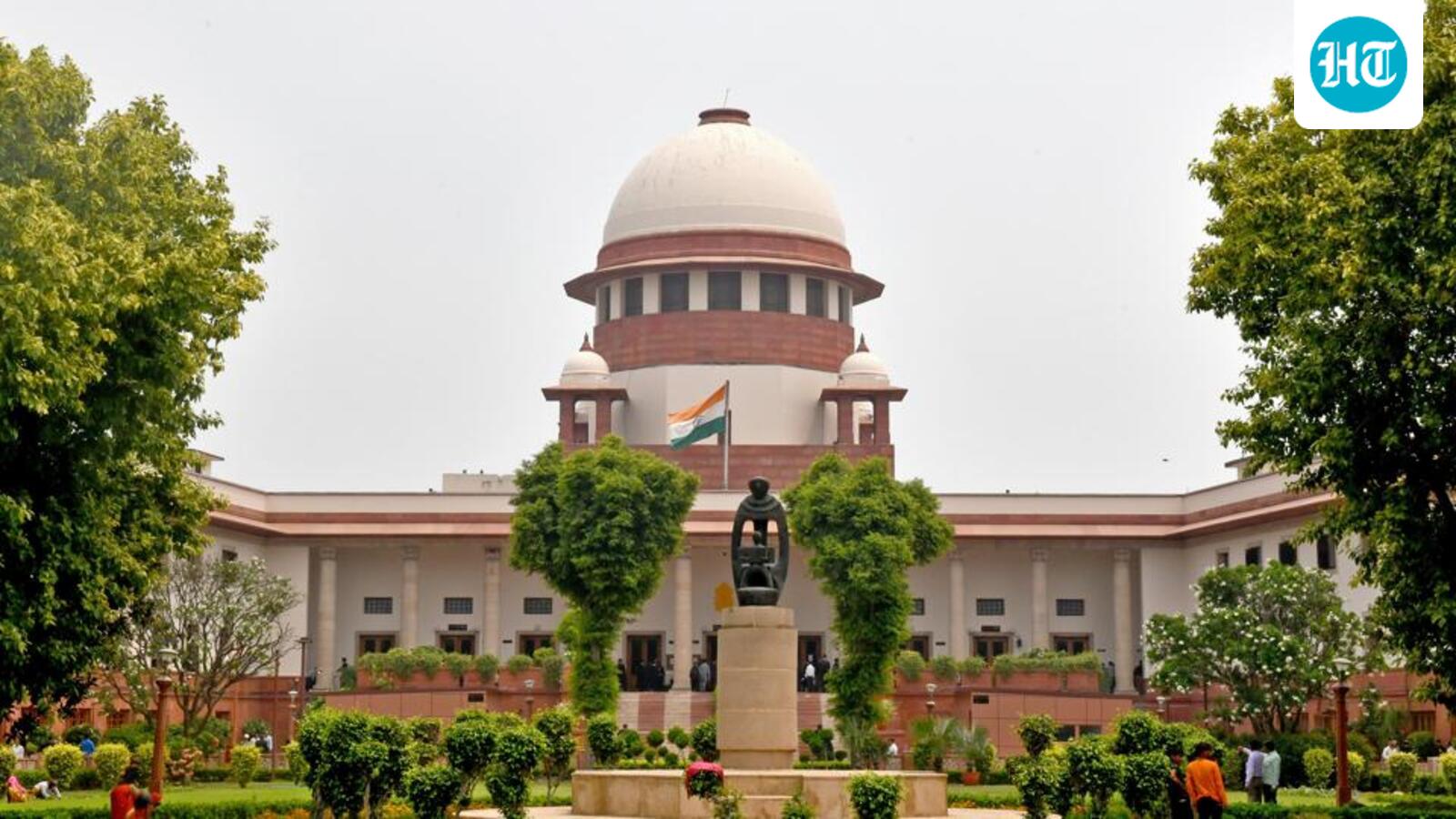
Image Source: Internet
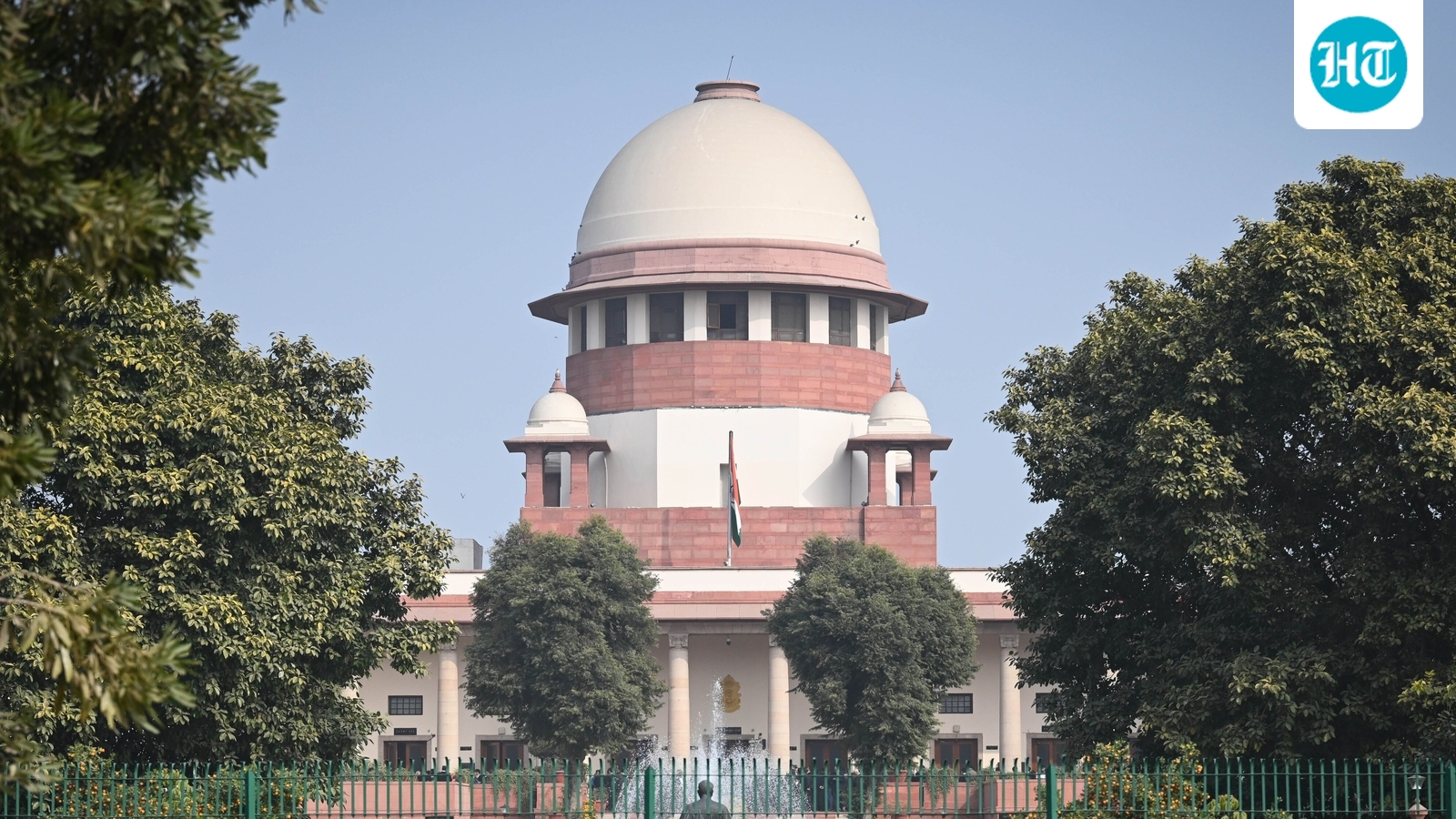
The Supreme Court's split verdict on Tuesday has reignited a long-standing debate over the constitutional validity of Section 17A of the Prevention of Corruption (PC) Act. This provision, introduced in 2018, requires prior approval before investigating public servants accused of corruption. The court's decision has sent the case to the Chief Justice of India for a larger bench to review, marking the latest chapter in a saga that spans over five decades. At the heart of the controversy lies a crucial question: can the executive insist on prior approval before even initiating a preliminary inquiry into allegations of corruption against public servants? Section 17A answers this question in the affirmative, extending protection from investigation without prior approval to all serving and retired public servants. Critics argue that this provision undermines anti-corruption enforcement by allowing the executive to decide whether allegations can be examined at all. They point out that this is not the first instance of such a provision being struck down by the Supreme Court. In 1969, the Single Directive required prior governmental approval before the Central Bureau of Investigation (CBI) could investigate senior officials. This was later struck down in Vineet Narain Vs Union of India (1997), and again in Subramanian Swamy Vs Director, CBI (2014). The government, on the other hand, has consistently defended such provisions as essential to protect honest officers and prevent "policy paralysis". However, the Supreme Court has consistently held that no office or rank can justify insulating corruption from investigation. The court has warned that allowing senior bureaucrats to control the initiation of investigations against themselves poses a grave threat to the rule of law. The case has been referred to a larger bench, which will ultimately decide the fate of Section 17A. The outcome will have far-reaching consequences, not merely for corruption cases, but for the balance between accountability and administrative autonomy. What is at stake is not merely the fate of a single provision, but a foundational question about the architecture of India's anti-corruption regime: should investigation be the rule and protection the exception, or vice versa?