Supreme Court Orders States to Enhance Accountability in Welfare Delivery
The Supreme Court underlined that the public distribution system (PDS) remains the thin line between sustenance and deprivation for millions in India. | India News
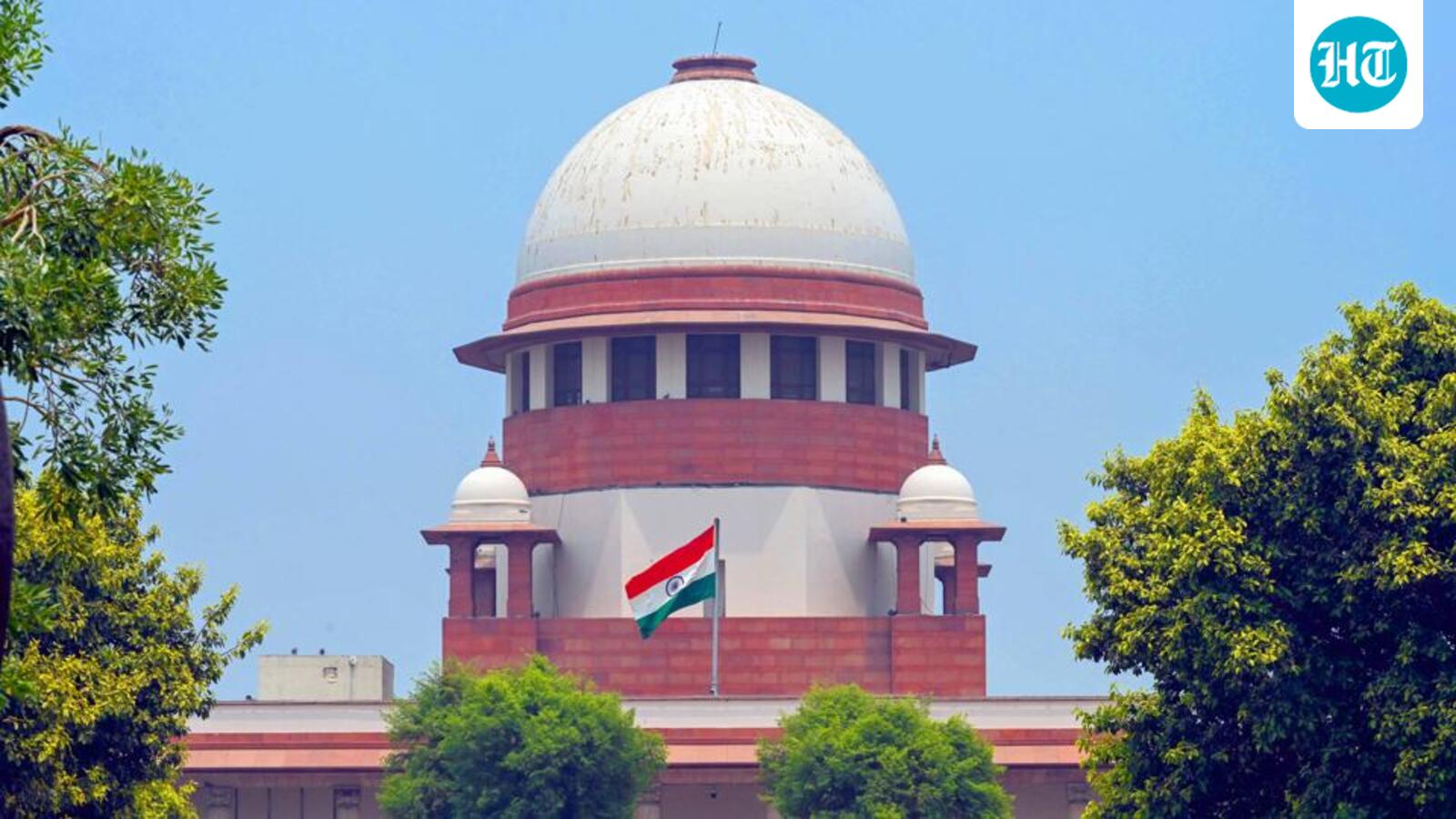
The Supreme Court has emphasized the need for greater accountability in public procurement, particularly in welfare delivery, to ensure that essential services reach those who need them most. In a recent ruling, the court highlighted the importance of institutional coherence, foresight, and accountability in public projects.
The court's bench, led by Chief Justice Surya Kant, noted that delays or procedural lapses in public projects can have severe consequences for those at the receiving end, particularly the economically weaker sections of society. The court emphasized that administrative caution and technological innovation must work together to ensure that reforms serve their intended purpose – providing service to the poorest.
The case at hand involved a dispute over the procurement and deployment of electronic point-of-sale (ePoS) devices for fair price shops under the Public Distribution System (PDS). The court lamented that nearly six years had passed with no finalization of the tender process, despite its critical importance to the lives of economically weaker citizens.
The Supreme Court allowed an appeal by the Himachal Pradesh government, setting aside a high court judgment that had restored contractual obligations to a private company. The court held that the cancellation of the Letter of Intent (LoI) issued to the company was not arbitrary and that the state had valid reasons for dissatisfaction.
In its ruling, the court ordered the state to issue a fresh tender forthwith, allowing the respondent company to participate. It also directed a fact-finding enquiry to be conducted to ascertain the deployment of machines, components, and services under the cancelled LoI, with reimbursement of verified expenses on a principle of quantum meruit within three months. The court further stated that all machinery, devices, and software implemented in pilot stages will vest in the state for use at fair price shops, with no further claims for loss of profit or consequential damages.
The Supreme Court's ruling underscores the need for greater accountability and transparency in public procurement, particularly in welfare delivery, to ensure that essential services reach those who need them most.