Supreme Court Overhauls Listing Process in Bid to Cut Pendency
To expedite bail petition disposal, lawyers must serve an advance copy on the counsel appearing for the other side—Union, state or UT government. | India News
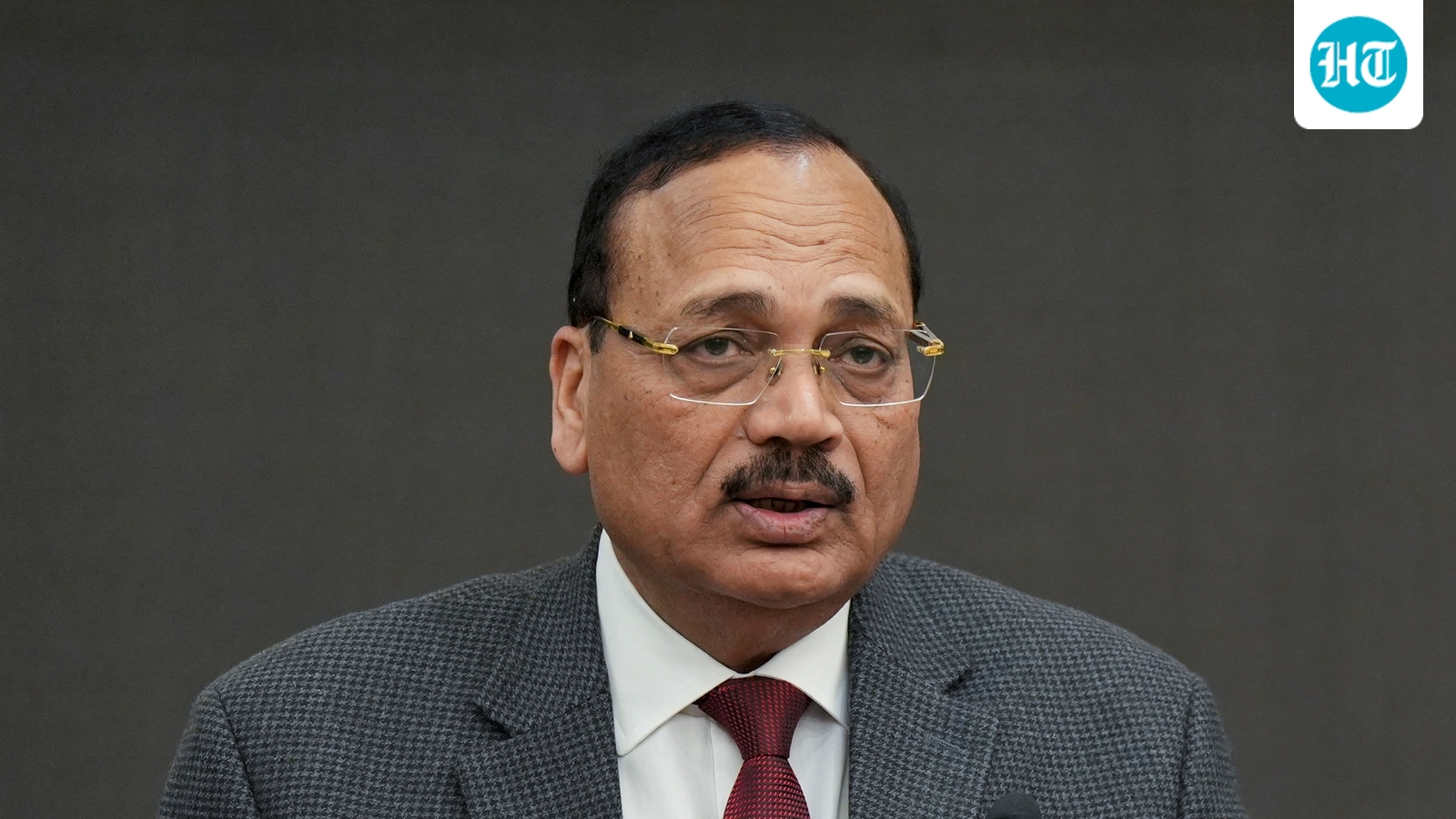
In a significant move to tackle the backlog of cases, Chief Justice of India (CJI) Surya Kant has introduced sweeping reforms at the Supreme Court, barely a week after taking office. The reforms, set to take effect from Monday, aim to reduce delays and expedite the disposal of cases.
Key highlights of the reforms include:
* Fresh bail cases involving individual liberty or requiring urgent interim orders will be heard within two working days of filing, provided the case is verified and cleared by the registry.
* Urgent mentioning for hearing of cases will be permitted the same day they are filed, subject to a request made to the concerned registrar half-an-hour before the court assembles.
* Decades-old matters listed on 'Regular Hearing' days (Wednesdays and Thursdays) will not be granted adjournments, with no letters seeking adjournment permitted.
* Lawyers must serve an advance copy of bail petitions to the opposing counsel, Union, state, or UT government, to expedite disposal.
The reforms also extend a practice introduced by former CJI BR Gavai, which barred senior advocates from mentioning cases for urgent listing, encouraging juniors to do so. This rule now applies to all courts in the Supreme Court.
CJI Kant had identified pendency and mediation as his focus areas before taking office, expressing concern over the rising number of cases pending in the top court, which has crossed 90,000. He aims to optimize the utilization of the court's resources and ensure that oldest matters are addressed.
The reforms are a step towards achieving the CJI's goal of reducing the backlog and improving the efficiency of the Supreme Court.