
Supreme Court Quashes Seniority Quota for Higher Judicial Service, Citing Merit Over Experience
The Supreme Court ruled that length of service cannot create quotas for judicial appointments, emphasizing merit over seniority in promotions to higher judiciary. | India News
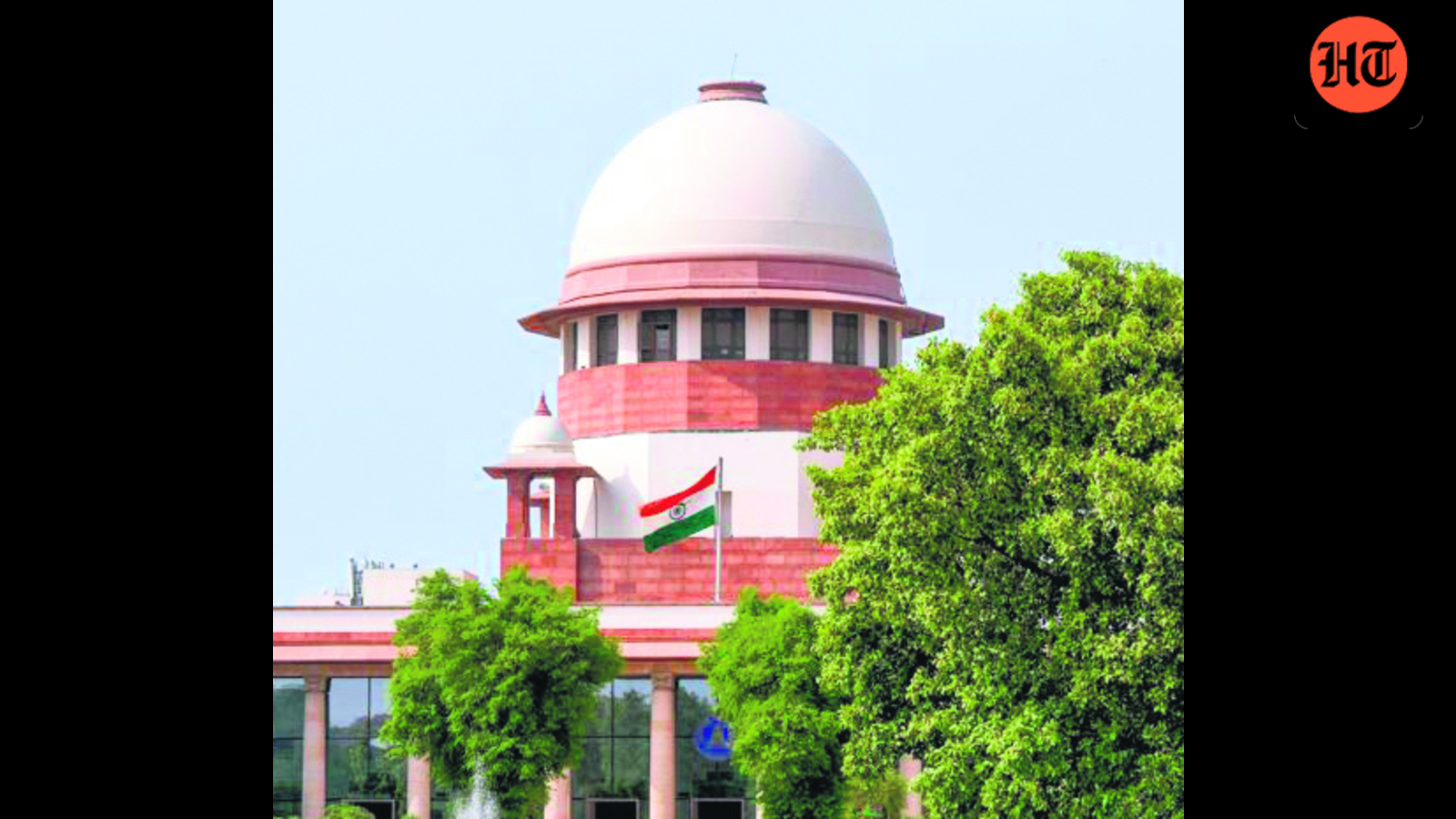
In a landmark decision, a five-judge bench of the Supreme Court has ruled that length of service cannot be a criteria for creating a separate quota for officers in the higher judicial service. The bench, led by Chief Justice of India Bhushan R Gavai, held that prioritizing experience over merit would be unfair and compromise the quality of appointments.
The court was considering a long-standing dispute between judges serving in the lower rungs of the judiciary and those from the bar, who enter the high judicial services through direct recruitment or competitive examinations. The judges' association had argued that regular promotees (RPs) should be given preference due to their prior experience, but the court found no basis for this claim.
While acknowledging the importance of preserving judicial independence and promoting efficiency in service, the court emphasized that appointments to the higher judicial service should be based on merit alone. The bench noted that the current appointment criteria, which allocates 50% of positions to RPs, 25% to Limited Departmental Competitive Examination (LDCE) candidates, and 25% to direct recruits, is fair and does not favor any group disproportionately.
To address concerns about career progression, the court directed states and union territories to implement a uniform roster system, where seniority is determined through an annual 4-point rotation of 2 RPs, 1 LDCE, and 1 DR. This move aims to provide a level playing field for all candidates and prevent any group from being unfairly disadvantaged.
The court also clarified that its decision does not intend to adjudicate inter se seniority disputes among RPs, LDCEs, and DRs. Instead, it seeks to establish a homogeneous framework for appointments, allowing each high court to exercise its powers of superintendence over judicial services.
The Supreme Court's ruling is a significant step towards ensuring the independence and efficiency of the judiciary, and its decision is expected to have far-reaching implications for the country's judicial system.