Supreme Court Questions Rohingya Migrant Status, Red Carpet Treatment for Illegal Entrants
The Supreme Court on Tuesday expressed its reservation over extending judicial protection to undocumented Rohingya migrants, questioning whether courts and governments are expected to “roll out a red carpet” for illegal entrants | India News
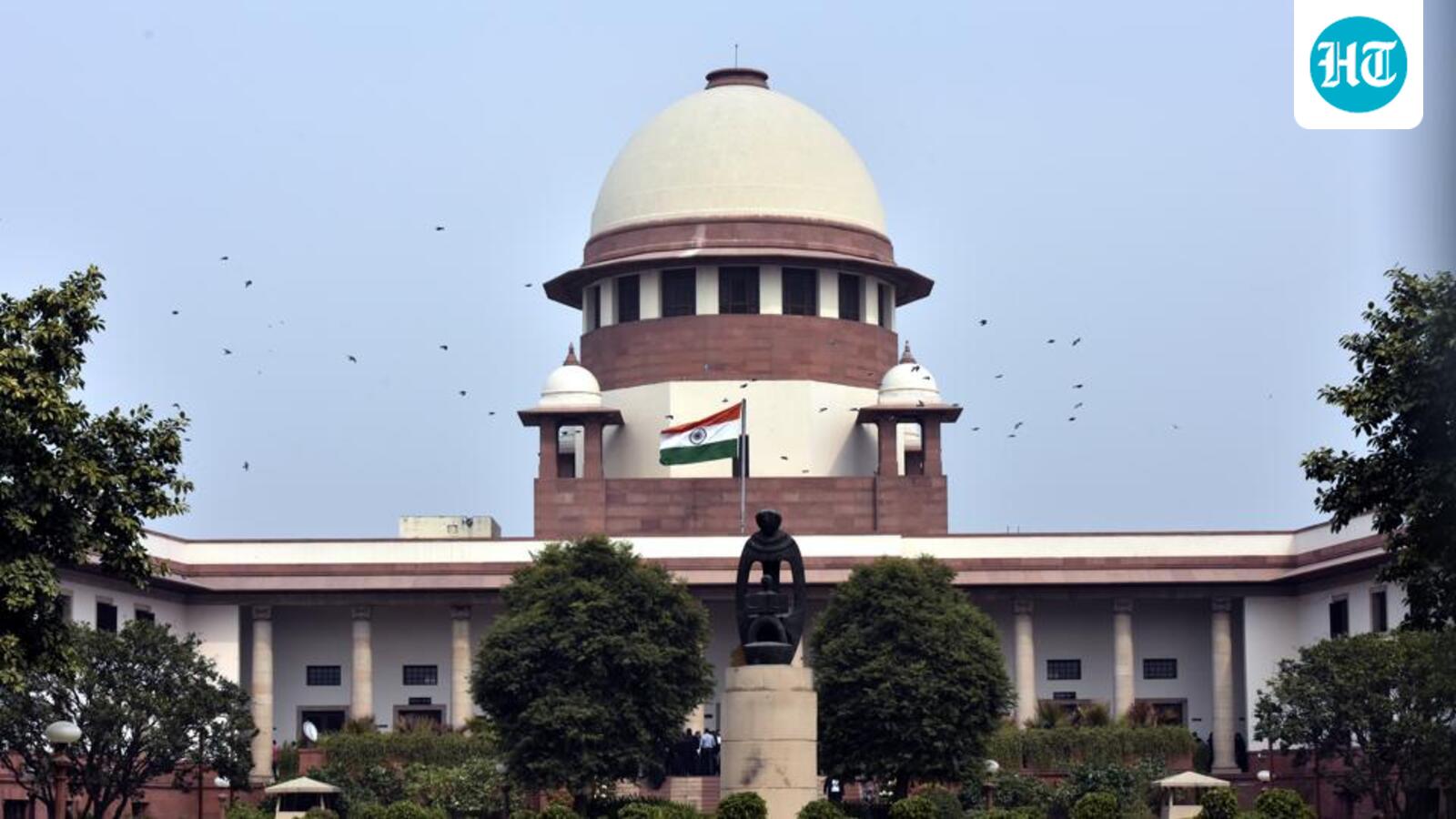
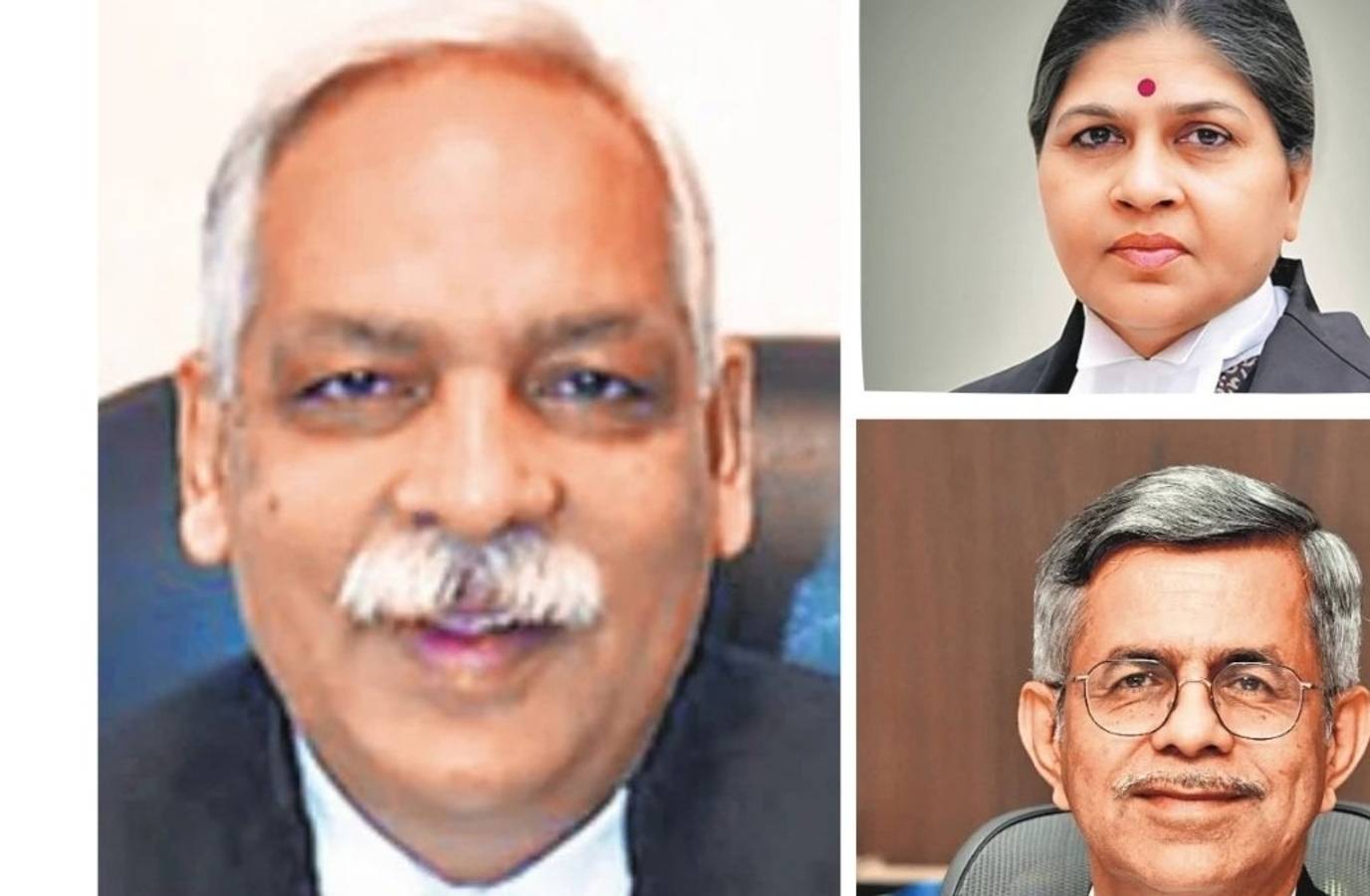
The Supreme Court has expressed reservations about extending judicial protection to undocumented Rohingya migrants, questioning whether they deserve the same welfare rights as Indian citizens. A bench led by Chief Justice Surya Kant and Justice Joymalya Bagchi raised concerns about the millions of Indian citizens struggling for basic necessities like food, education, and medical care.
During a hearing on a plea alleging the custodial disappearance of five Rohingya individuals, the bench asked how far constitutional protections can be stretched to accommodate those who entered India without permission. They also questioned the repeated characterization of such individuals as 'refugees,' noting that refugee status is a legally defined category.
The court cast doubt on the idea that those who entered India illegally deserve the same rights as citizens. "Do we have an obligation to keep an intruder here when the legal status of refugee has not been accorded?" the bench asked. Solicitor General Tushar Mehta supported the court's position, highlighting the issue with recent petitions that have expanded in scope under the guise of public interest.
The court has posted the matter for December 16, directing that it be heard with a pending batch of cases concerning Rohingya migrants. The wider legal battle centers around a batch of 22 petitions, with the court framing key questions regarding the legal status of Rohingya entrants, including whether they are entitled to the designation of refugees or are illegal migrants required to be deported under Indian law.
India has resisted international pressure to formally recognize Rohingyas as refugees, maintaining that national security concerns must prevail. The Supreme Court's decision is expected to examine both the alleged disappearance claim and the broader legal questions shaping the fate of Rohingyas in India.