
Supreme Court Reverses Environment Clearance Ban, Allows Ex-Post-Facto Approvals in Exceptional Cases
Justice Bhuyan, who had co-authored the original May 16 judgment, dissented declaring the concept of ex-post facto clearance an anathema to environmental jurisprudence | India News
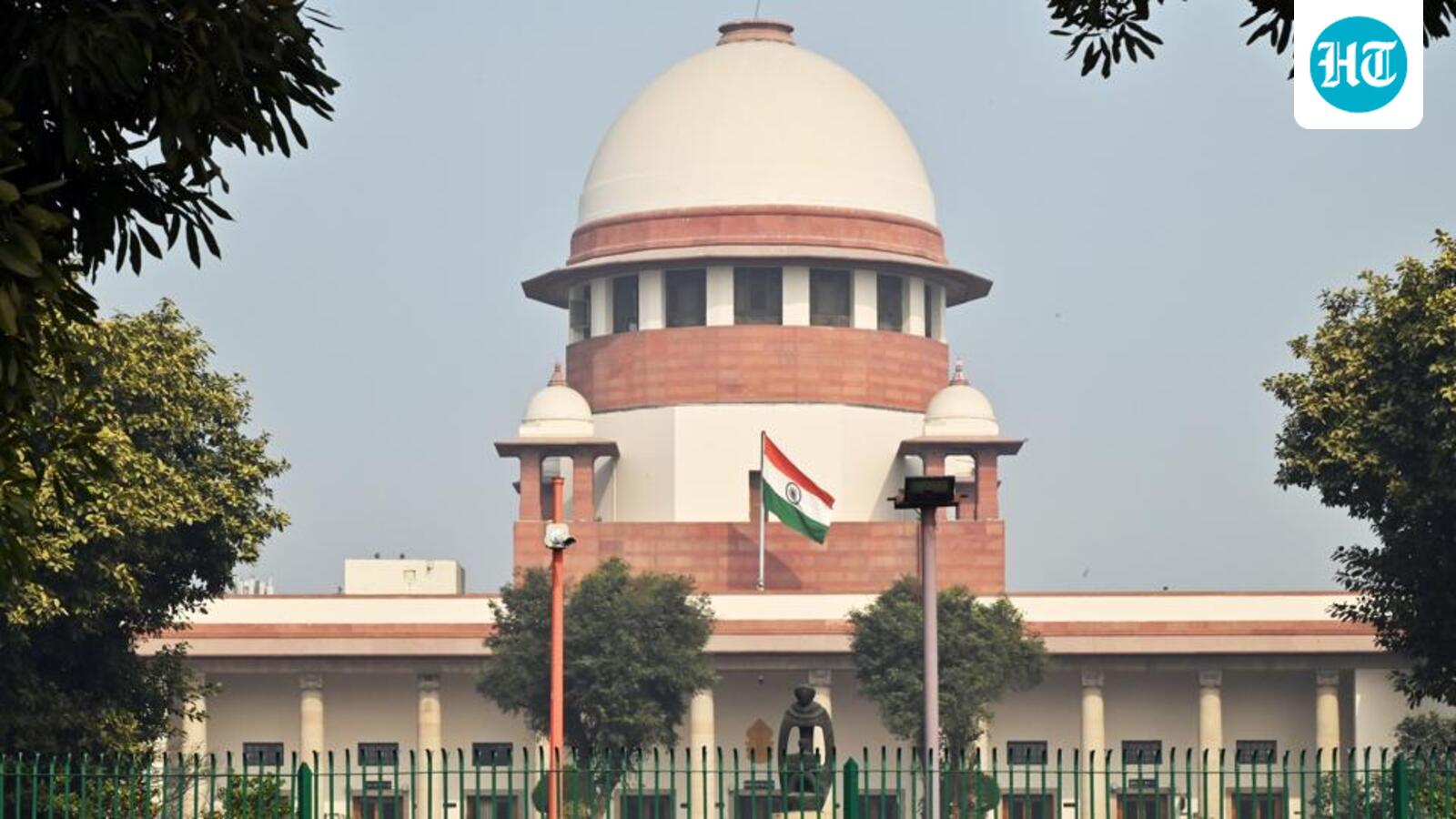
In a landmark ruling, the Supreme Court on Tuesday overturned its previous decision banning ex-post-facto environment clearances for development projects. By a 2-1 majority, the court held that the May judgment failed to consider binding precedents, thus violating judicial discipline.
Chief Justice Bhushan R Gavai and Justice K Vinod Chandran, in their separate but concurring opinions, allowed a batch of review petitions, stating that the May verdict did not adequately consider earlier Supreme Court rulings that allowed post-facto clearances in exceptional circumstances.
The court highlighted the practical implications of the May judgment, which would have resulted in the demolition of buildings and government properties worth ₹20,000 crore, only to be rebuilt later. Justice Gavai noted that the government properties would be razed down, and hundreds of substantially completed projects faced demolition.
Justice Chandran emphasized that ignoring precedent had created 'legal uncertainty of the gravest order', risking the demolition of public and private projects worth thousands of crores despite their compliance with other statutory permissions.
The court's decision revives the 2017 and 2021 Office Memoranda, which permit post-facto clearances in limited circumstances subject to penalties and strict scrutiny. However, each violating project must undergo full appraisal and cannot seek automatic clearance.
The ruling comes as a relief to several major projects, including those worth ₹79,000 crore, which were in limbo due to the May judgment. The environment ministry had warned that 45 major Central projects would be affected, while real estate firms and greenfield airport projects also faced uncertainty.
Environmental groups had opposed the recall, arguing that post-facto clearances incentivise illegal construction and undermine the Environment Impact Assessment framework. However, the court's majority decision has paved the way for ex-post-facto approvals in exceptional cases, subject to strict scrutiny and penalties.