Supreme Court Ruling Sparks Concerns Over Environmental Clearances in India
Legal and environmental experts said the ruling reopens a contentious debate around whether violations can be regularised after damage has already occurred. | India News
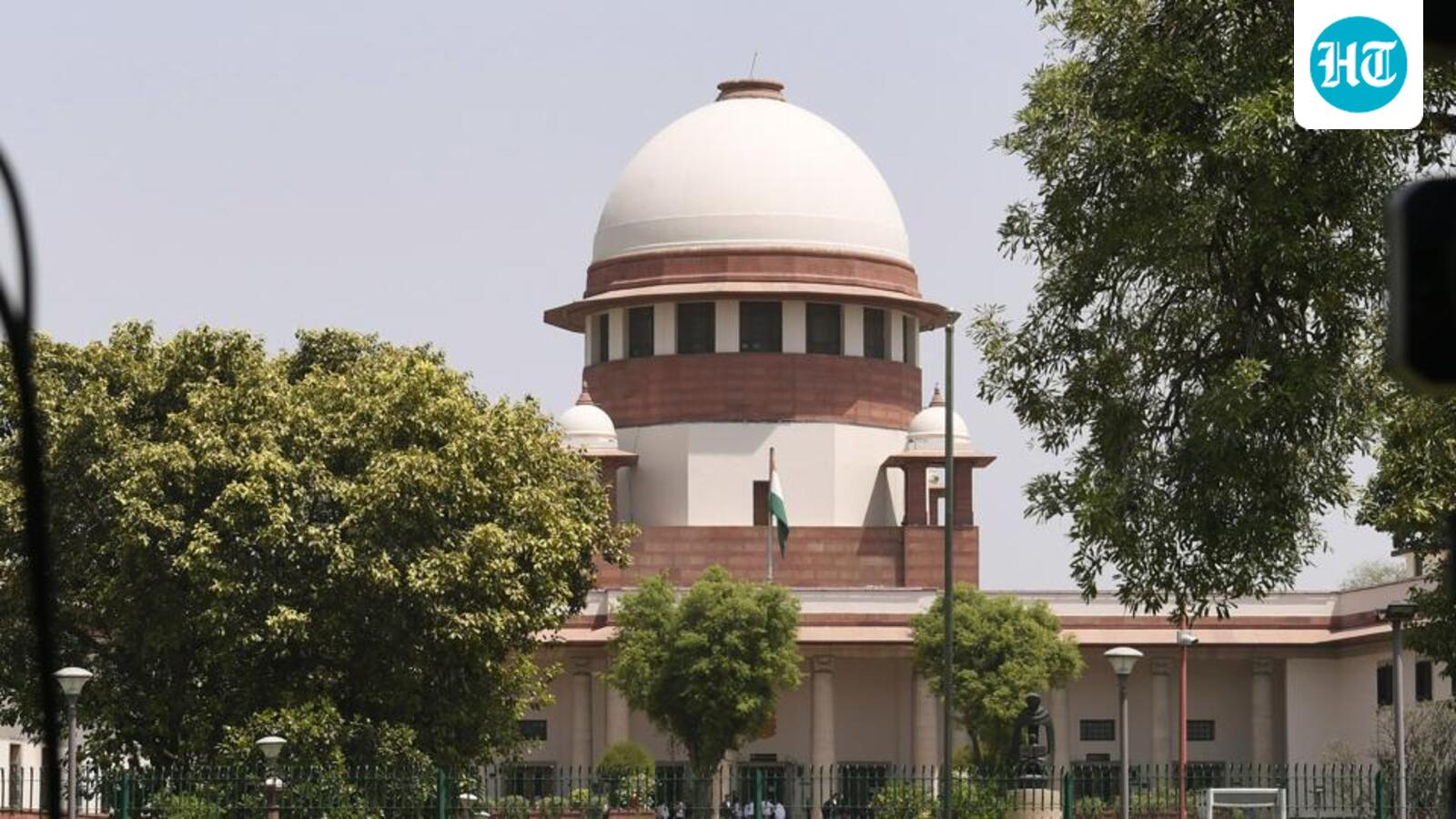
The Supreme Court's decision to recall its May judgment on ex-post-facto environmental clearances (ECs) has sparked concerns over the potential weakening of India's environmental framework. The ruling, made by a 2-1 majority, has reopened a contentious debate on whether projects can be regularized after environmental damage has occurred.
According to experts, the recall of the judgment does not undo the underlying issue of retrospective clearances, but rather sends the matter to a larger bench for re-examination. Debadityo Sinha, a climate expert, emphasized that ex-post facto ECs fundamentally undermine the purpose of environmental clearances, which is to evaluate the feasibility of a project at a particular site.
The recall of the judgment restores the 2017 notification and 2021 office memorandum that permit post-facto approvals in certain situations. However, experts argue that these mechanisms remain environmentally regressive, promoting loopholes and destruction. Environmental lawyer Ritwick Dutta criticized the concept of post-facto approvals, stating that it violates the principles of environmental jurisprudence and the rule of law.
Environmental activists are concerned that the recall of the judgment risks reopening the very loopholes they have spent years challenging. Activist Bhavreen Kandhari warned that the majority judgment can give an open license to violate environmental regulations, which is a dangerous precedent. As the matter is sent to a larger bench for re-examination, experts hope that the fresh judgment will address the underlying issue and ensure that retrospective clearances do not occur.