Supreme Court Set to Decide Fate of Presidential Timelines in India
The reference places before the court 14 significant questions, including whether silence in Articles 200 and 201 can be judicially filled by imposing procedural timelines | India News
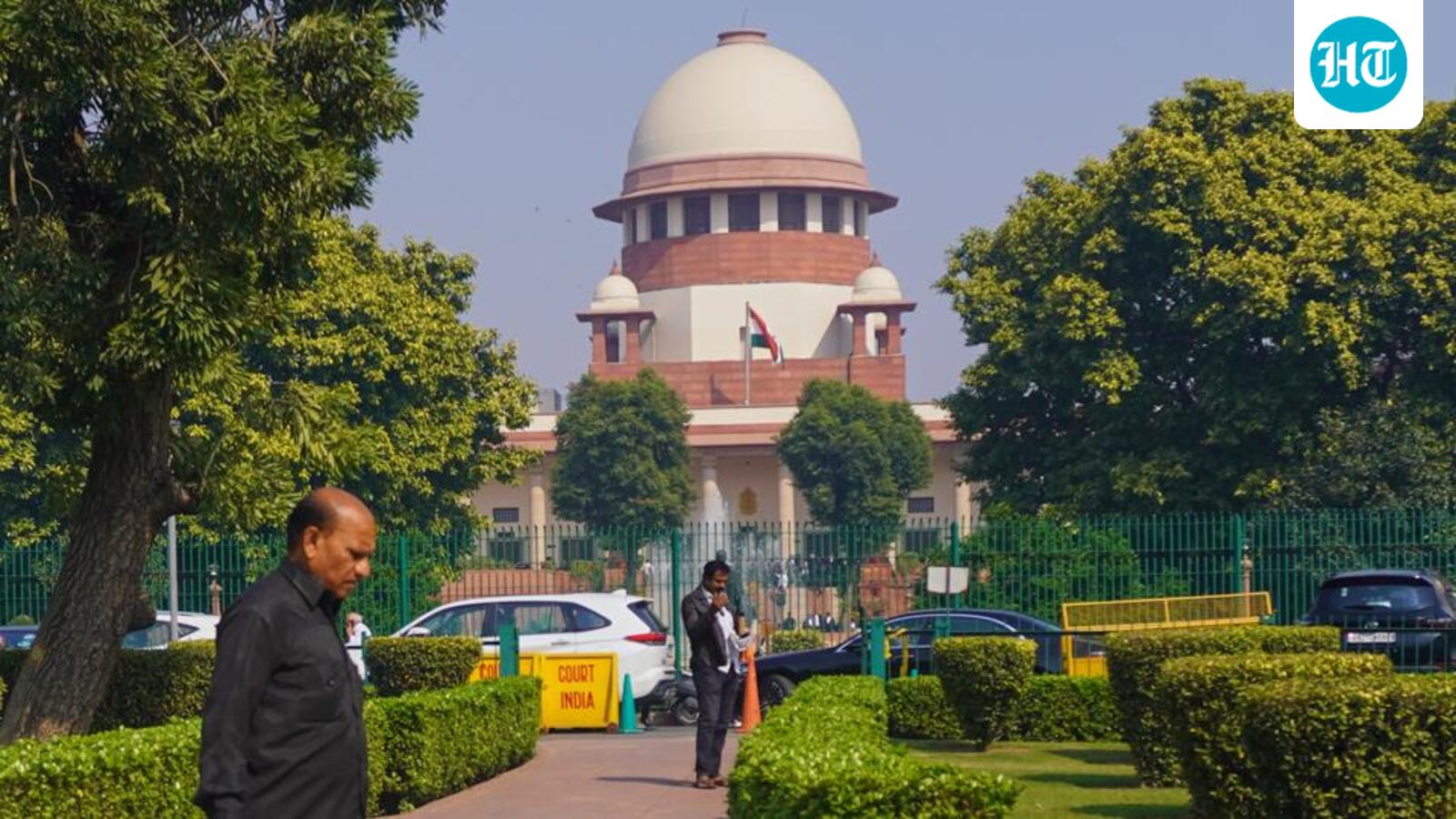
The Supreme Court will deliver its advisory opinion on Thursday, addressing a critical question about the President and governors' power to act on state bills. This decision comes after a five-judge constitution bench reserved its verdict on September 11, following marathon hearings that probed the limits of judicial authority.
The hearings were prompted by a presidential reference made by President Droupadi Murmu in May, seeking clarity on whether the Supreme Court can set binding timelines for gubernatorial or presidential assent. The issue arose after a two-judge bench's ruling in April, which set deadlines for governors to act on re-enacted bills and presidential assent.
The Supreme Court will consider 14 significant questions, including whether silence in Articles 200 and 201 can be judicially filled by imposing procedural timelines, and whether Article 142 can override explicit constitutional provisions. Solicitor General Tushar Mehta argued that judicially crafted timelines could provoke constitutional crises, while several states opposed the Union's stance, emphasizing the importance of governors' action in governance and democratic accountability.
The Supreme Court's advisory opinion, although not binding, historically shapes constitutional interpretation and political conduct. The decision will have significant implications for Centre-state relations and will be closely watched by the nation, given the upcoming retirement of Chief Justice of India Bhushan R Gavai on November 23.