Supreme Court Sets Limits on Governors, Rejects Imposed Timelines for State Bills
Supreme Court said that Governors cannot hold state bills indefinitely but refused to set timelines, citing separation of powers. | India News
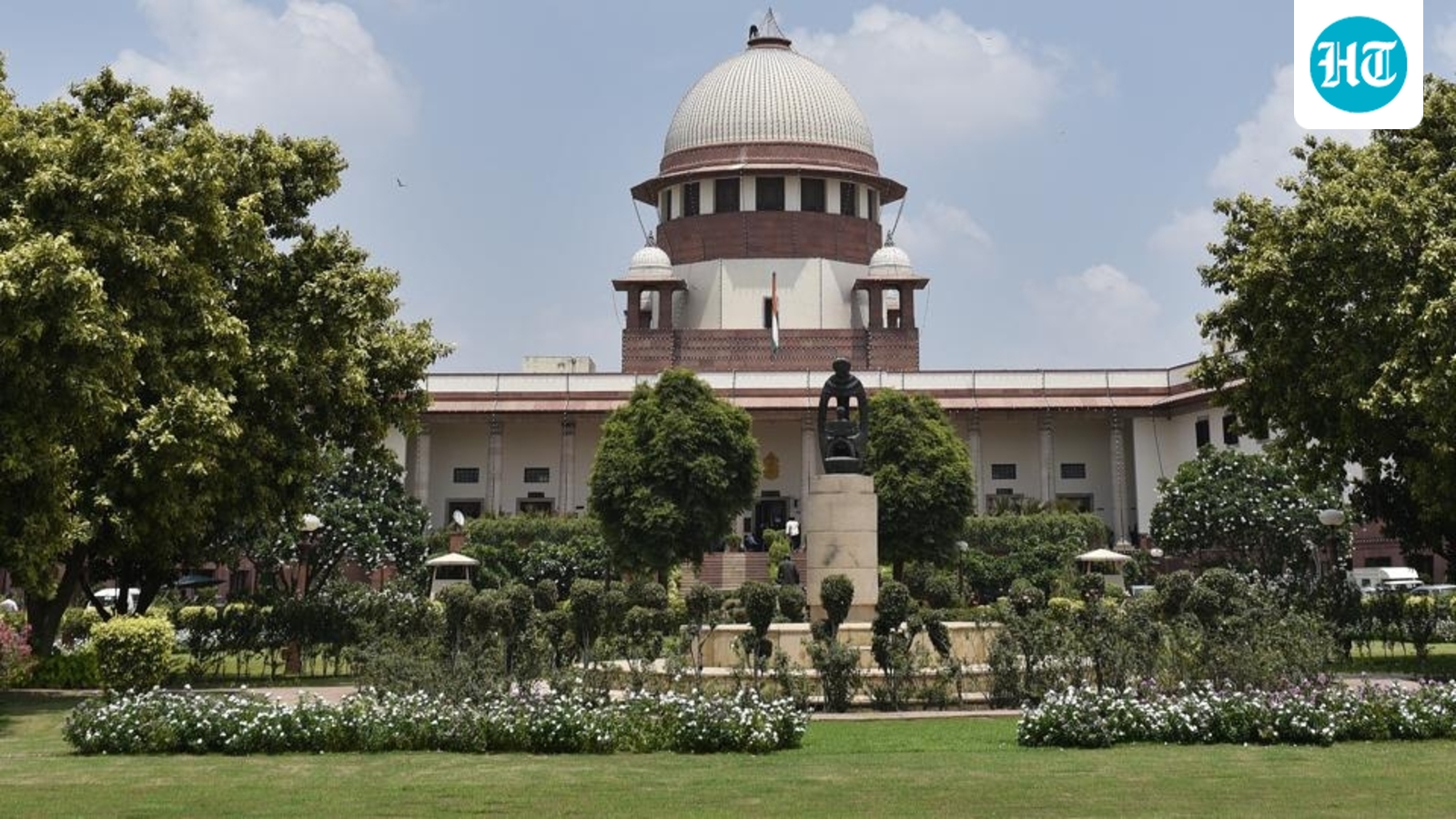
In a landmark ruling, the Supreme Court has clarified the powers of governors and the President in dealing with state bills, ruling out the imposition of judicially mandated timelines. The five-judge constitution bench, led by Chief Justice Bhushan R Gavai, held that governors and the President cannot be bound by strict timelines for acting on state bills, as this would breach the separation of powers and distort the constitutional design.
The court emphasized that while governors are generally expected to act on the advice of the council of ministers, they also have a constitutional role in exercising discretion in certain areas. The bench rejected the idea of imposing timelines, saying it would be "unfathomable" to interpret Article 200 as strictly binding governors to ministerial advice when returning a bill or reserving it for the President.
However, the court also clarified that prolonged and deliberate inaction by a governor may invite limited judicial scrutiny, allowing courts to direct the governor to choose one of the constitutionally available options without examining the merits of the bill. This framework, the court said, strikes a delicate balance between ensuring checks against deliberate inaction and respecting the independence of constitutional offices.
The ruling comes in response to a presidential reference initiated by President Droupadi Murmu under Article 143, which sought clarity on various constitutional questions. The Supreme Court's opinion effectively holds that a previous two-judge bench ruling, which fixed strict deadlines for governors to act on re-enacted bills, did not lay down the correct law and cannot be cited as a precedent.
The court's decision has significant implications for Centre-state relations and governance in India. While it rejects the imposition of timelines, it also emphasizes the importance of ensuring that governors and the President exercise their constitutional discretion in a timely and effective manner. The Supreme Court's ruling is expected to provide clarity and guidance to the executive and legislative branches of government in India.