
Supreme Court Sounds Alarm on Reversals of Its Own Rulings, Threatening Judicial Authority
The observations came while hearing a plea filed by Anisur Rahman, accused in a 2019 murder case in West Bengal, who sought modification of a bail condition restricting him from leaving Kolkata | India News
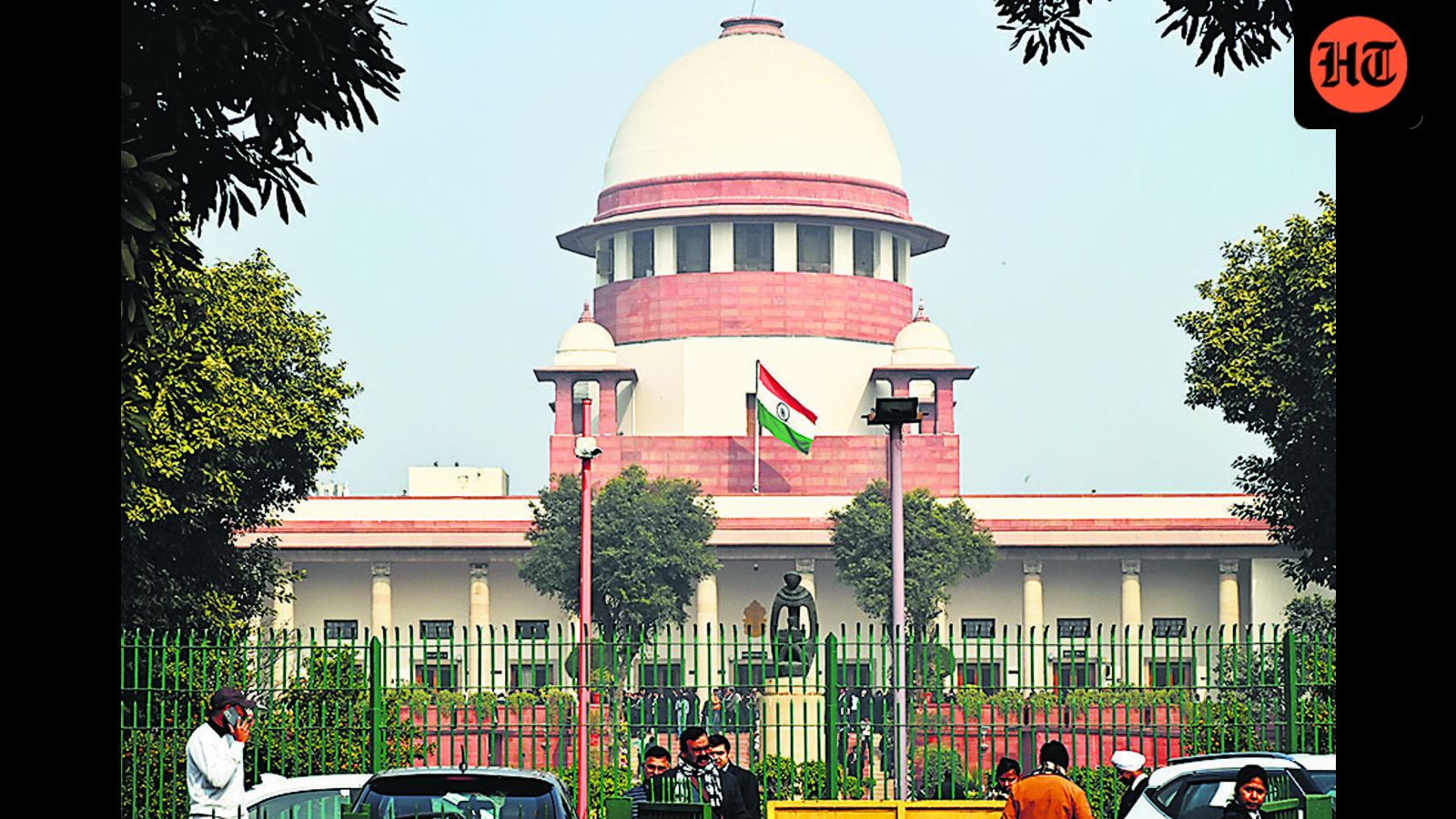
In a stern warning, the Supreme Court has cautioned that the growing trend of overturning its own verdicts before differently constituted benches undermines the authority and credibility of the apex court. This trend, where litigants seek a fresh outcome due to a change in bench composition, risks undermining consistency and stability in the law.
The court's concerns come amidst recent high-profile reversals, including the Tamil Nadu governor-assent dispute, the Vanshakti verdict on post-facto environmental clearances, and the order directing liquidation of Bhushan Power & Steel. In each of these matters, differently composed benches revisited and replaced earlier rulings, sparking debate about judicial certainty and the risk of litigants waiting for a more favourable bench.
The Supreme Court emphasized that certainty in law is as crucial as correctness, and that without it, the authority of the apex court could be compromised. The court warned that if reversals become routine, the stability that underpins the administration of justice could be lost.
Judges Dipankar Datta and AG Masih stressed that judicial discipline, comity, and propriety require a later bench to defer to an earlier one, unless there is something "so grossly erroneous on the face of the record or palpably wrong" that review or curative jurisdiction is triggered.
The court's observations came while hearing a plea filed by Anisur Rahman, accused in a 2019 murder case in West Bengal, who sought modification of a bail condition. The bench refused to alter its earlier January order, saying the present plea appeared to be "an attempt to take a chance because of the changed scenario.