Supreme Court to Hear Plea Against 'VIP Darshan' at Ujjain's Mahakaleshwar Temple: A Case of Inequality?
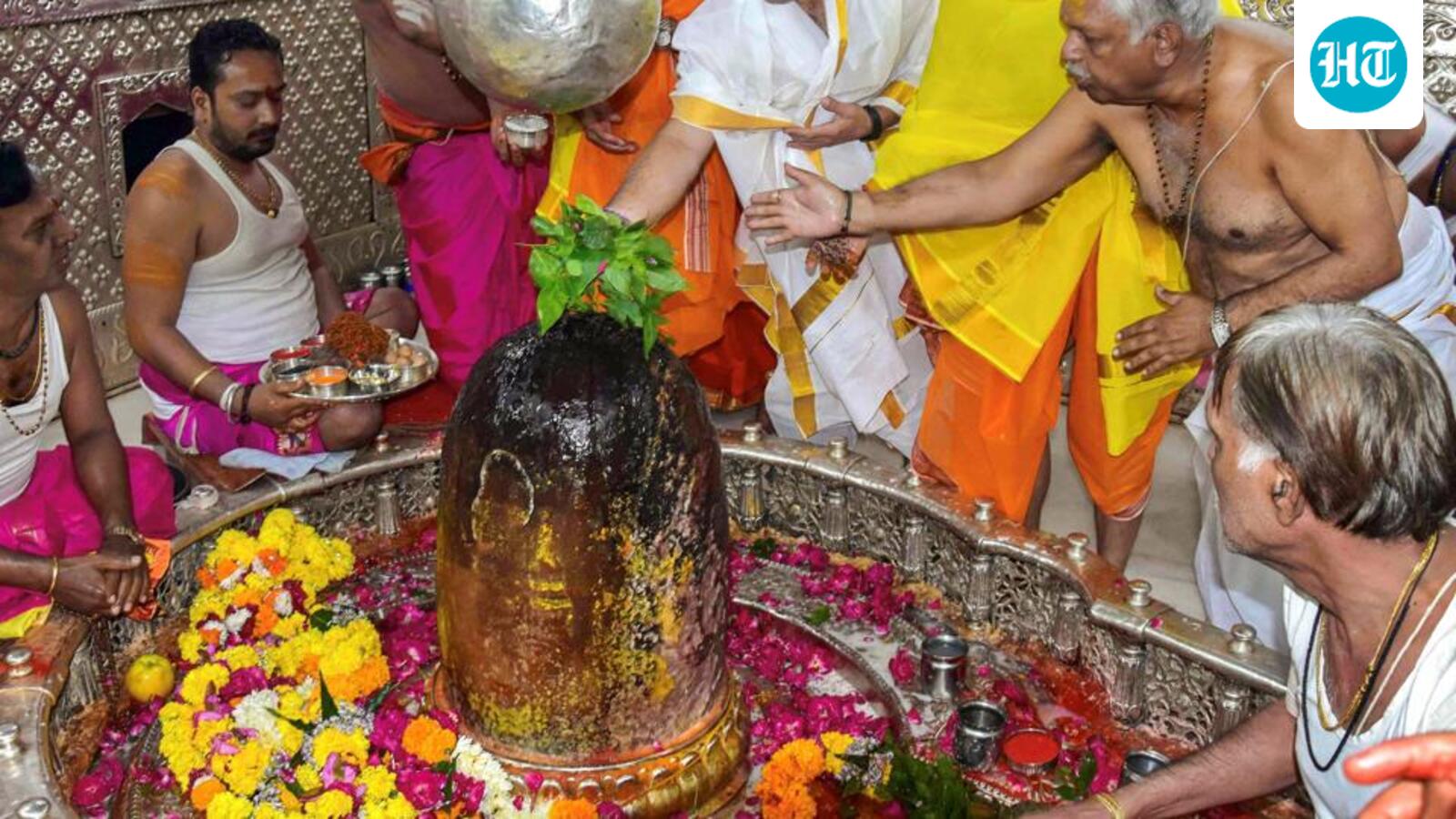
Image Source: Internet
The Supreme Court will today consider a petition challenging the controversial practice of granting special access to select devotees at the revered Mahakaleshwar temple in Ujjain, Madhya Pradesh. This move comes after the apex court's scathing criticism of temple administrations allowing private pujas for affluent devotees during hours meant for the deity's rest. A bench headed by Chief Justice Surya Kant will hear the plea, which argues that the temple's administrative committee has restricted entry of general devotees into the garbhagriha, while continuing to permit VIPs to do so with special permission. This, the petitioner claims, violates the Constitution's guarantee of equality before law and the right to freely practice and profess religion. The petition, filed by Ujjain resident Darpan Awasthi, contends that the temple's managing committee has no statutory authority to create a separate class of VIP devotees or grant preferential access to influential individuals. The plea relies on resolutions passed by the committee in 2023, which permit VIPs to enter the sanctum sanctorum under orders of the district collector or the committee chairman. The matter gains significance in light of the Supreme Court's recent observations on temple administration and reforms, particularly at the Banke Bihari temple in Vrindavan. The court had noted that while temples were closed to the general public on the pretext of allowing rest to the deity, privileged devotees were being allowed entry for a price. The upcoming hearing comes amid heightened scrutiny of temple administration and reforms, with the Supreme Court constituting a 14-member temple management committee to oversee the functioning of the Banke Bihari temple. The court has also agreed to examine a fresh challenge to reforms introduced by the high-powered committee, while observing that the deity has historically been 'exploited' by practices that denied it rest, while affluent devotees managed to secure privileged darshan during restricted hours.