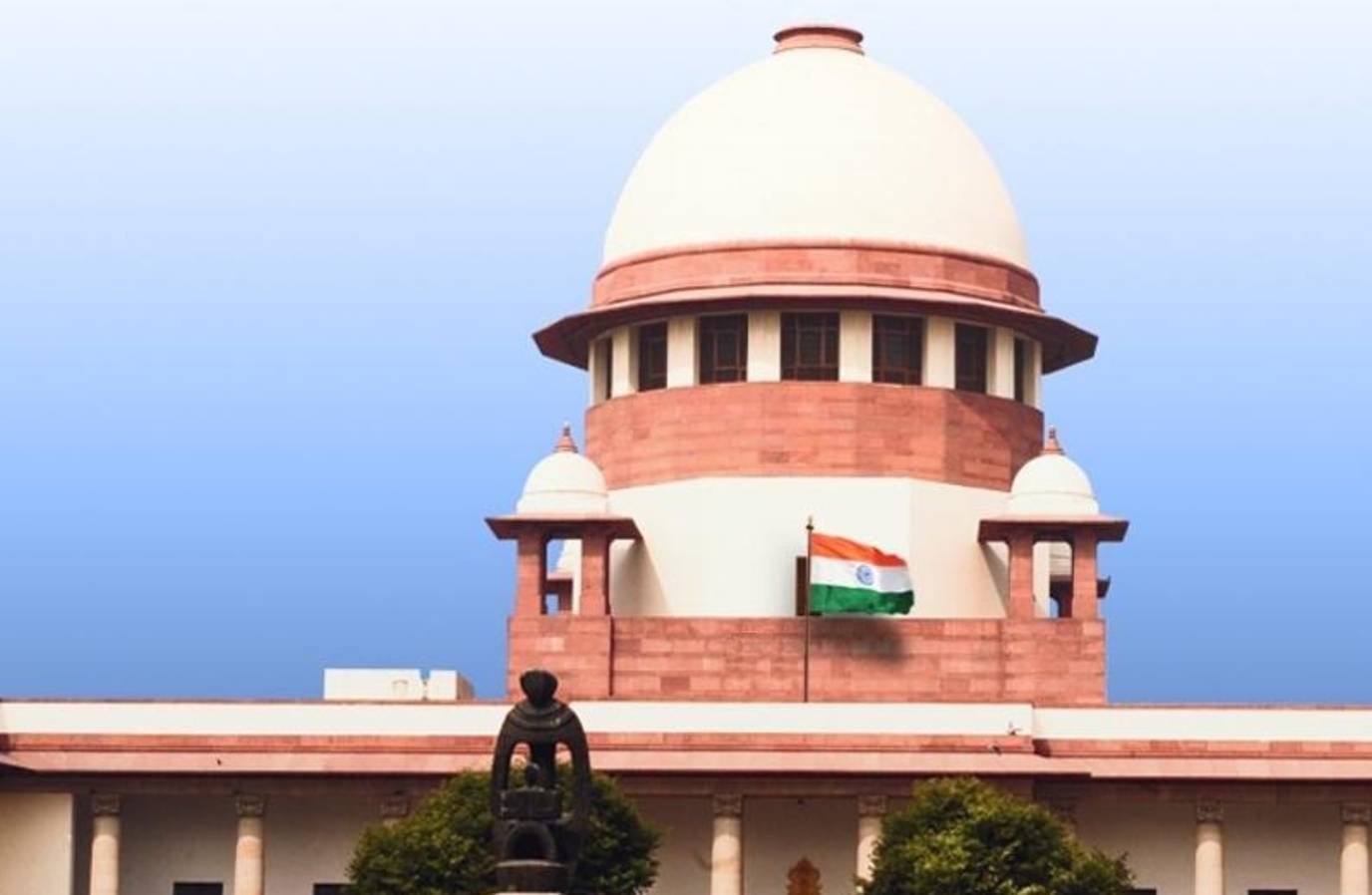
The Supreme Court of India has ruled that the right to vote is a valuable constitutional right, but not absolute, and can be subject to reasonable regulatory conditions to preserve the purity and accuracy of electoral rolls.
The court upheld the Election Commission's special intensive revision (SIR) of electoral rolls, which aims to refine and correct the electoral roll by excluding those who are not lawfully entitled to vote.
The court emphasized that the integrity of democracy depends on the inclusion of eligible voters as well as the exclusion of those not legally entitled to vote.
The judgment assumes importance as it provides a detailed constitutional formulation of the right to vote, which has been a subject of judicial debate.
The court clarified that the constitutional guarantee of universal adult franchise contemplates mechanisms of verification, identification, and periodic revision of electoral rolls.
The court rejected the petitioners' argument that SIR disproportionately burdens voters by compelling them to repeatedly establish citizenship or eligibility.
The court held that requiring electors to furnish one among several prescribed documents, coupled with multiple opportunities to rectify omissions and challenge exclusions, does not amount to a disproportionate restriction on voting rights.
The court concluded that SIR satisfies the constitutional test of proportionality because the measures adopted by ECI bear a rational nexus to the objective of ensuring accurate electoral rolls.