Supreme Court Upholds Restrictions on Civilian Access to Mosque Within Military Zone
“Can just one place be said to be connected to the practice of religion?” the bench asked during the hearing | India News
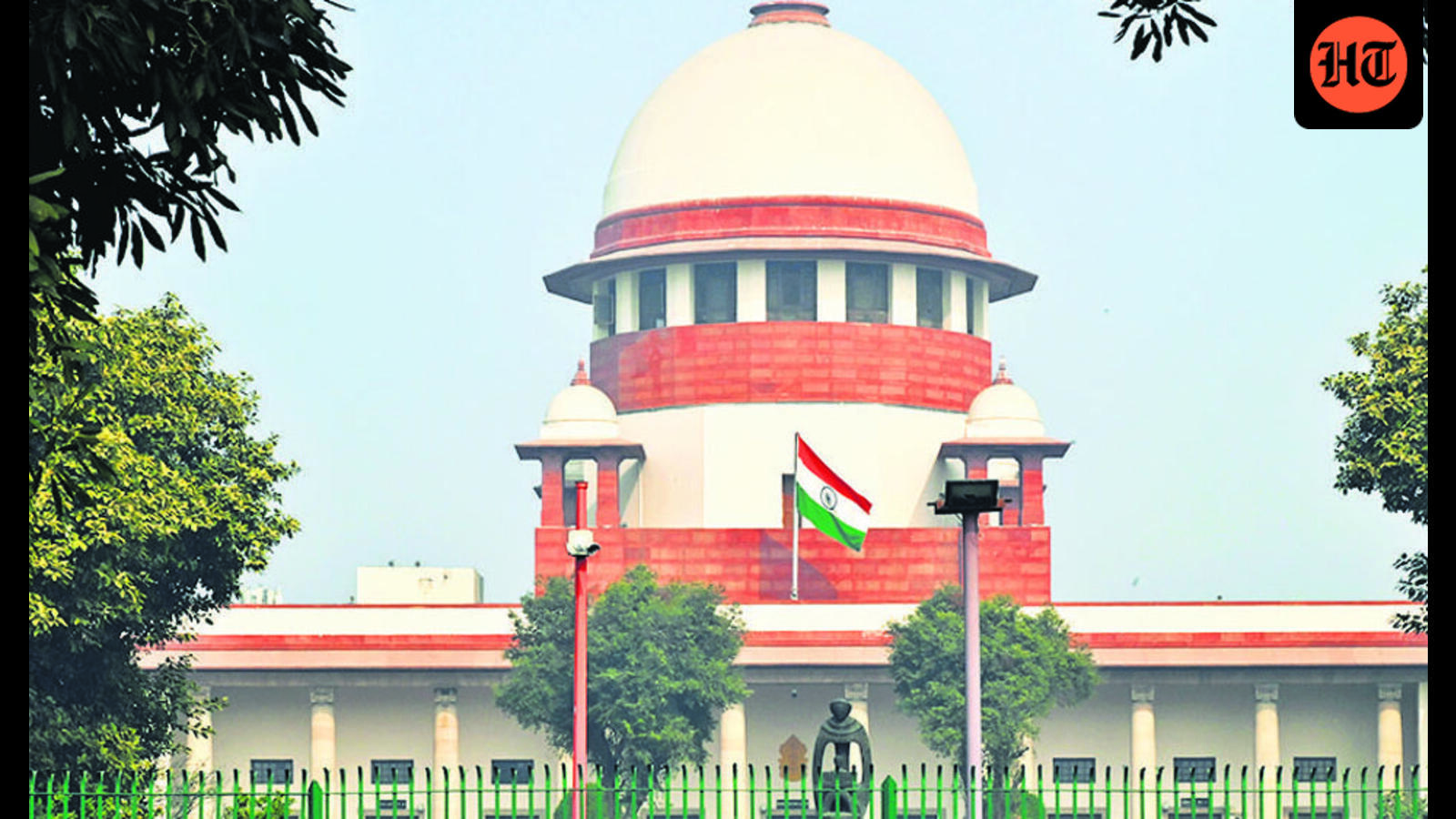
The Supreme Court of India has dismissed a plea seeking access for civilians to offer prayers at a mosque within a military area in Chennai. The court ruled that the right to practice one's religion is not tied to a specific location and that security considerations within military premises must be left to the armed forces.
In a hearing on Monday, a bench of justices Vikram Nath and Sandeep Mehta stated that the petitioner could not insist on entry into a restricted defence zone simply because a mosque existed there. The bench emphasized that the military's assessment must prevail and that security issues can arise at any time.
The petitioner, Mohammed Noorullah Sherif, had argued that the mosque, Masjid-E-Aalishaan, had historically been accessible to civilians and that the right to offer namaz there did not disappear merely because it was situated inside army land. However, the bench underlined that the military's assessment must be respected and that alternative places of worship are available.
This decision effectively affirms an April 2025 decision of the Madras High Court, which had refused to direct military authorities to open the mosque for civilian worshippers. The Supreme Court's reasoning echoes its stance in a recent case where it refused to reopen the issue of the demolition of a 200-year-old mosque in Ujjain, stating that the constitutional right to practice religion does not attach to any particular location.
The court's decision highlights the importance of respecting security considerations within military premises and the availability of alternative places of worship. It also underscores the limits of judicial intervention in administrative decisions, particularly those related to national security.