The 'Hindi imposition' debate in Tamil Nadu is a century-old issue that continues to play a significant role in the state's politics, particularly ahead of the April 23 assembly election.
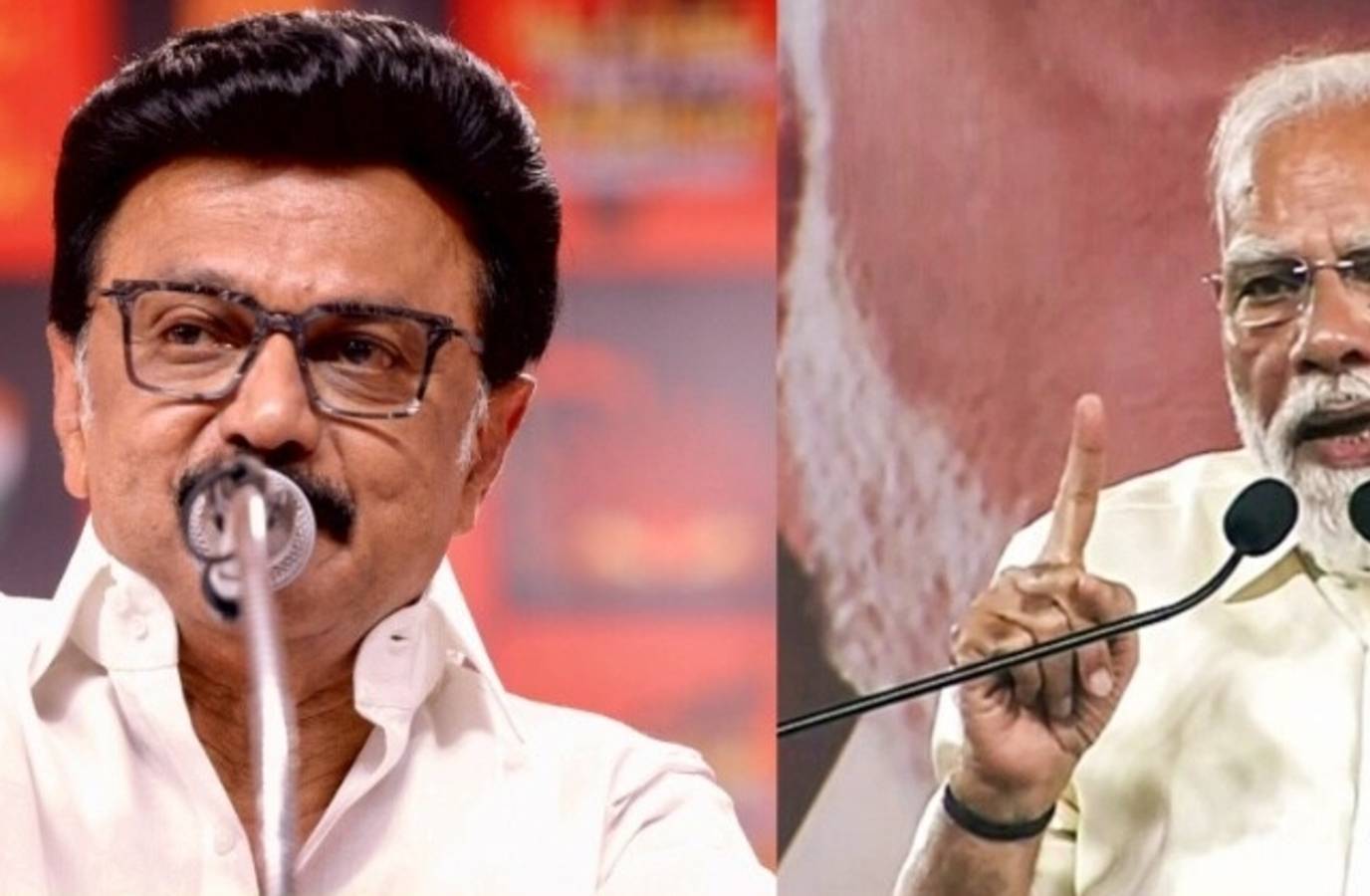
The MK Stalin-led Dravida Munnetra Kazhagam (DMK) government has made it clear that the state will never accept the three-language policy, while the Centre has defended the National Education Policy (NEP 2020), saying it does not intend to impose Hindi on any state.
The debate has its roots in the 1930s, when the Indian National Congress, led by C Rajagopalachari, introduced Hindi as the language of instruction in secondary schools, triggering protests led by EV Ramasamy, also known as Periyar, and the then-opposition Justice Party.
The protests turned violent in some places, resulting in the deaths of some protestors, and the then-British Governor, Lord Erskine, labelled Rajaji as too domineering and oppressive.
The language debate resurfaced in the post-Independence era, with the Congress-led Union government making Hindi the official language of India in 1965, leading to riots and agitations in Tamil Nadu.
The DMK, which was formed in 1949, successfully embedded Tamil nationalism among the state's people, and the then-Prime Minister Lal Bahadur Shastri assured that English would continue as the official language as long as the non-Hindi-speaking states wanted.
The three-language formula was first proposed in 1964-66 by the Education Commission, and it was formally adopted by the Centre in 1986, but the DMK has continued to oppose it, fearing Hindi imposition.
Fast forward to 2020, the revised National Education Policy was introduced, which followed the Third Language Bill, 2020, but the DMK refused to implement some key aspects of the policy, particularly the three-language formula, leading the Centre to withhold ₹573 crore in central education assistance.
Today, the 'Hindi imposition' debate has become a key issue ahead of the 2026 assembly elections, with the DMK accusing the Centre of imposing Hindi in the state, while the Centre has defended the policy, saying it prioritises the mother tongue and does not impose Hindi on anyone.