Telangana's 2047 Vision Aligns with National Goal of Viksit Bharat: Governor

Image Source: Internet
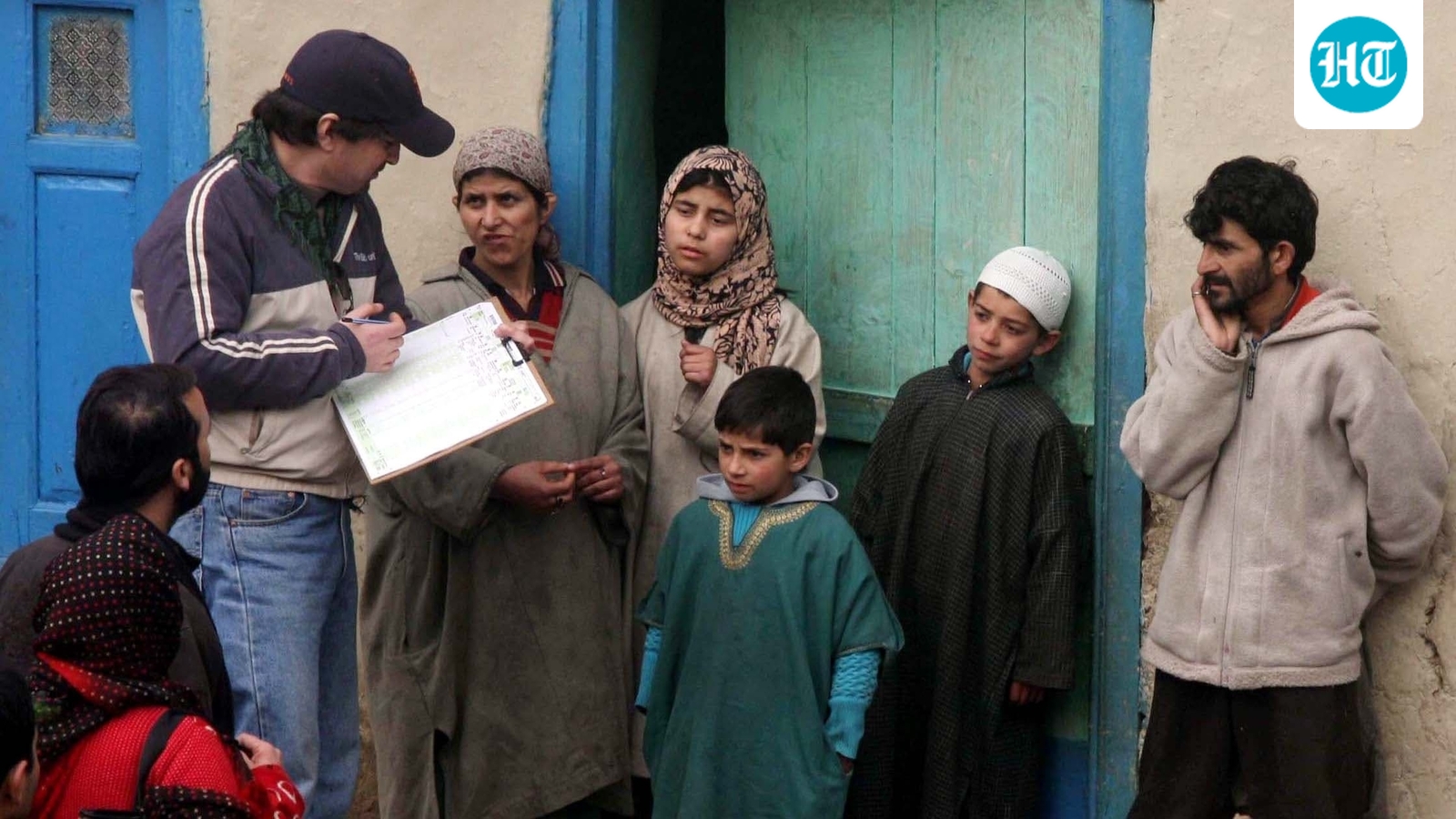
Telangana Governor Jishnu Dev Varma emphasized that the state government's 'Telangana Rising Vision 2047' is aligned with the national goal of Viksit Bharat. This comprehensive document aims to achieve inclusive and sustainable development, with a target of making the state a $3 trillion economy by 2047. To achieve this, the state has proposed a three-zone economic framework: CURE (Core Urban Region Economy), PURE (Peri Urban Region Economy), and RARE (Rural Agriculture Regional Economy). Major infrastructure projects include greenfield highways, metro expansion, dry ports, industrial corridors, and new airports in Warangal and Adilabad. The governor highlighted the state's welfare initiatives, including the waiver of farm loans up to ₹2 lakh, benefiting 2.6 million farmers. The state has also procured 7.2 million metric tonnes of crops during the current Kharif season, with payments of over ₹17,000 crore. Additionally, the Dharani portal has been replaced with the Bhu Bharati Act to address land disputes. Varma also mentioned that over 62,749 people have been provided jobs through various recruitment drives. New initiatives such as the Digital Employment Exchange of Telangana (DEET) and the Young India Skill University aim to boost employability. The governor noted that the state has made significant investments in health infrastructure, including a new Osmania General Hospital building costing ₹2,700 crore. Telangana is also taking steps to empower women, including free bus travel, the Mahalakshmi Scheme, and financial linkages worth ₹40,000 crore under the Indira Mahila Shakti Mission. The state has also undertaken a caste and socio-economic survey for social justice. Telangana is the only state supplying fine rice free of cost to over 10.3 million families. Large-scale housing under the Indiramma Indlu scheme has been sanctioned, with 450,000 houses in Phase-1. Urban development plans, such as the Bharat Future City and Musi Riverfront restoration, are also underway, with a goal of generating 20,000 MW of renewable energy by 2030.