Uddhav Thackeray's Grip on Mumbai Slips: A Turning Point for Shiv Sena and BJP
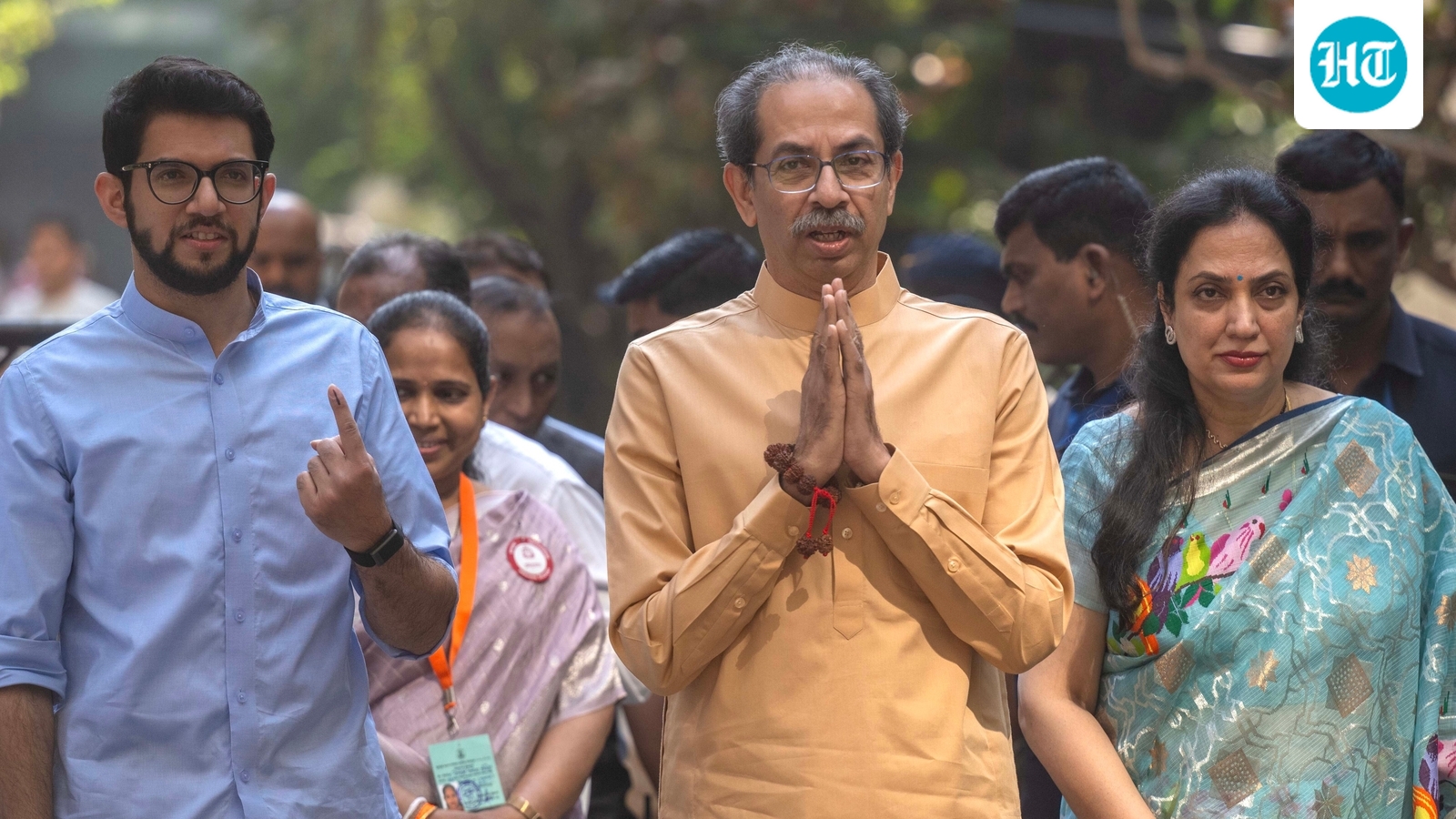
Image Source: Internet
A seismic shift in India's politics has occurred with the BJP emerging as the single-largest force in the Brihanmumbai Municipal Corporation (BMC) election, marking a significant setback for Uddhav Thackeray and the Shiv Sena (Uddhav Balasaheb Thackeray). For the first time, the BMC, which governs India's financial capital, will be run by the BJP. The party secured 89 seats in the 227-member house, while the ruling Mahayuti swept 23 of Maharashtra's 29 municipal corporations. This outcome strengthens Chief Minister Devendra Fadnavis and solidifies the BJP's grip on urban governance. Uddhav Thackeray's strategy, focusing on nativist rhetoric and grassroots outreach, helped the Shiv Sena (UBT) retain pockets in south-central Mumbai. However, the party lost control of the BMC, finishing with 65 seats. This loss is a significant blow, as the BMC had provided the Shiv Sena with unparalleled access to patronage networks, visibility, and organisational strength for decades. Despite this setback, Uddhav Thackeray's party has managed to hold its ground in Mumbai, with the Sena (UBT) performing better than its rival faction led by Eknath Shinde. Thackeray's leadership in the city reinforces his claim to the Shiv Sena's legacy. The loss of the BMC is a structural blow for the Shiv Sena (UBT), which faces a future with reduced resources and leverage. However, the results also reshape the Opposition space, with Thackeray emerging as the de facto Opposition leader in Mumbai. To remain relevant, Uddhav Thackeray will need to reimagine the Sena (UBT)'s politics, broadening its appeal beyond the core Marathi voter and rebuilding a coalition capable of taking on the BJP. This BMC result serves as a moment of reckoning for Thackeray, who must now navigate a narrow platform to attempt a political reset.