Upper Caste Revival in Bihar: A Shift in Electoral Strategy Amid Mandal Hub Dominance
For the first time since 1990, the BJP and Congress give forward caste candidates a leg up in a state; JD(U), too, increases its share | India News
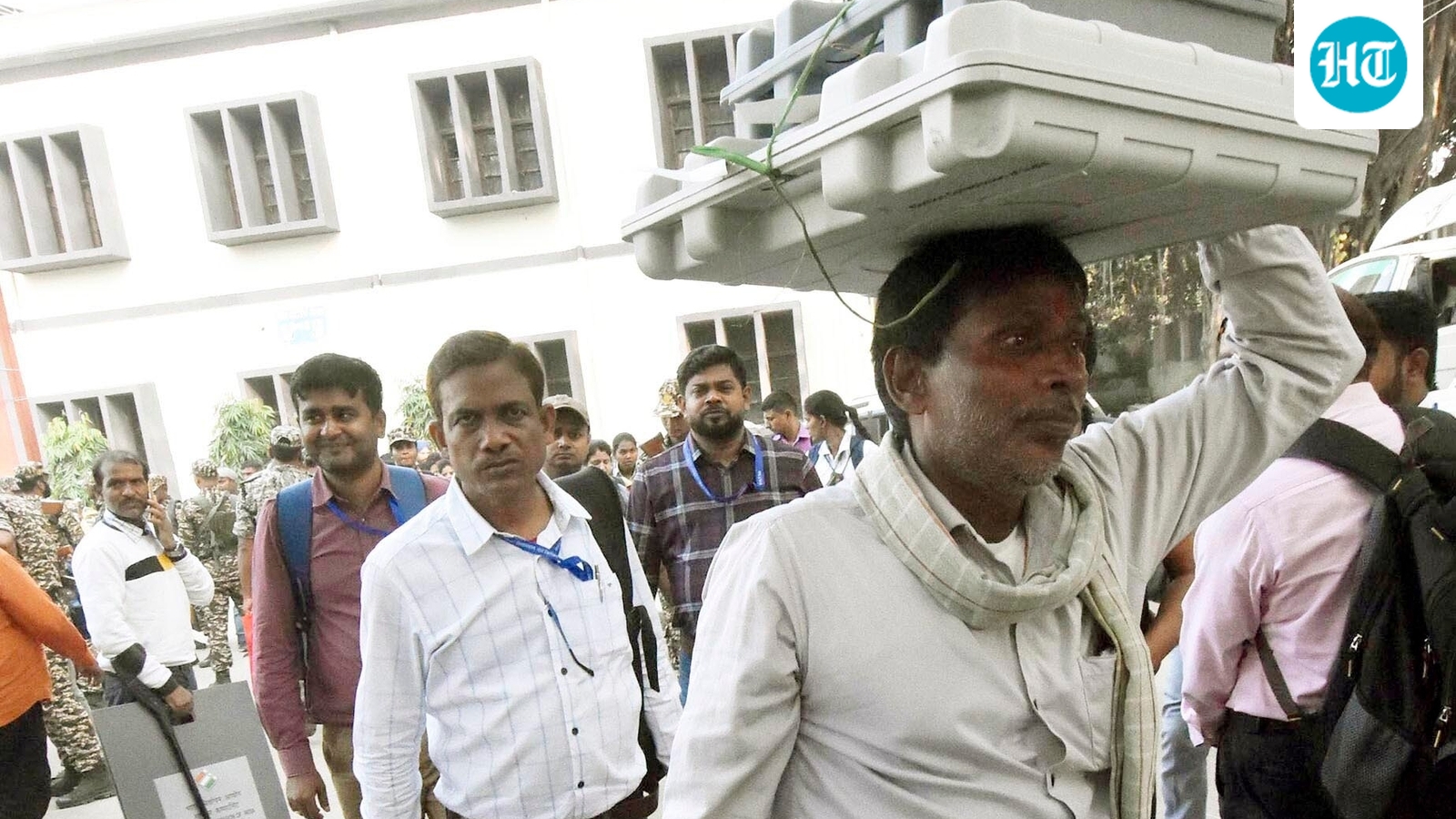
Bihar, a state known for its high percentage of Other Backward Classes (OBCs) and Extremely Backward Classes (EBCs), has historically been a hub for backward class politics. However, the recent distribution of tickets for the ongoing assembly elections by major political parties suggests a notable shift in strategy, with upper caste candidates gaining prominence.
According to data, the Bharatiya Janata Party (BJP) has nominated a significant number of upper caste candidates, including 21 Rajputs, 16 Bhumihars, 11 Brahmins, and 1 Kayasth, out of its total 101 candidates. This is a notable increase from previous elections, where upper caste candidates were relatively marginalized.
The JD(U), a key alliance partner of the BJP, has also increased its nomination of upper caste candidates, with 22 out of its 101 candidates coming from the upper caste community. This is a significant departure from the party's historical reliance on the support base of EBCs, OBCs, and Dalits.
The Congress, which is attempting a comeback in the state, has also fielded a significant number of upper caste candidates, including 11 Bhumihars, 9 Brahmins, and 9 Rajputs. The Rashtriya Janata Dal (RJD), a key partner in the Mahagathbandhan, has also given tickets to 16 upper caste candidates, in an effort to maintain balance in the party's ticket distribution.
Analysts suggest that this shift in strategy is driven by a desire to broaden the party's appeal and consolidate a wider range of votes within the NDA. The Prashant Kishor factor, who has been known to influence voting patterns in the state, may also be contributing to this shift.
The data also highlights the demographic reality of Bihar, where upper castes constitute 15% of the population, Muslims account for around 16.9%, and Dalits make up 16%. The election results are expected to be closely watched, as they will provide insight into the state's complex caste dynamics and the impact of this shift in electoral strategy on the outcome of the election.