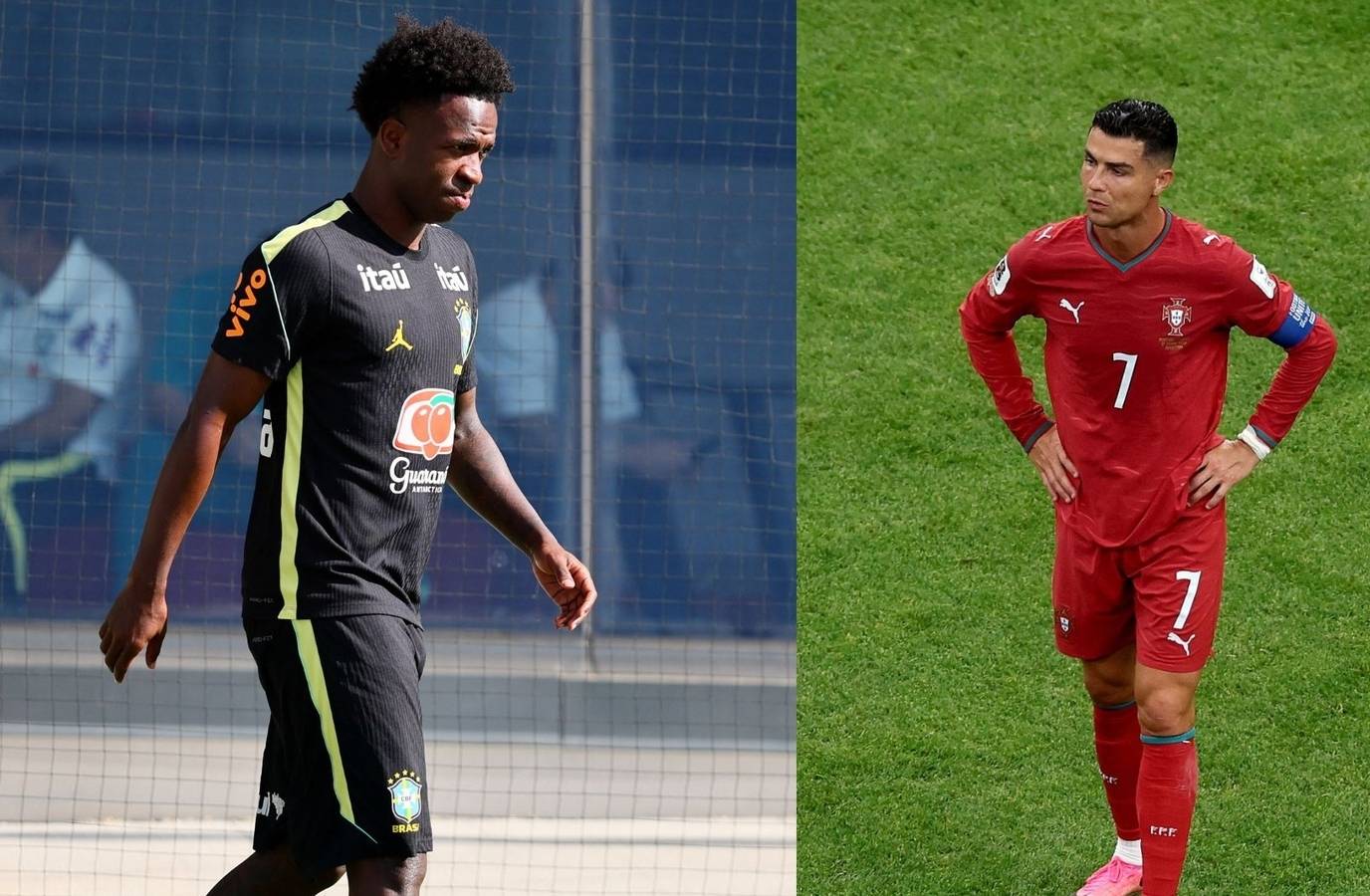
Carlo Ancelotti claimed that star power alone will not decide the FIFA World Cup, warning that intensity, aggression, and collective discipline could prove more important than reputation in this edition of the tournament.
Speaking at Brazil’s pre-match press conference ahead of their group-stage match against Haiti, Ancelotti said the early phase of the World Cup had already shown that football’s traditional hierarchy could be challenged by organised, fearless and physically committed teams.
“I think that the stars aren't going to determine this World Cup,” he said at yesterday's press conference.
“I've seen underdog teams that play football very well, a high-intensity style of football, and I think it's going to be a World Cup of high-intensity football,” he continued.
The statement carried particular weight in Brazil’s camp after their underwhelming start to the tournament. Brazil were held to a 1-1 draw by Morocco in their opening match, a result that immediately placed Ancelotti’s side under scrutiny.
For a team loaded with attacking names and carrying the historic weight of the yellow shirt, the performance was a reminder that aura alone will not be enough.
Brazil’s individual quality remains unquestioned, but Ancelotti’s message appeared aimed at shifting the conversation away from names and towards application.
The five-time world champions are expected to impose themselves against Haiti, but the coach made it clear that expectation cannot become entitlement.
Ancelotti warns Brazil over World Cup intensity
The Italian singled out Argentina as one team that has done well despite adopting a more patient approach, before doubling down on his assertion that tenacity could decide games.
“There are teams that have really stood out in this first part of the tournament. Fighting a lot, defending very aggressive with great intensity,” he added.
It was a revealing line from a coach who has built his career around managing elite dressing rooms and superstar players.
Ancelotti is not dismissing the value of individual brilliance. Instead, he is warning that the gap between favourites and underdogs has narrowed.
At a World Cup, where emotion, pressure and momentum can turn quickly, a team willing to run harder, press higher and defend with greater aggression can drag even the biggest names into uncomfortable territory.
Also Read: Achraf Hakimi to stand trial in rape case, PSG star breaks silence: ‘Easy target. Finally, I will be able to speak’
That is the challenge now facing Brazil. Their draw against Morocco did not destroy their campaign, but it did remove any illusion of a gentle route through the group. Haiti, beaten narrowly by Scotland in their opener, arrive with little external pressure and enough energy to trouble a Brazil side still looking for fluency.
Ancelotti’s comments also feel like a message to his own players. Brazil cannot wait for one superstar to rescue them. They cannot depend purely on moments from wide players, attacking midfielders or finishers.
The coach wants a side capable of matching opponents physically before expressing themselves technically.
For Brazil, the Haiti match is therefore not just about three points. It is about showing that they have absorbed the first warning of the tournament.
The World Cup may still be won by quality in the decisive moments, but Ancelotti’s point is blunt: quality will only matter if Brazil first survive the fight.