India's Rise to Global Sporting Prominence: A Decade of Transformation
India is now widely regarded as a dependable, high-capacity and athlete-centric host, one that delivers global standards with scale, efficiency and warmth, writes Union Sports and Youth Affairs Minister Mansukh Mandaviya
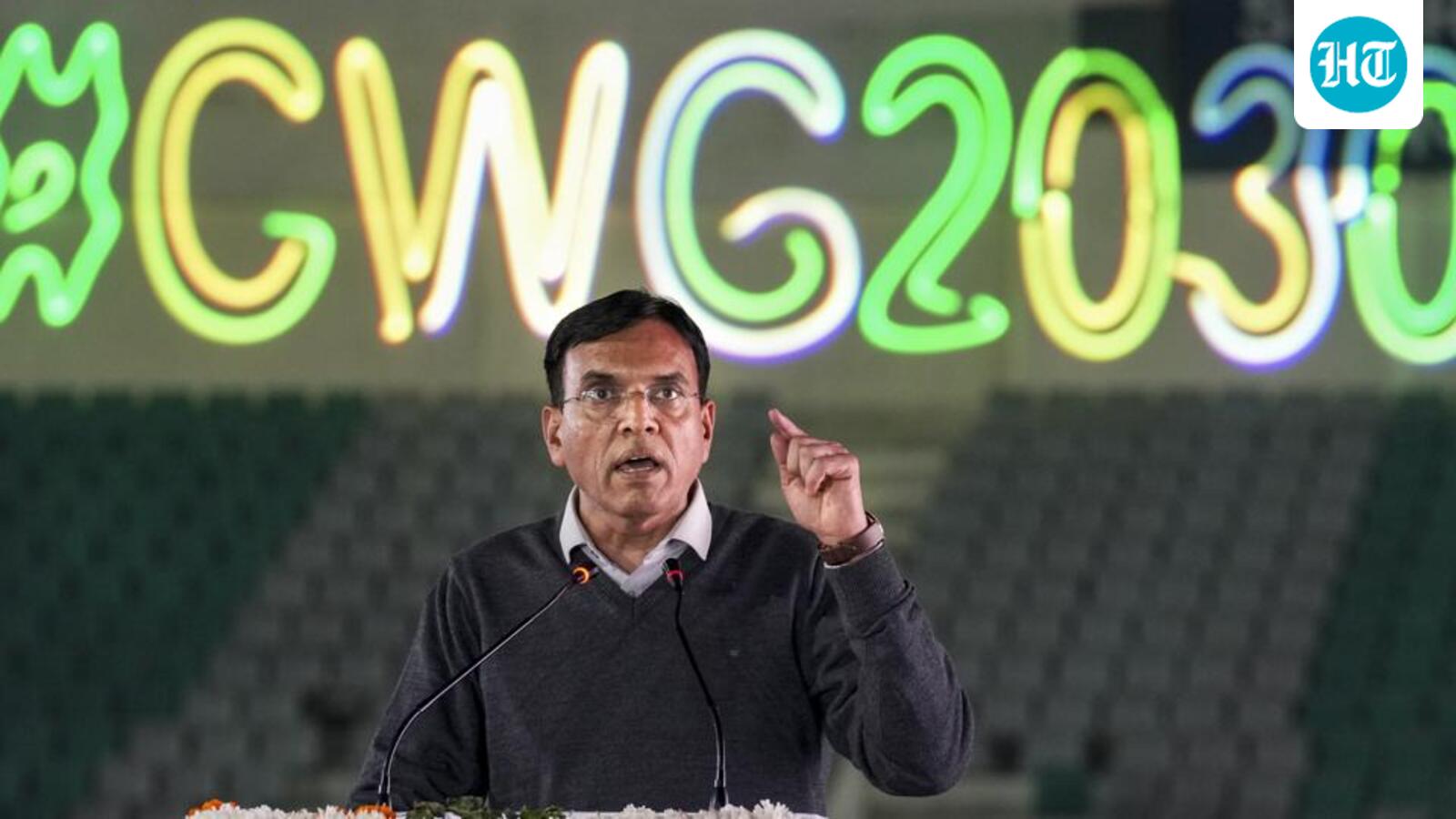
India's hosting of the 2030 Commonwealth Games marks a significant milestone in its journey to global sporting prominence. This achievement is a testament to the country's emergence as a trusted and preferred host for major international events, and a major step towards its long-term ambition of hosting the Olympic Games in 2036.
The international sporting community has taken notice of India's transformation over the past decade. The country has invested heavily in infrastructure, athlete development, and grassroots participation, resulting in a robust sporting ecosystem that spans every region of the country. India's macroeconomic stability, rising global economic ranking, and strengthened fiscal position have enabled a scale of investment in sport unmatched in the country's history.
The allocation for the Ministry of Youth Affairs and Sports has increased from ₹1,093 crore in 2013-14 to ₹3,794 crore in 2025-26, a 250 percent increase in just over a decade. This surge in investment has powered a nationwide sporting resurgence, with initiatives such as Khelo India and the Asmita Women's League expanding grassroots development across states. Over 1,050 Khelo India Centres have been established, providing district-level access to coaching and facilities.
India has also built robust high-performance pathways through the Target Olympic Podium Scheme and the Target Asian Games Group, offering top-tier training, sports science, nutrition, and global exposure. The country has invested in over 350 major sports facilities, creating an ecosystem that can support world-class competitions. Much of this infrastructure will be sustainable and geared towards long-term athlete development.
India's hosting capability is evident from its track record, having delivered 22 major international sporting events across more than 20 cities in the past decade. The country will further consolidate its multi-sport event experience with the World Police & Fire Games in 2029, ahead of CWG 2030.
At the heart of this transformation is the leadership of Prime Minister Shri Narendra Modi, who has elevated sport to a national priority and integrated it with the larger vision of Viksit Bharat 2047. Policy reforms such as the Khelo Bharat Niti and the National Sports Governance Act, 2025 have modernised governance structures, promoted transparency, and established an athlete-first approach that aligns with global best practices.
The announcement of India as the host of the 2030 Commonwealth Games is a culmination of years of sustained investment in infrastructure, athlete development, grassroots participation, governance reforms, and financial strengthening of the sports ecosystem. India has progressed from limited infrastructure and sporadic results to global standing, world-class facilities, consistent international performance, and a structured sporting ecosystem.
India stands ready to shine on the global stage as one of the world's leading sporting nations, economically, institutionally, and sportingly.