IFFI 2025: Vidhu Vinod Chopra's Blunt Truth to RD Burman That Changed Music History
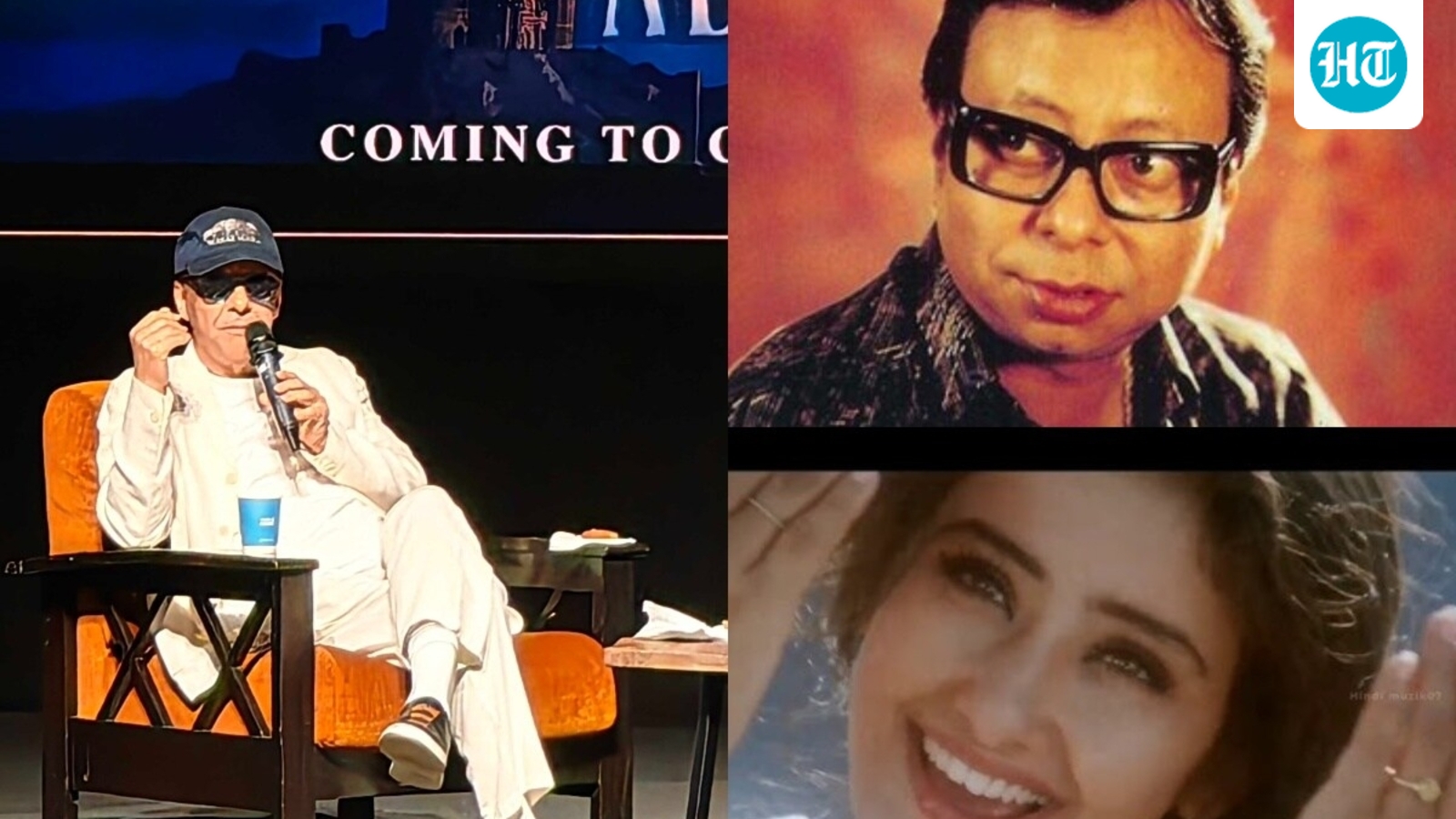
Image Source: Internet
At the 56th International Film Festival of India, filmmaker Vidhu Vinod Chopra shared some fascinating anecdotes from his career, including a memorable exchange with legendary music director RD Burman. Chopra revealed that he had initially dismissed Burman's composition for the film '1942: A Love Story,' calling it 'bulls**t.' However, this blunt feedback sparked a creative transformation, with Burman delivering a masterpiece that would become one of the iconic songs of Indian cinema. Chopra, known for his collaborations with Burman, recalled the story of how he had to convince the music director to create something extraordinary. He shared that music companies had initially rejected Burman's work, citing his declining health. Undeterred, Chopra encouraged Burman to push the boundaries of his creativity, which led to the creation of the song 'Kuchh Na Kaho.' The incident showcases the power of constructive feedback and the importance of taking risks in creative pursuits. Chopra's willingness to speak his mind and challenge Burman's initial composition ultimately led to the creation of a timeless classic. The story serves as a testament to the transformative power of collaboration and the impact that honest feedback can have on artistic expression. It's worth noting that Chopra's story also highlights the remarkable relationship between the filmmaker and the late music director. The two had a deep respect for each other's craft, and their collaboration resulted in some of the most iconic songs in Indian cinema. In another anecdote, Chopra shared a story about the film's assistant director, Sanjay Leela Bhansali, who had to spread breadcrumbs on a mountain top to attract birds for a scene in the film 'Pyaar Hua Chupke Se.' The scene, which was shot in 8K resolution, still brings joy to the filmmaker after 35 years. The session with Vidhu Vinod Chopra at IFFI 2025 was a treat for cinephiles, offering a glimpse into the world of Indian cinema and the creative processes of its pioneers.