McConaughey Takes Bold Step Against AI Misuse: Trademarks Himself to Protect His Identity
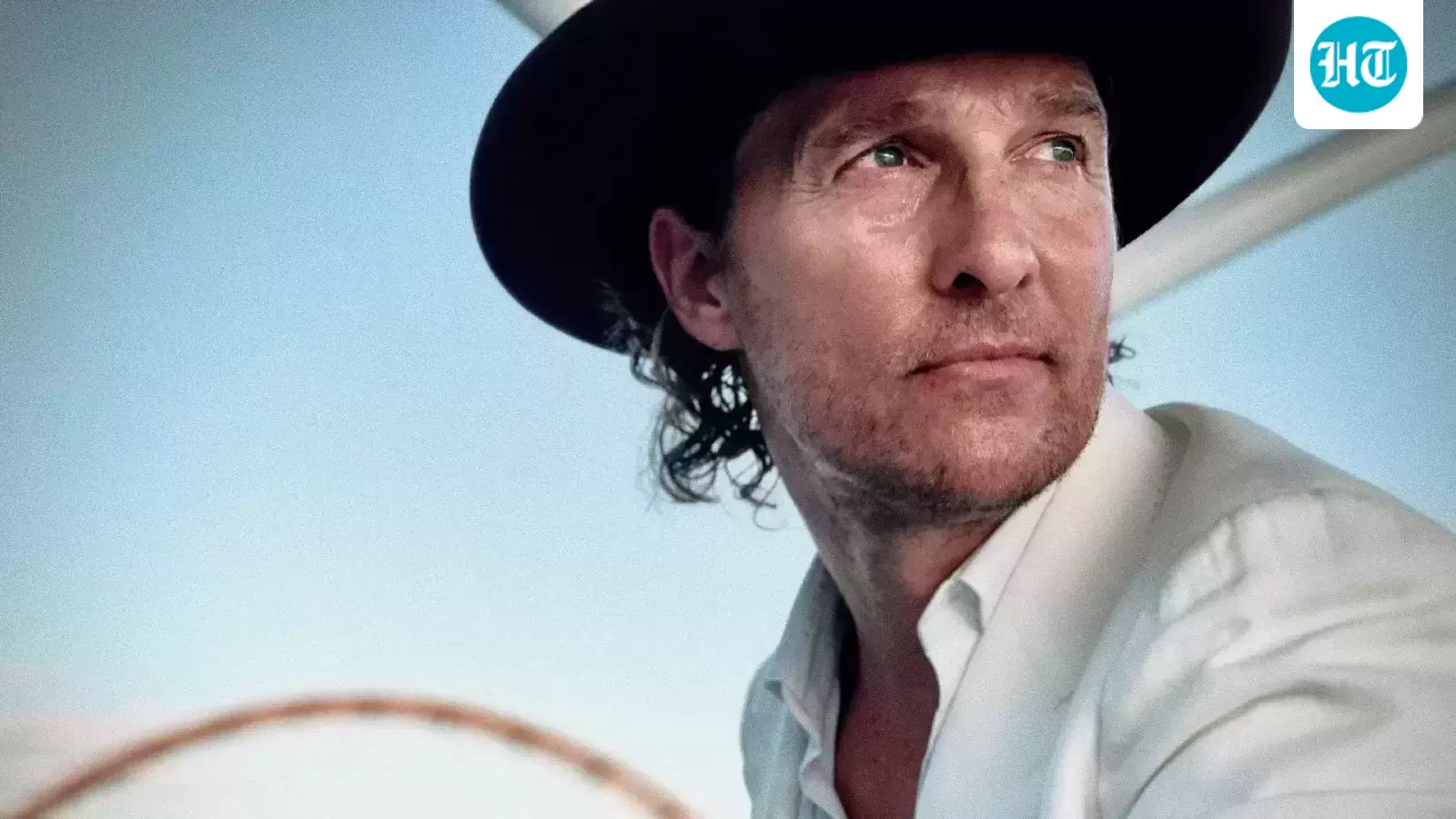
Image Source: Internet
In a pioneering move, Oscar-winning actor Matthew McConaughey has secured eight trademarks featuring himself to combat unauthorized artificial-intelligence fakes. The trademarks, approved by the U.S. Patent and Trademark Office, include audio and video clips of McConaughey, as well as his famous catchphrase 'Alright, alright, alright.' McConaughey aims to prevent AI apps and users from simulating his voice or likeness without permission, a growing concern for performers in the entertainment industry. His lawyers believe that these trademarks will serve as a deterrent against AI misuse and provide a clear path to federal court action. While state rights of publicity laws already protect actors from having their image or likeness stolen, McConaughey's lawyers argue that the threat of a lawsuit in federal courts will help combat AI-generated content more effectively. This move is unprecedented, with no other actor having secured broad trademarks on themselves, particularly in the age of AI. The actor's partnership with AI voice company ElevenLabs, in which he is an investor, has sparked concerns about the potential for AI-generated content to be used without permission. McConaughey's lawyers acknowledge that the outcome of any potential court battles is uncertain, but they are willing to test the waters to establish a clear precedent. As the law surrounding AI-generated content remains murky, McConaughey's move may set a precedent for other performers to follow. Hollywood unions and companies have supported legislation to ban AI-generated replicas of people without their permission, but a bill introduced in Congress in 2024 has yet to be voted on. McConaughey's trademarking of himself is a bold step in the fight against AI misuse, and it remains to be seen how the courts will interpret these trademarks. As the entertainment industry continues to grapple with the implications of AI-generated content, McConaughey's move serves as a reminder of the need for clear rules and regulations to protect performers' rights.