Cali, Colombia is at the center of the country's war on cocaine, with a surge in trafficking and violence leaving a trail of death and destruction in its wake.
Community activist Wilson Muñoz said a turf war over local drug markets has left a young dealer in intensive care after being shot in the face, while dismembered human remains have been dumped into local drainage canals.
The city has long been hard hit by violence, but a record supply of coca leaf has supercharged the flow of drugs and the intensity of violence, with cocaine now cheap enough for many locals to buy.
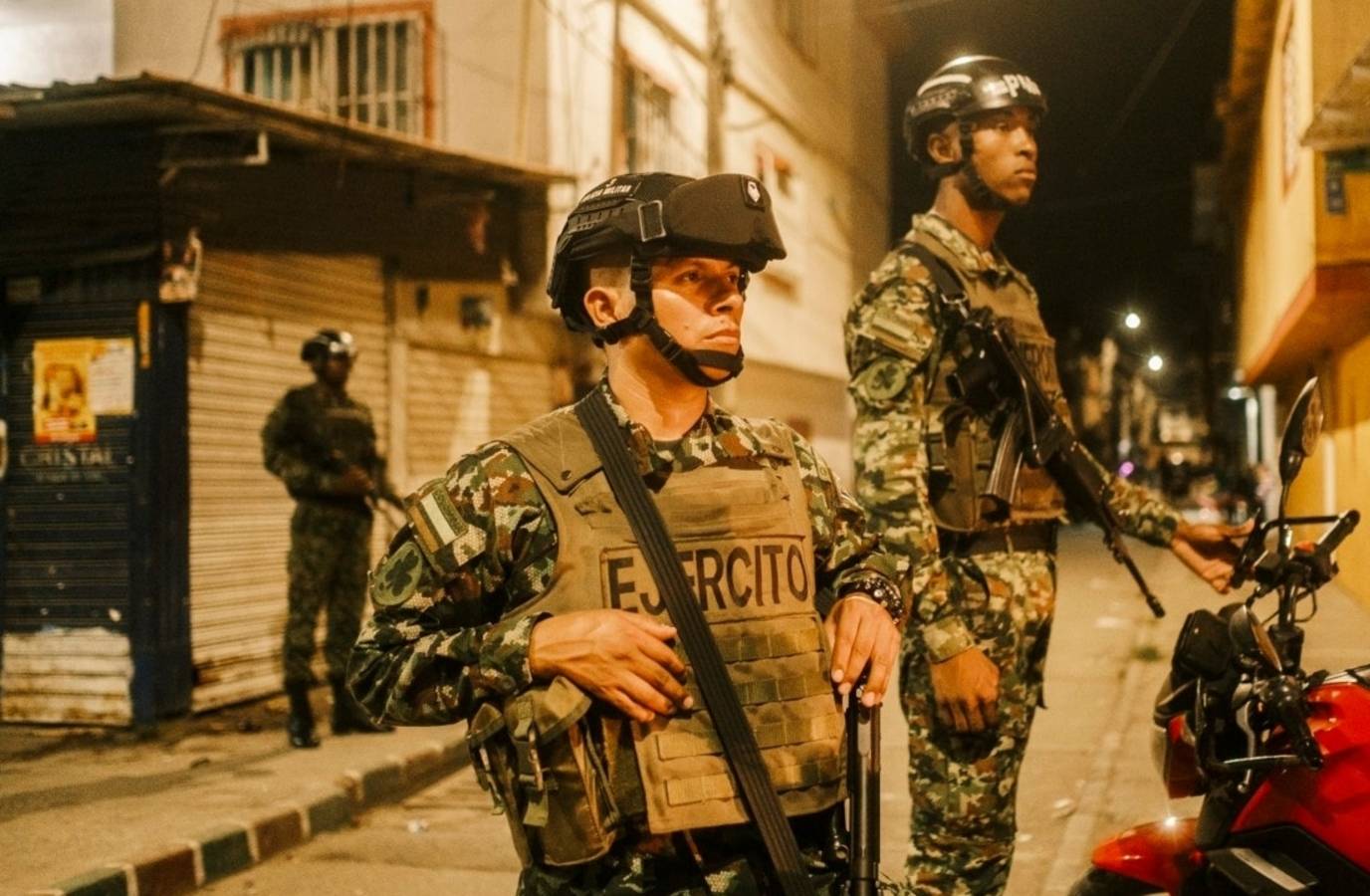
Local drug gangs are fighting deadly battles for neighborhoods, and security forces are increasingly facing violence as they try to clamp down on the strife.
The security fallout is driving a tense national debate ahead of Sunday's presidential election, with public anxiety over the growing power of armed gangs fueling support for a populist conservative lawyer.
Cali poses a difficult challenge for the next president, with no escaping its geography, and the city's struggle with narcotics syndicates is a multigenerational battle.
City officials said law enforcement alone can't match the financial allure of the drug trade for low-income youth, and a new approach balances increased security spending with targeted social programs.
The city's police force has expanded 14% and funding for surveillance cameras, vehicles and crime-prevention initiatives has jumped 30%, with a focus on infrastructure, schools and parks.
One such program, called On the Right Path, offers counseling, education and vocational training to former gang members and at-risk youth, with financing from industrial firms like Fanalca.
Similar business-backed coalitions are financing cultural-preservation programs, such as the Salsa Museum in the Workers Barrio, which provides musical instruments, job opportunities and neighborhood art tours to keep teenagers off the streets.