What does the good life look like in China? A loaded question, no doubt. For some it will elicit praise of safety, convenience and planning-minded leaders. Others will say that combination also entails repression, surveillance and a sluggish economy.
Chaguan decided to look at it from the vantage of “liveability,” by spending time in Shaoxing, a city judged as the country’s best in a popular newspaper index.
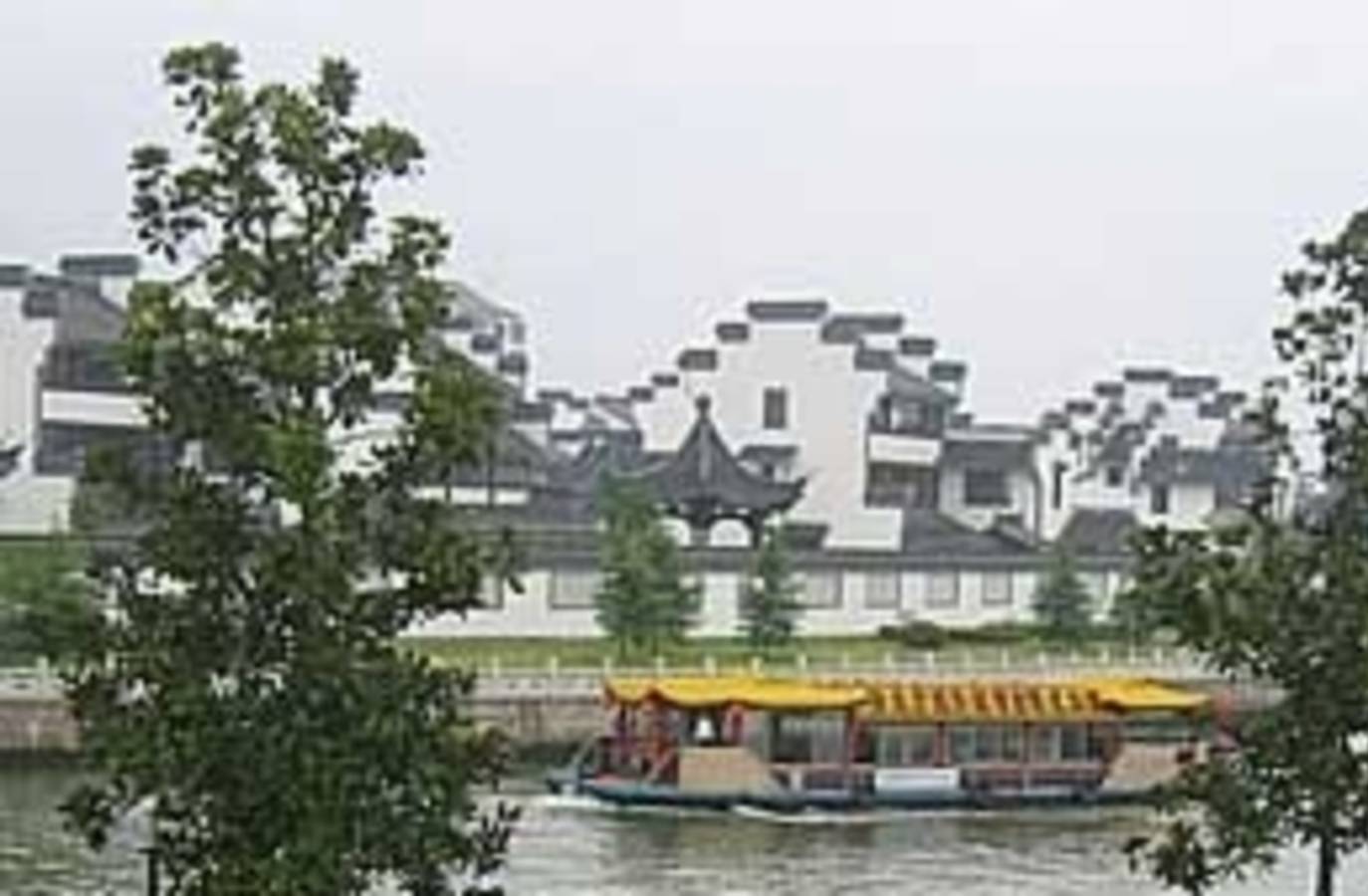
Shaoxing is indeed pleasant. An ancient capital built around canals, it is known today for its rice wine, a fragrant tipple, and as the hometown of Lu Xun, China’s most famous writer of the 20th century.
Locals, Shaoxing combines the ease of a smaller city (a population of 5m makes it “second tier” by Chinese standards) and the prosperity of the Yangtze River Delta.
Despite all its finer points, Shaoxing also reveals the economic and academic pressures that course through an ultra-competitive country, never far from the seemingly placid surface.
Many people like what is on offer in Shaoxing. Income per resident is about 76,700 yuan ($11,350) annually after tax, four-fifths of the average in nearby Shanghai.
But the average home in Shaoxing is one-quarter the price in Shanghai. Its population is steadily growing, pulling in about 30,000 people annually from elsewhere in the country.
Shaoxing exemplifies the physical improvements in Chinese urban spaces over the past decade. The city shaved down a pair of unsightly 12-storey towers to less than half their original height, transforming them into an elegant meteorology museum.
It cleaned polluted rivers. And it opened squares and pedestrian paths among old lanes.
Yet many residents approve, viewing them as a trade-off for safety. A 24-hour fishing shop recently opened downtown: unstaffed overnight, it relies on cameras inside and outside to ensure no one steals rods or bait.
With a big textile industry, high-tech companies and tourism, it offers plenty of jobs. But unlike China’s biggest cities, Shaoxing is welcoming to domestic migrants.
A couple on average local wages needs to work ten years to get a home in Shaoxing versus 30 in Shanghai.
None of this can insulate Shaoxing from national problems. Mr Ruan, a former construction engineer, estimates that a third of homes built in recent years are empty.
Shaoxing is open to migrants partly because of its sharply declining births. Fertility rates have collapsed nationally and are especially low in wealthier places.
The controlled narrowness of urban China also comes through in Shaoxing. It is a vision of the good life dictated by ageing cadres who leave little to chance.