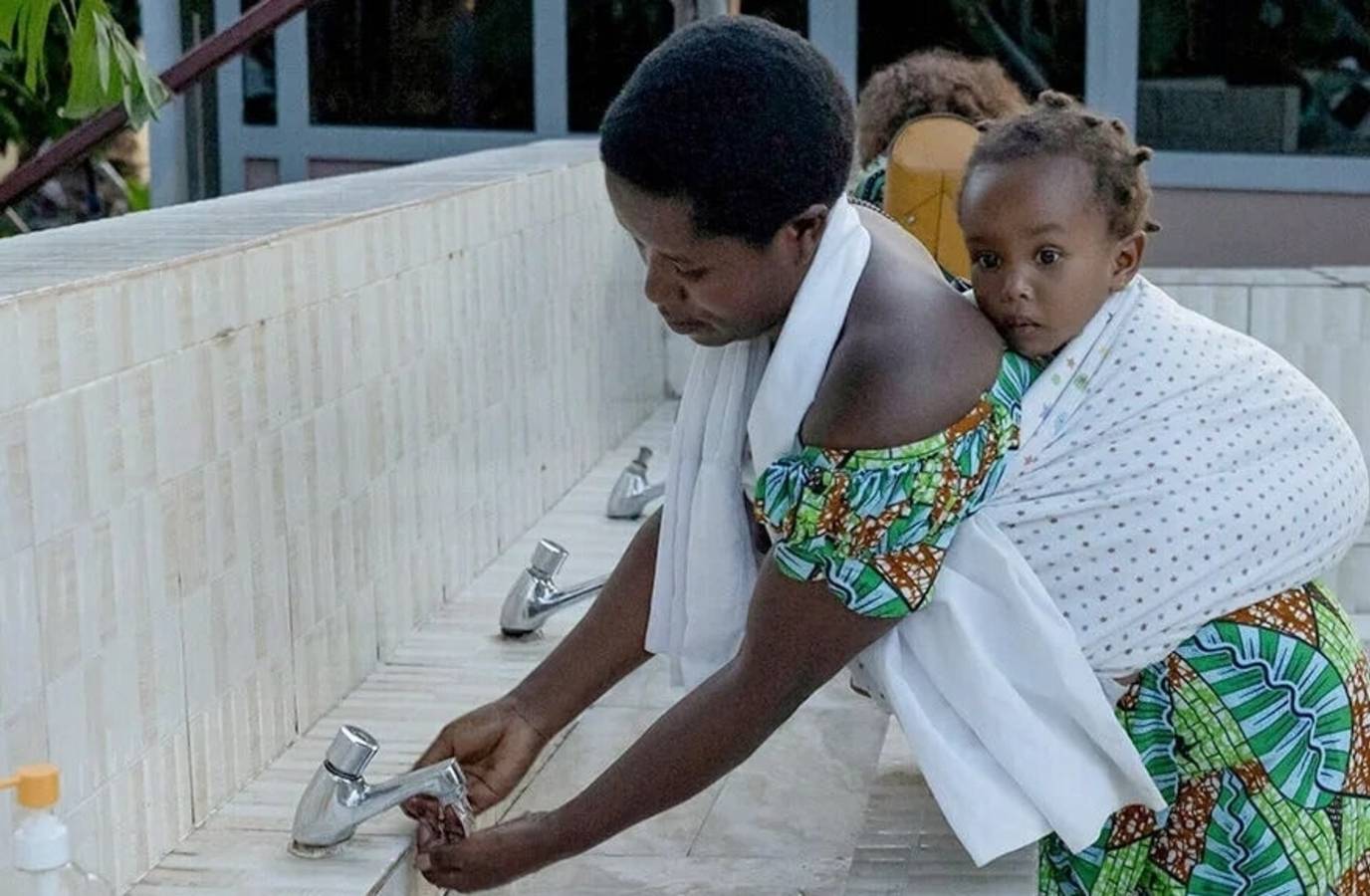
Every day, Aline Kasiwa, 28, fears she could catch the Ebola virus while caring for her sick mother in eastern Congo. She is not alone, as women in the region are often the first caregivers and are at higher risk of contracting the disease.
With no protective equipment beyond a cheap face mask, women like Kasiwa are exposed to the virus while caring for their loved ones, highlighting the need for better protection and support.
The current outbreak in eastern Congo has seen 344 confirmed cases and 60 deaths, with neighboring Uganda reporting 15 confirmed cases and one death.
History shows that previous Ebola outbreaks have affected women more, with 56% of deaths in the first recorded outbreak in the 1970s and two-thirds of reported cases in the 2018-2020 outbreak in Congo.
Women in eastern Congo communities are also preparing bodies for burial, putting them at risk of infection.
Health workers say the virus spreads along the lines of care-giving, domestic labor, front-line health work, and burial practices, making women more vulnerable.
Despite new arrivals of aid and better-organized health facilities, the virus continues to spread faster than the response, with Doctors Without Borders warning of the true scale and severity of the outbreak.