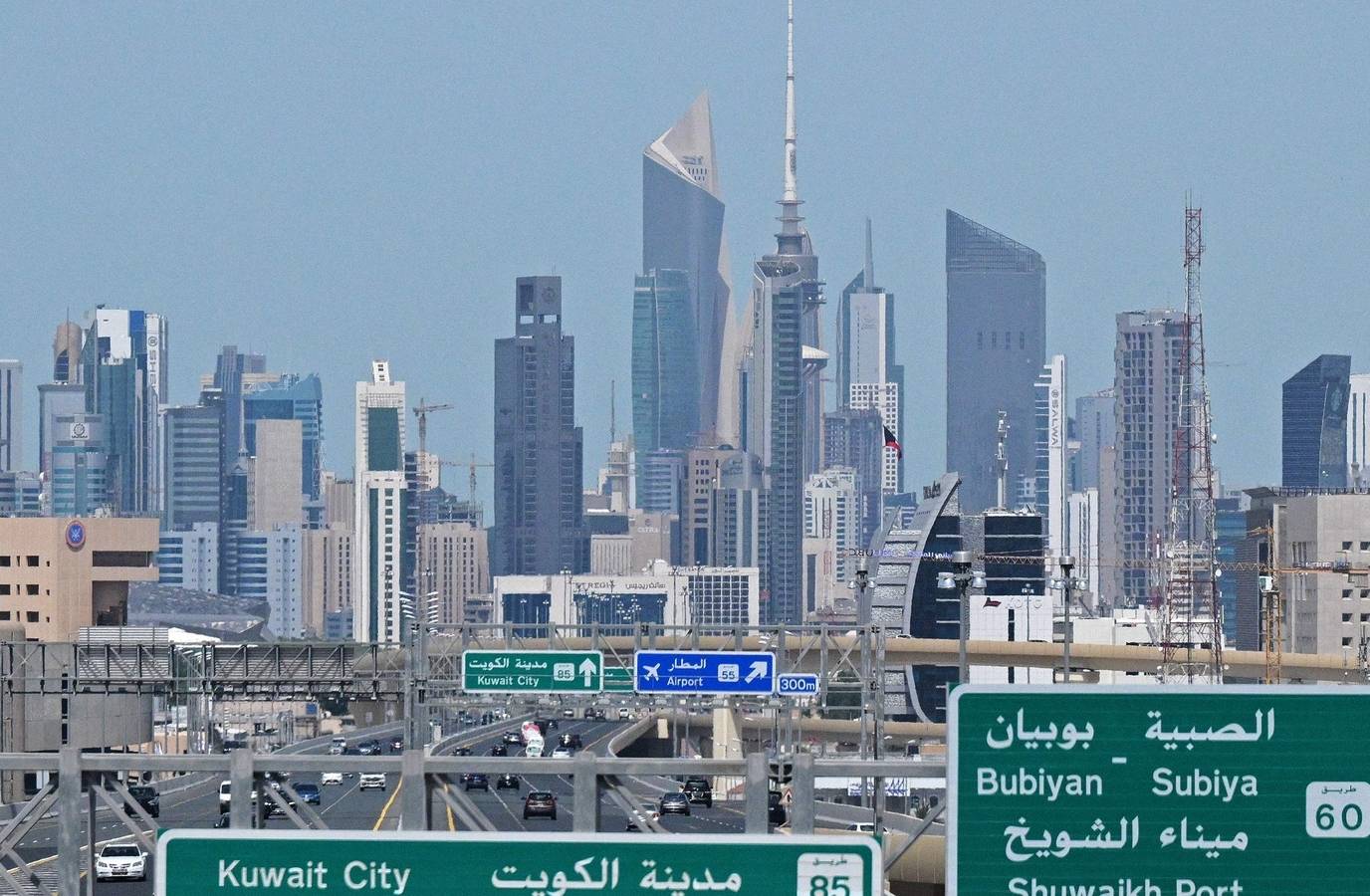
Kuwaitis have come to dread Thursdays, the day the latest list of citizens stripped of their nationality by the emir, Sheikh Mishal al-Sabah, is published. Rights monitors say he has deprived 70,000 people plus their dependants—about 16% of Kuwaitis—of their citizenship since May 2024.
Kuwait is not alone in the Gulf, where states face an unsettling strategic landscape: Iran and its militias in Iraq have lobbed missiles at them; Tehran’s control of the Strait of Hormuz is throttling oil and gas exports; America’s protection looks less reliable; and their business model is at risk.
Unable to overcome these threats, Gulf rulers seem set on proving they remain strongmen at home. Under the cover of war, they have introduced emergency measures akin to martial law. Across the Gulf, tens of thousands have lost their citizenship or been expelled. Over 1,000 people have been arrested, including expats in the United Arab Emirates (UAE) accused of filming missile attacks.
The UAE, home to hundreds of thousands of Iranians, has padlocked Iranian hospitals, schools and clubs. Iranian residents have been turned away, trying to return. “We should be desperate for people, given the exodus of foreigners during the war,” says a Kuwaiti royal. “They don’t see we are chasing our populations away.”
Oman stands apart, pursuing ties with Iran and seeking to capitalise on its position as one of only two Gulf states not entirely reliant on the strait. Its stockmarket has outshone the region over the past year, and expats are relocating there, including Iranians from the UAE and Qatar.