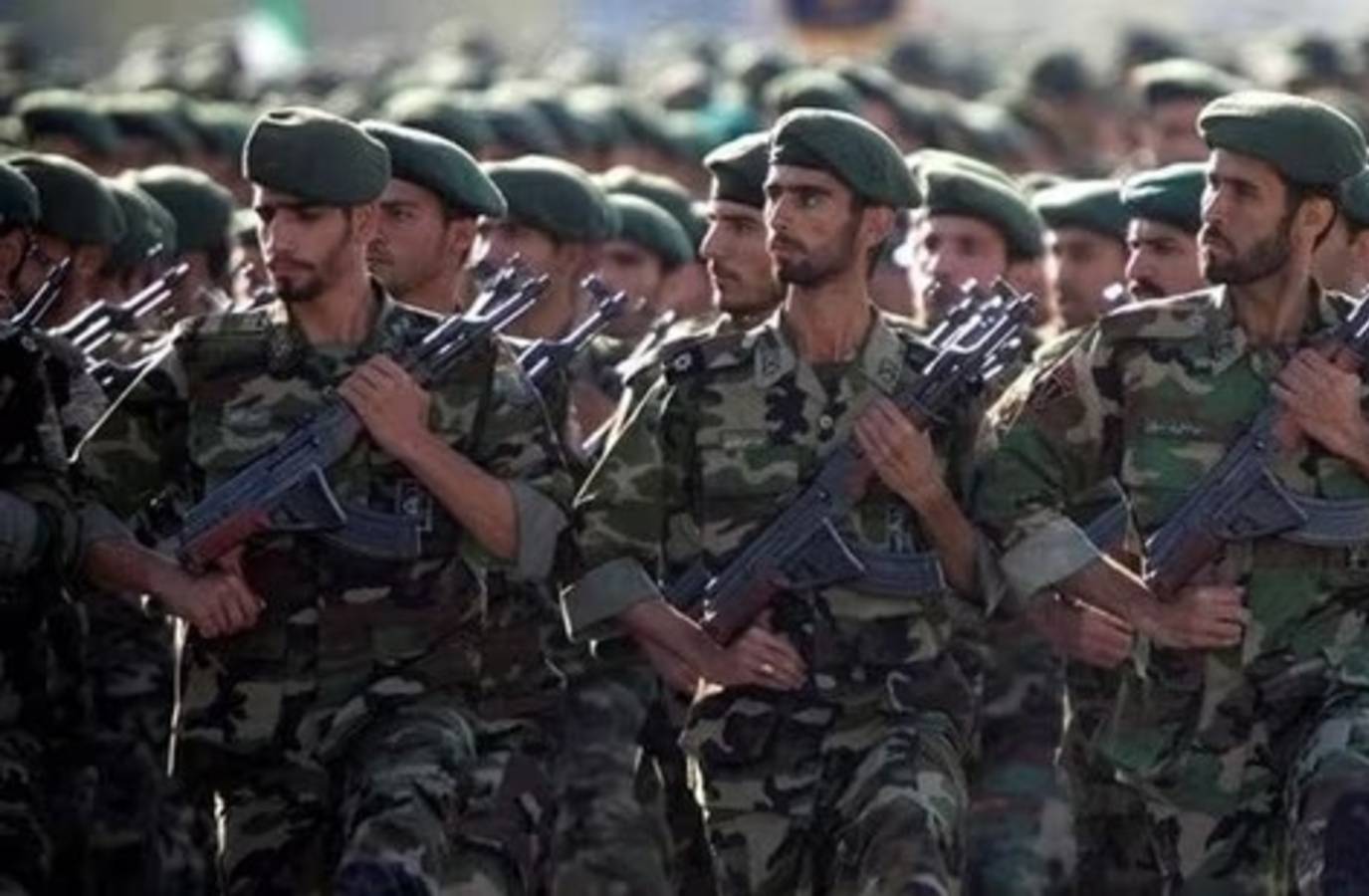
Iran's most powerful armed forces, the Islamic Revolutionary Guard Corps, have been at the centre of attention in the Middle East war. But where did the IRGC come from, and what is its current condition? The IRGC was formed in 1979 after the Islamic Revolution, with a mission to be a people's army. However, over time, it drifted away from its original mission, moving into construction, politics, terrorism, and organised crime.
The IRGC now employs over 180,000 people, with the Basij militia claiming 2.5 million members. The Quds Force, a terrorist and organised-crime organisation, operates throughout the Middle East and beyond. Despite its fearsome reputation, the IRGC is not a conventional army, and its structure is complex.
Corruption has spread through the IRGC, eroding loyalty among its rank and file. Some members are dissatisfied with the organisation's policies and its treatment of the people. A National Reconciliation Council could redirect the loyalty of the IRGC towards a more peaceful path.
Such a council could appoint a transitional government to administer the country, preparing a referendum on whether to continue with or dismantle the Islamic Republic system. The supreme leader has the power to create such a council, and could be persuaded to do so if pushed by America or other international organisations.
While some argue that the IRGC is too bound into the current system to accept radical change, internal assessments indicate that many members are dissatisfied and would leave the organisation if they could find better employment.