
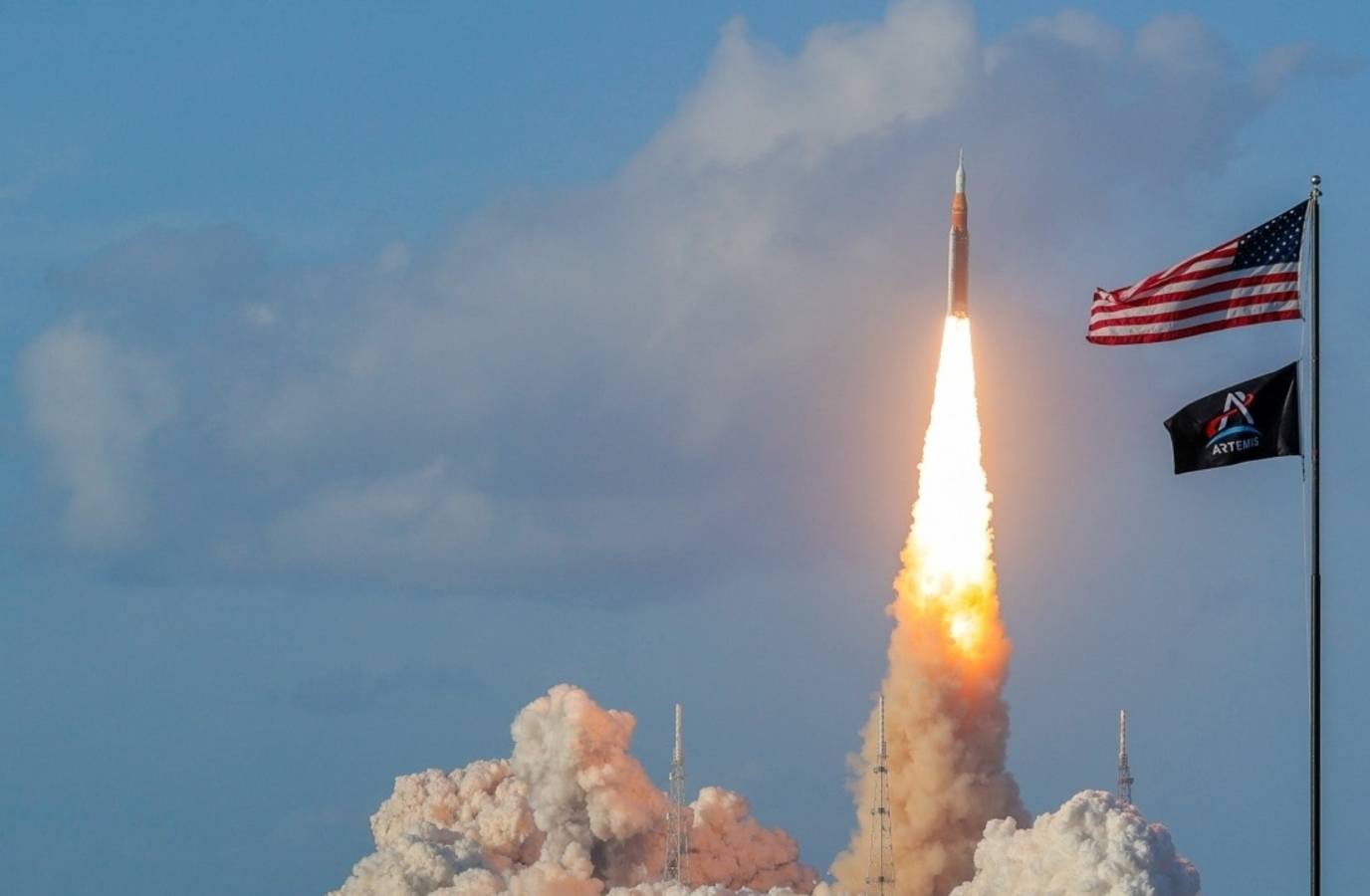
NASA has sent a new crew of astronauts on a 10-day journey to the moon as part of the Artemis II mission, marking a significant step towards human exploration of the lunar surface.
The mission, which includes a lunar flyby about 230,000 miles from Earth, is a crucial test for the Artemis program, which aims to return humans to the moon by 2028 and establish a sustainable presence on the lunar surface.
The ultimate goal of the Artemis program is to send humans to Mars and beyond, and the construction of a moon base on Artemis V is seen as a crucial step towards achieving this goal.
However, the success of the Artemis program depends on the continued support of the US government, which has historically prioritized social and welfare spending over space exploration.
With China planning to put astronauts on the moon by 2030, the US has a unique opportunity to recapture the spirit of the old space race and establish itself as a leader in human space exploration.