The Pentagon is racing to develop cheaper missiles to address its pricey production problem. The U.S. military is using nonstandard contracts and tasking defense contractors to design new weapons from scratch to cut years of production time and hundreds of millions of dollars off their cost.
One Army initiative, the Low-Cost Containerized Missiles program, aims to amass thousands of missiles fired from containers that can be moved around on vehicles. A key requirement for producers: Each missile fired must cost less than $500,000.
Another Army project has asked companies to develop air-defense missiles that cost less than $250,000 apiece. The newest Patriot surface-to-air interceptors from Lockheed Martin take more than two years to make and cost about $4 million each.
Military officials have said the newer initiatives won't soon replace top-shelf missiles from companies such as Lockheed and RTX, which U.S. forces have used and trained with for decades.
The less-expensive precision munitions address the U.S. military's longer-running problem: the contract competitions, design debates and budget battles that have mired Pentagon weapons programs with yearslong delays and cost overruns.
Government watchdogs have alleged that some defense contractors have overcharged the military for products and parts, and Republican and Democratic lawmakers have called for stricter oversight.
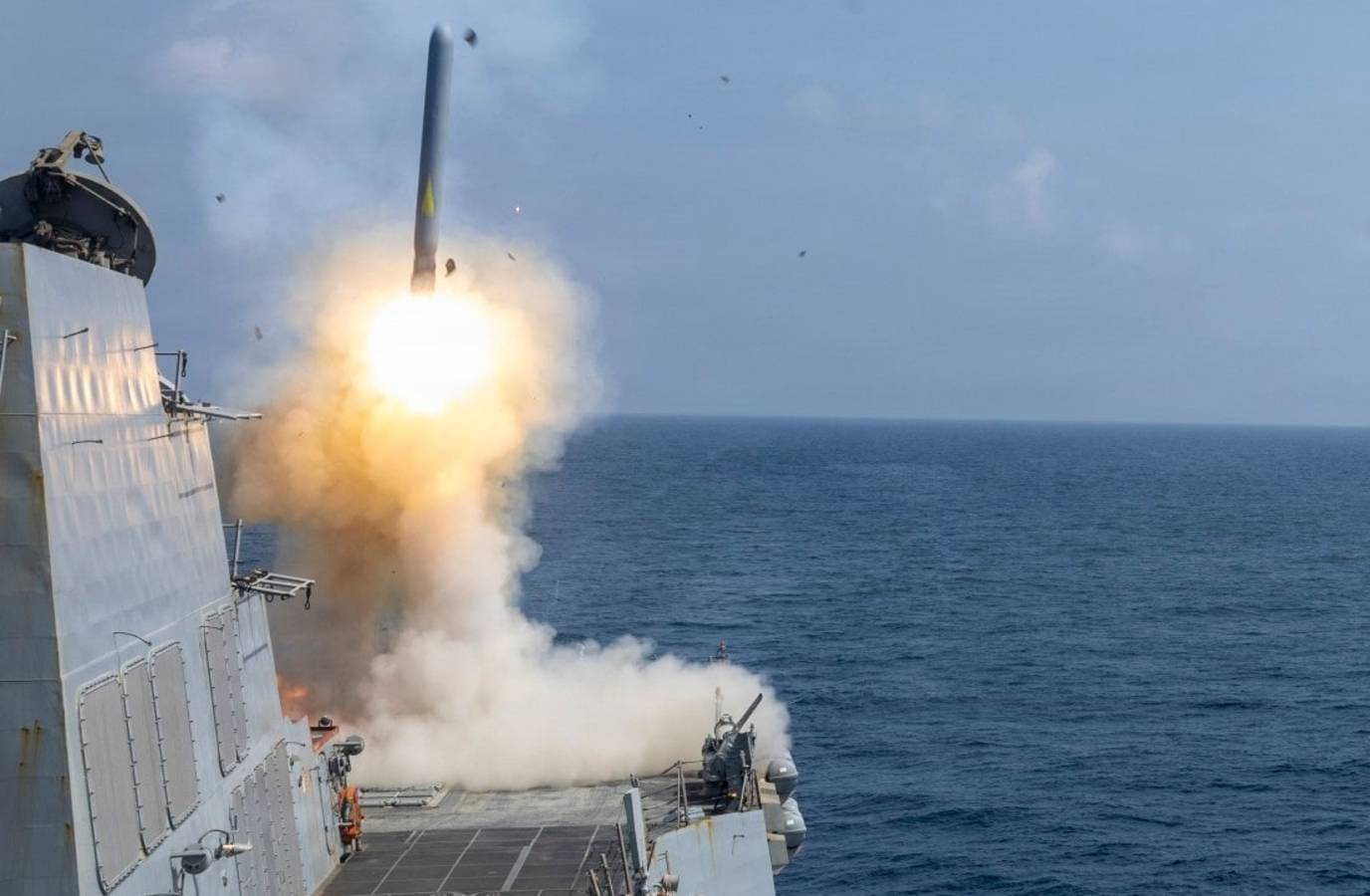
The U.S. has shot off more than 1,000 Tomahawk missiles this year in its war against Iran. The cost: at least $2.5 billion and climbing.