The Philippines has declared a national energy emergency due to the conflict in the Middle East, which is threatening fuel supplies and the country's economy.
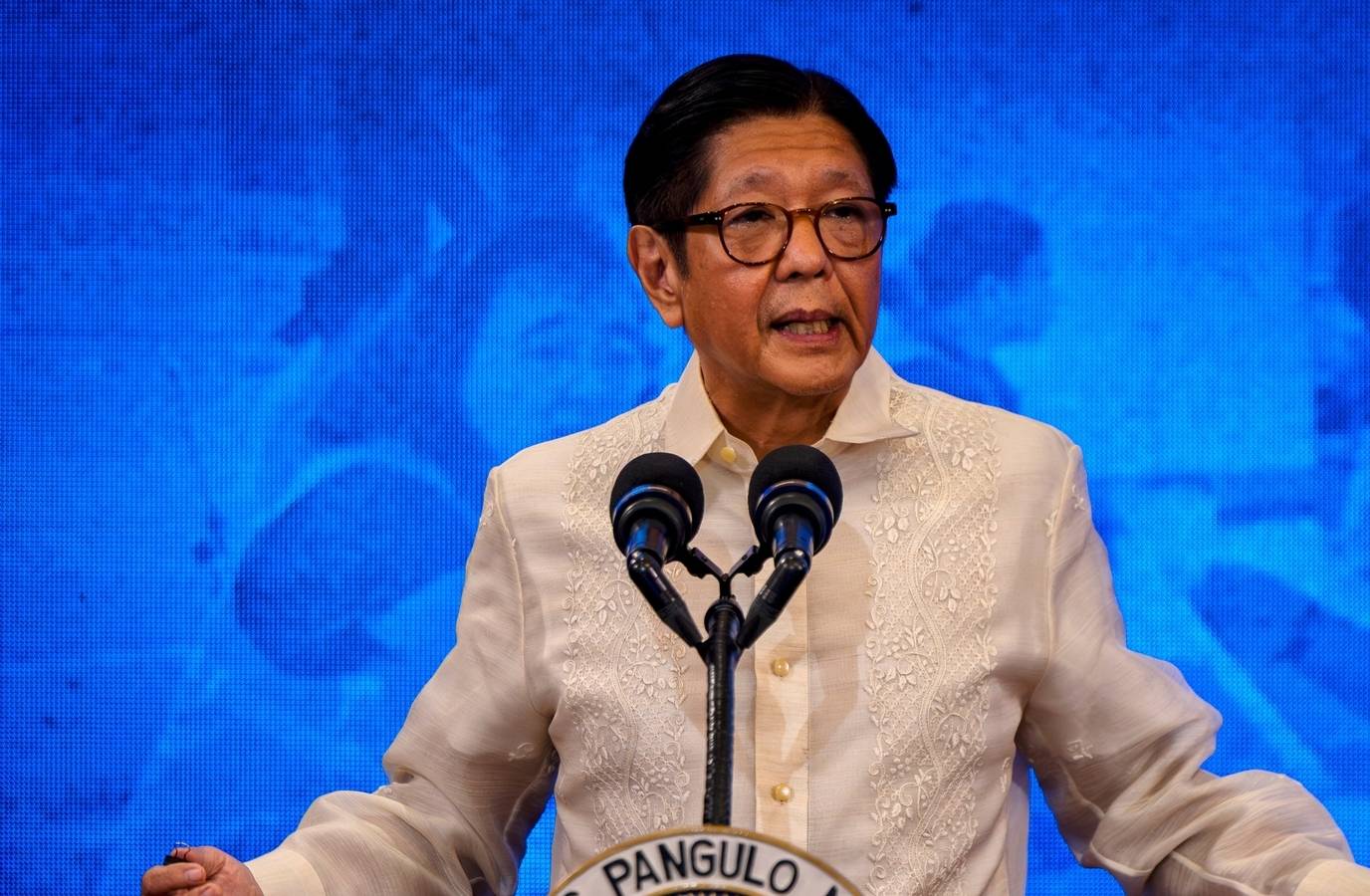
President Ferdinand Marcos Jr. issued an executive order stating that there is an 'imminent danger of a critically low energy supply' and that 'urgent measures are necessary' to ensure the stability of energy supplies, continuity of economic activity, and the delivery of essential services.
The last time the Philippines declared a state of national emergency was during the Covid pandemic in 2020, when the country implemented one of the world's strictest lockdowns.
The Philippines imports nearly all of its oil from the Middle East and has 45 days worth of oil supplies as of March 20. The country's peso has slumped 4% this month, and stocks have slid about 9%.
Under a state of emergency, the president will form a committee to ensure the availability of fuel, food, medicines, agricultural products, and other essentials. The committee will also oversee energy management measures and support for consumers and affected sectors.
The Department of Energy is directed to take measures to conserve energy and prevent hoarding. State energy firms are authorized to procure fuel and petroleum products and advance a payment exceeding 15% of the contract amount.
The declaration of national energy emergency will be in force for one year unless extended or lifted by the president.