The Persian Gulf has long been a crucial waterway, with various powers vying for control. Iran has historically dominated the region, except when weakened by internal strife or challenged by an outside power. Oman, which has sought to improve relations with Iran, may agree to establish a tolling regimen with Tehran for ships passing through the Strait of Hormuz.
The US has been a reluctant hegemon in the Gulf, enlisting local allies to protect the waterway after the British departure in 1971. However, the policy of 'twin pillars' relying on Saudi Arabia and Iran proved unsuccessful, and the US was forced to take charge. The Gulf was menaced by the Soviet Union and revisionist regional actors, and the US Navy played a crucial role in keeping the waterway open during the Iran-Iraq war.
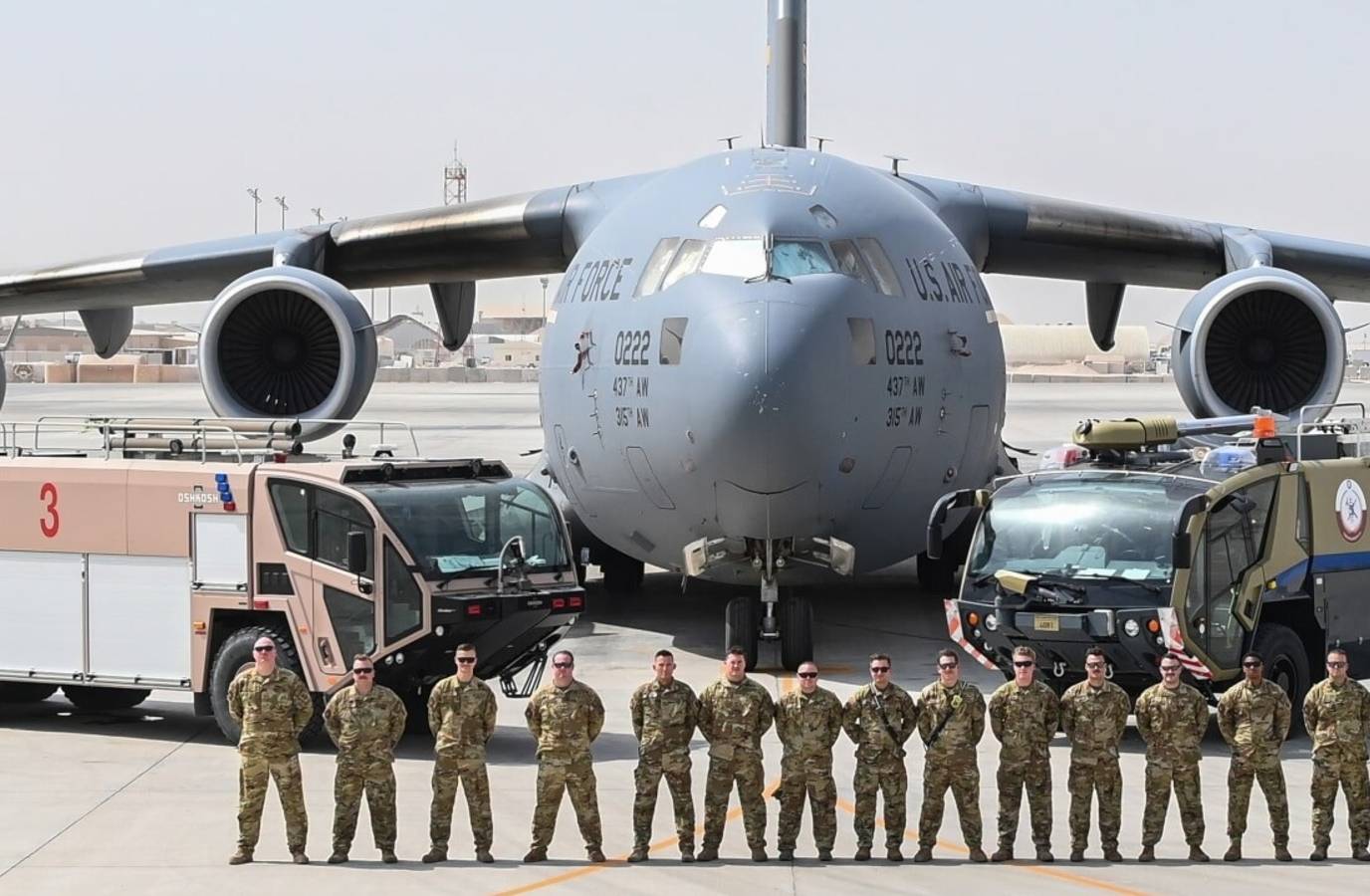
Today, the Islamic Republic poses a significant threat to regional stability, and the US must maintain its bases in the Gulf and Iraq to deter Tehran's aggression. The Trump administration's hesitancy to thwart Iran's bid for supremacy over Hormuz has emboldened the Islamic Republic, and its rulers sense the end of American hegemony.
The US must commit to waiting out the Islamic Republic's internal problems and maintain its bases in the Middle East to prevent a regional, if not global, rout. This is the last line of defense against Iran's aggression, and the US must be willing to take the necessary steps to protect its interests and those of its allies.