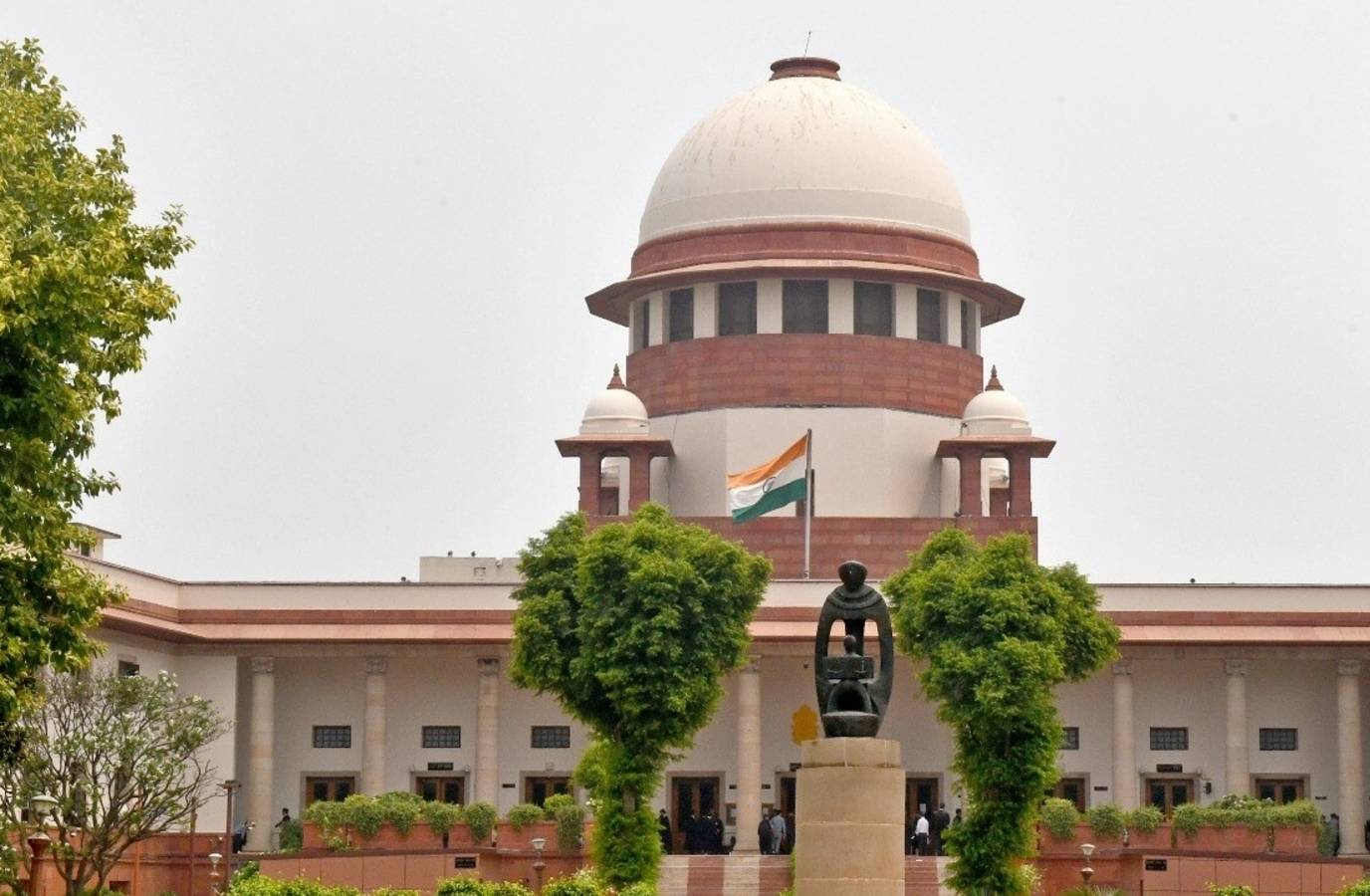
The Supreme Court of India has proposed a comprehensive framework for the use of Artificial Intelligence (AI) in courts, aiming to balance innovation with judicial independence and human judgment.
The draft regulations, titled 'Regulations for Use of Artificial Intelligence (AI) in Courts, 2026,' are designed to address the increasing use of AI in judicial processes worldwide.
The framework emphasizes 'human primacy and judicial independence,' stating that AI must remain 'strictly subservient' to human judgment and judicial authority.
The regulations prohibit AI from deciding cases, passing sentences, or judicial outcomes through algorithmic decision-making, and require judges to scrutinize AI-assisted outputs.
The draft also recognizes concerns about 'black-box' systems and bars the use of opaque or unexplainable AI systems in matters affecting legal rights or personal liberty.
The proposed regulations permit AI-assisted functions to improve efficiency and access to justice, including legal research, citation verification, and translation.
However, AI cannot be used to assess flight risk, predict recidivism, or evaluate the credibility of witnesses and parties.
The regulations also impose accountability on lawyers and litigants who use AI for preparing pleadings and documents, requiring them to disclose AI-generated content and verify its accuracy.
A permanent apex body and specialized committees are proposed to govern AI in courts, with a Centre of Research and Excellence on Artificial Intelligence (CoRE-AI) to provide technical and legal support.
The draft regulations aim to establish constitutional guardrails for AI adoption in the Indian judiciary, recognizing both the benefits and risks of AI in judicial processes.