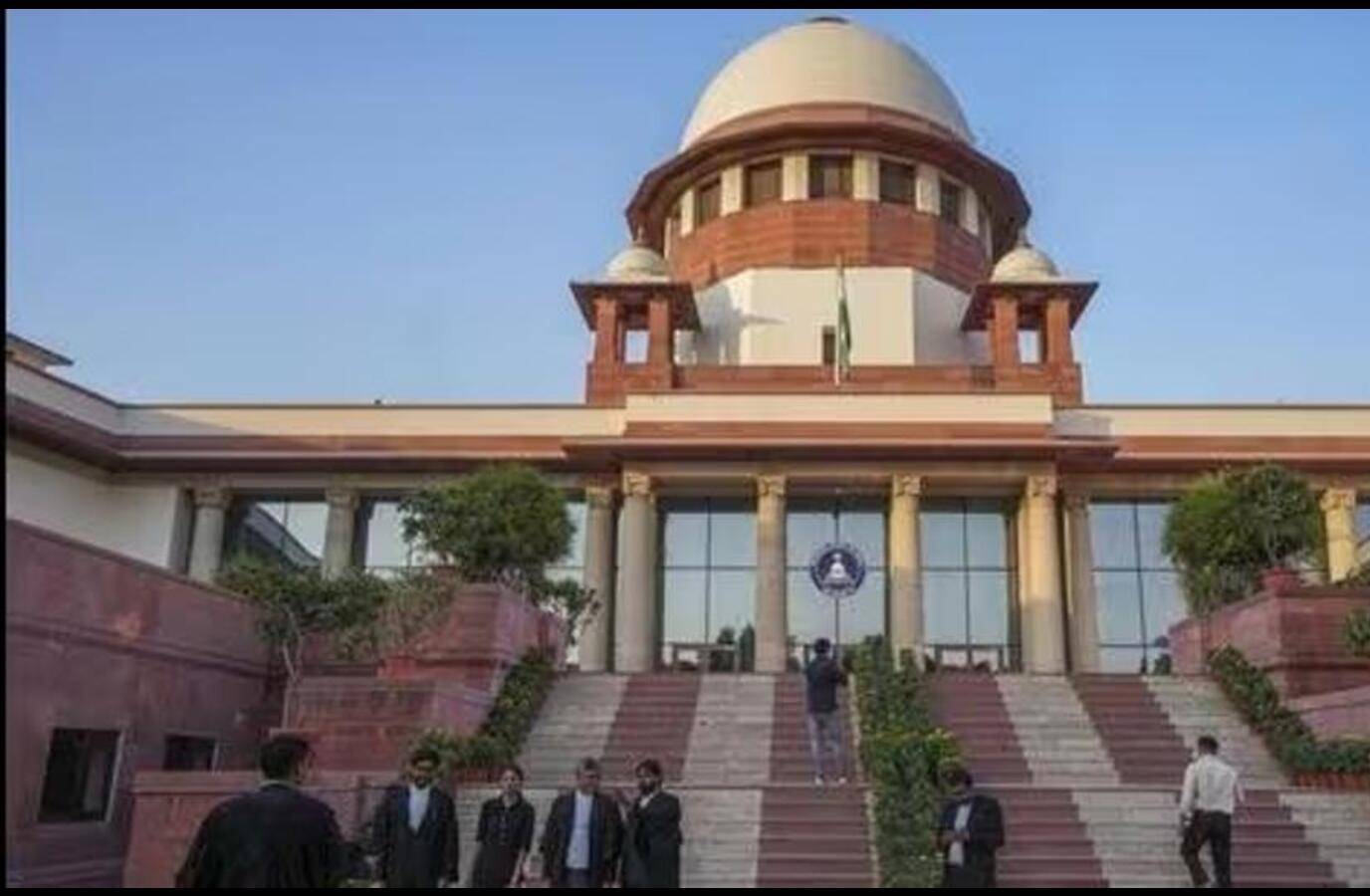
The Supreme Court of India has been drawn into a constitutional debate over the scope of personal liberty under the Unlawful Activities (Prevention) Act (UAPA), after a two-judge bench reaffirmed that "bail is the rule and jail is the exception" even in terrorism-related prosecutions.
The bench granted bail to Jammu & Kashmir resident Syed Iftikhar Andrabi in a narco-terror case, while another bench hearing Delhi riots cases pressed for a resolution of the issue by a larger bench.
The ruling questioned the reasoning adopted by another two-judge bench in January this year while denying bail to former Jawaharlal Nehru University student Umar Khalid and activist Sharjeel Imam in the alleged larger conspiracy case linked to the 2020 northeast Delhi riots.
The unfolding judicial disagreement has revived a foundational constitutional question whether statutory restrictions under anti-terror laws override the constitutional commitment to liberty and speedy trial?