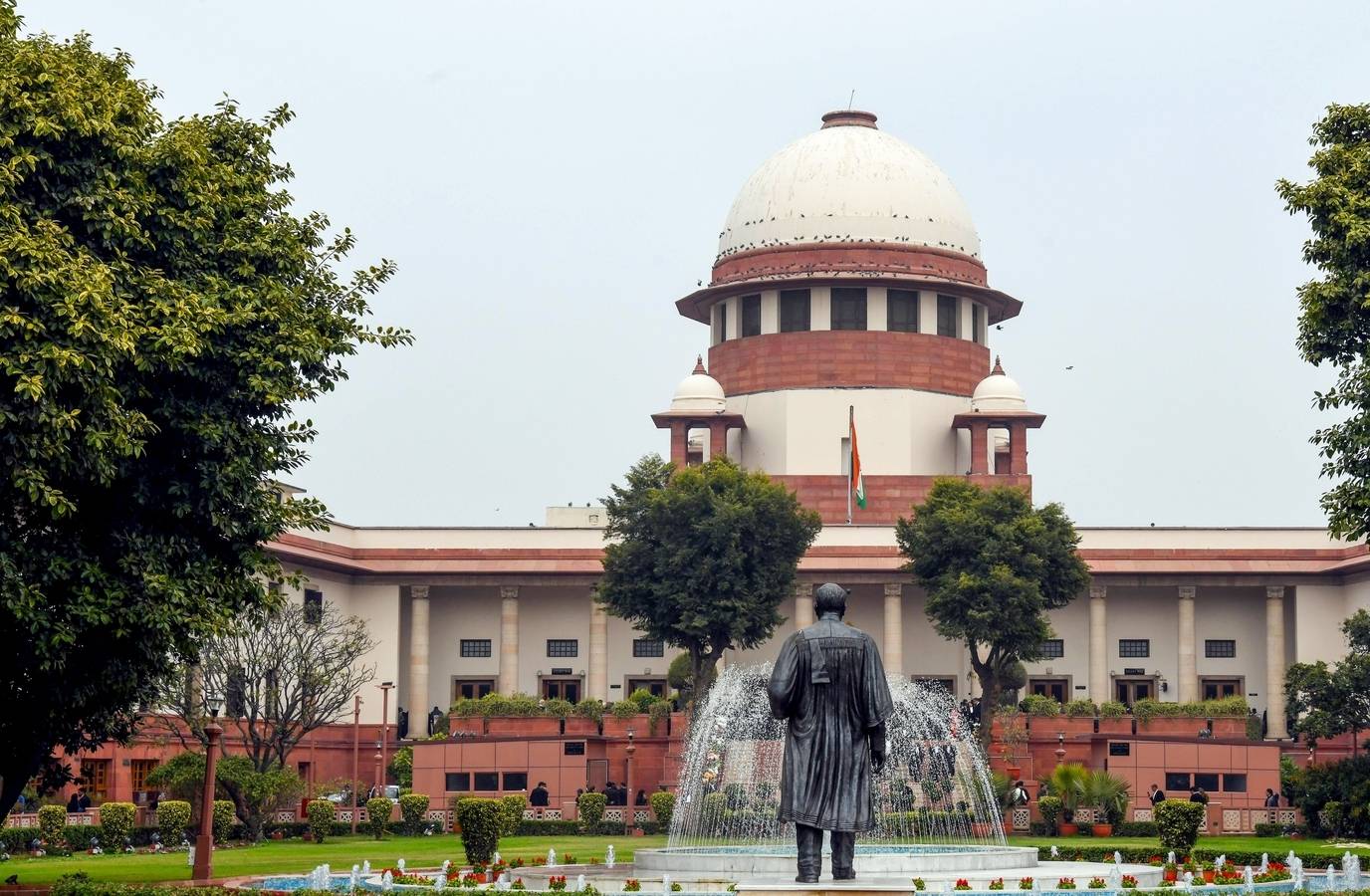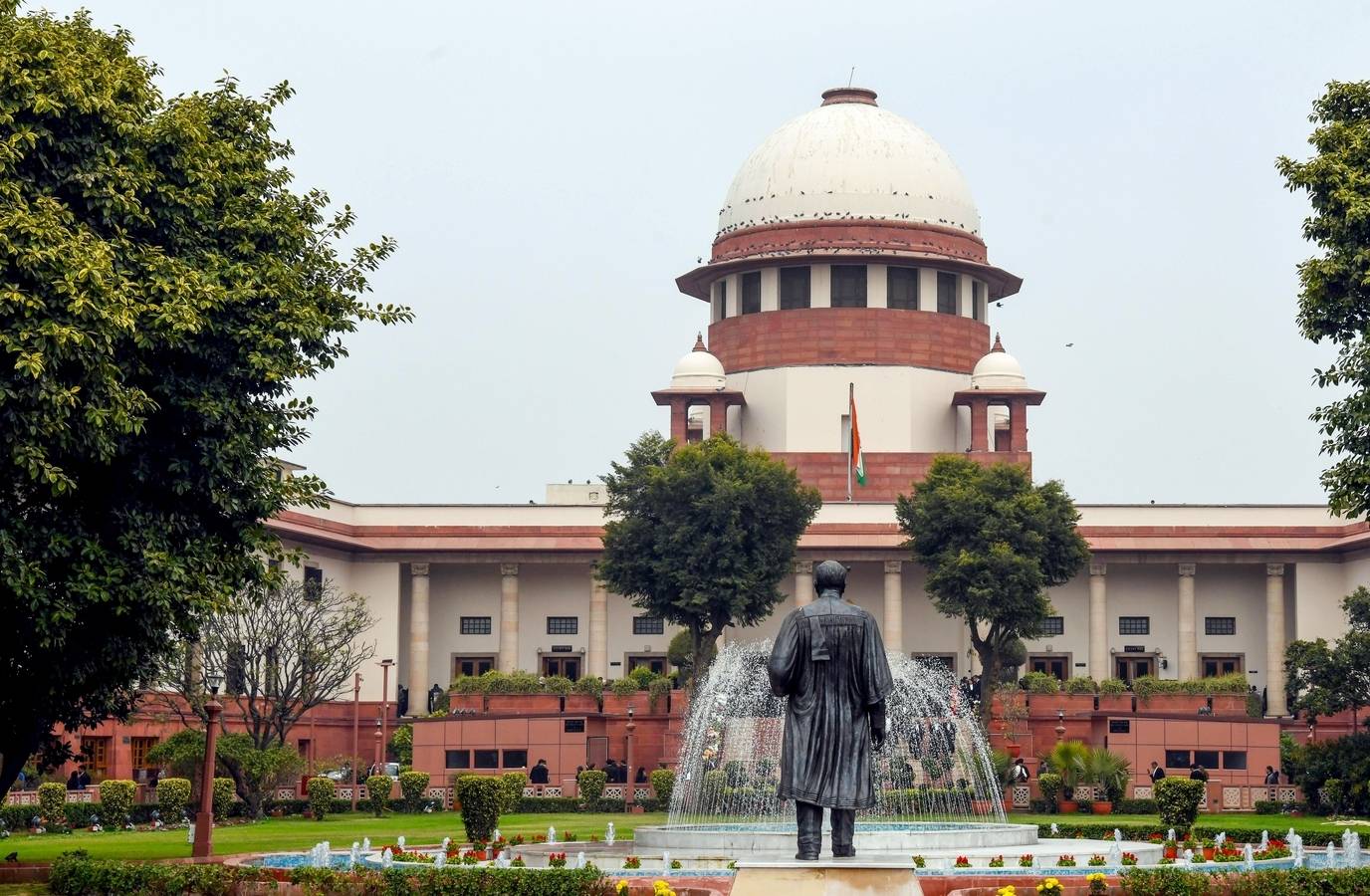
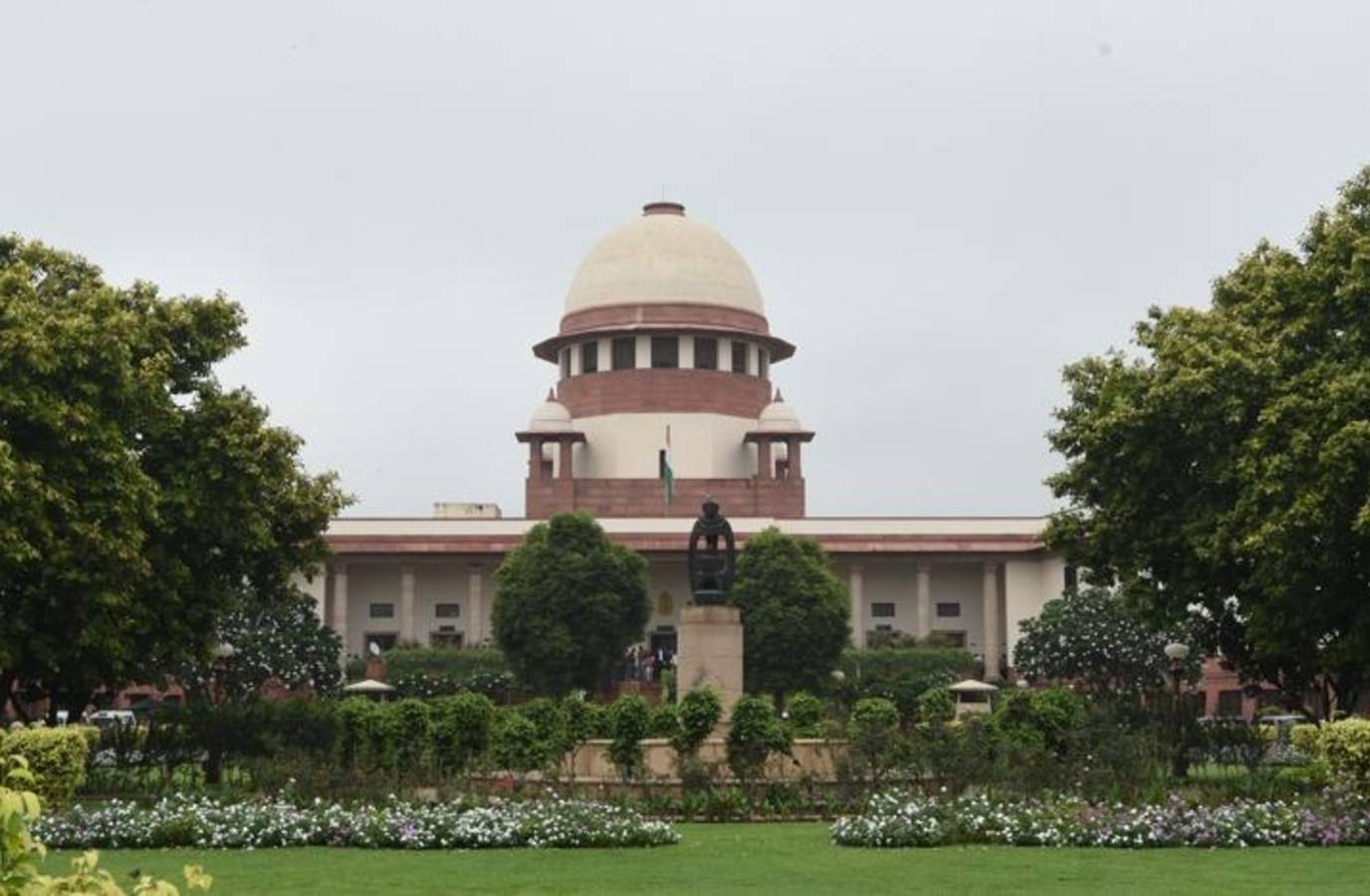
The Supreme Court has ruled that conversion to Christianity and other non-recognized religions results in the loss of scheduled caste (SC) status in India.
The court held that a person who professes a faith other than Hinduism, Sikhism, or Buddhism cannot claim constitutional protections and statutory entitlements available to members of scheduled castes.
The ruling was made in a case where a man, Chinthada Anand, had converted to Christianity and was accused of caste-based atrocities under the Scheduled Castes and Scheduled Tribes (Prevention of Atrocities) Act.
The court upheld an Andhra Pradesh High Court decision to quash the case, ruling that Anand's conversion to Christianity meant he could no longer claim SC status and its associated protections.
The court also laid down a set of principles governing SC status, including the need for unimpeachable evidence of caste membership and the complete disqualification of SC status upon conversion to a non-recognized religion.
The ruling has significant implications for the rights and entitlements of scheduled castes in India.