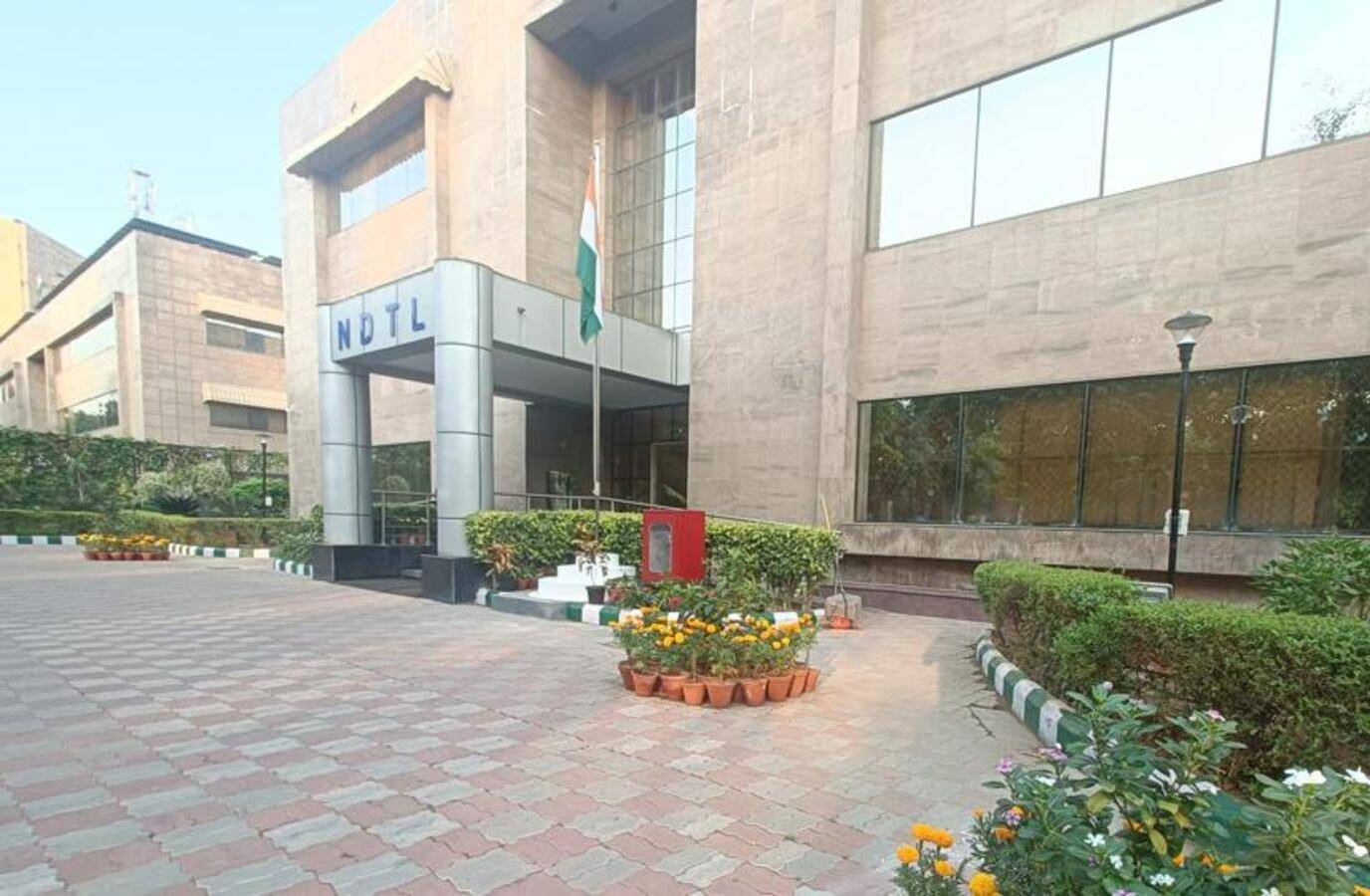
The doping case of quarter-miler Sneha Kolleri has raised questions about the capabilities of India's National Dope Testing Laboratory (NDTL). The AIU conducted a test during the World Athletics Relays in Guangzhou last year, which revealed the presence of stanozolol in her sample. However, the NDTL had failed to detect the same substance in her sample collected in Chandigarh just 10 days before the AIU test.
When the AIU had the Paris lab re-test Sneha's Chandigarh sample, it revealed the presence of stanozolol. If NDTL had detected the substance in the April 30 sample, Sneha could not have made it to the Indian team for the World Athletics Relays, avoiding an international embarrassment.
The case has sparked a debate about whether NDTL needs to upgrade its capabilities with modern equipment and technical knowhow. India has topped the global rankings of doping offenders for the last three years, according to WADA's latest 2025 report.
Officials say upgradation is a continuous process and NDTL has been working on it. Setting up an Athlete Passport Management Unit at NDTL last year was part of these plans. However, the question remains whether NDTL needs to further enhance its capabilities to carry out highly sensitive analysis.