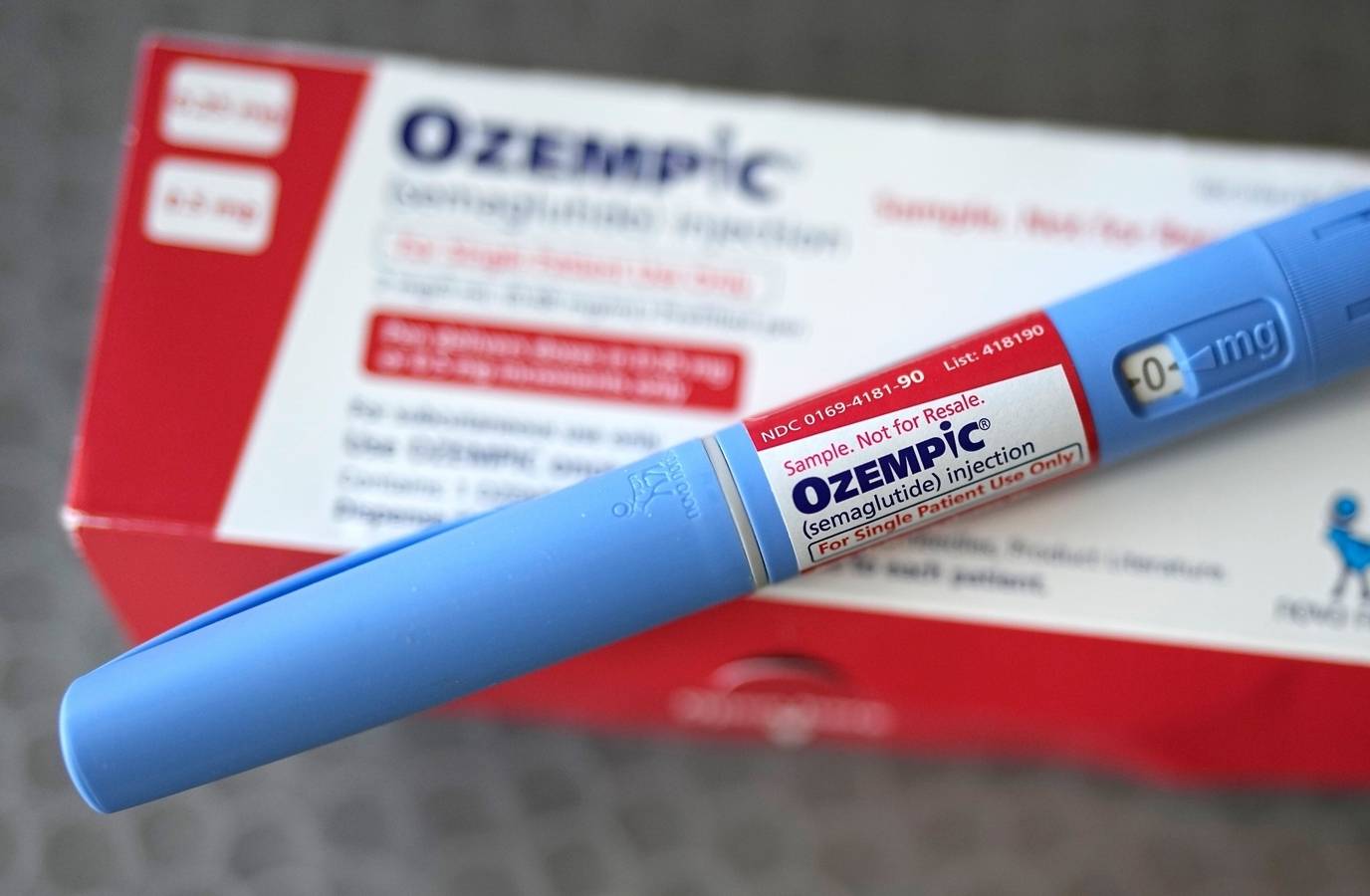
The simultaneous patent expiry of Ozempic's active ingredient in China and India marks a significant moment in the world of healthcare. Affordable generic versions of the revolutionary weight-loss drug will soon be available, bringing a leveling force to the industry.
The entry of generic Ozempic will have far-reaching consequences, not only for the two most populous countries but also for the global market. China and India are not just consumers; they also have pharmaceutical firms capable of exploiting this moment to reshape the market for metabolic therapies.
The benefits of affordable generic Ozempic will be immense, particularly for public health. According to The Lancet, China had 402 million people living with obesity five years ago, a number expected to grow 56% by 2050. India had 180 million individuals with the disease in 2021, with the figure expected to more than double to 450 million in about 25 years.
While Novo Nordisk has slashed the price of Wegovy in anticipation of the patent loss, its offerings are still too expensive for most people. In China, where weight-loss drugs fall outside insurance coverage, price will be the decisive factor in whether millions begin medical treatment.
Switching to generic semaglutide could result in superior glycemic and weight control, reducing the risk of long-term complications. Competition could bring prices down to $50 a month, compared to hundreds of dollars in the West.
China has more than 10 companies developing generic versions, while India is expected to have dozens of options within months. Even if the drugs are a game changer, they're not a silver bullet, and countries need to train health workers to deliver long-term care to support the treatment and invest in prevention by encouraging exercise and proper nutrition.